


EXCLUSIVE: The greening of Morocco’s ports
Greening of Africa’s ports may be slow due to the high investment requirements for effective an effective transitioning, writes Shem Oirere.
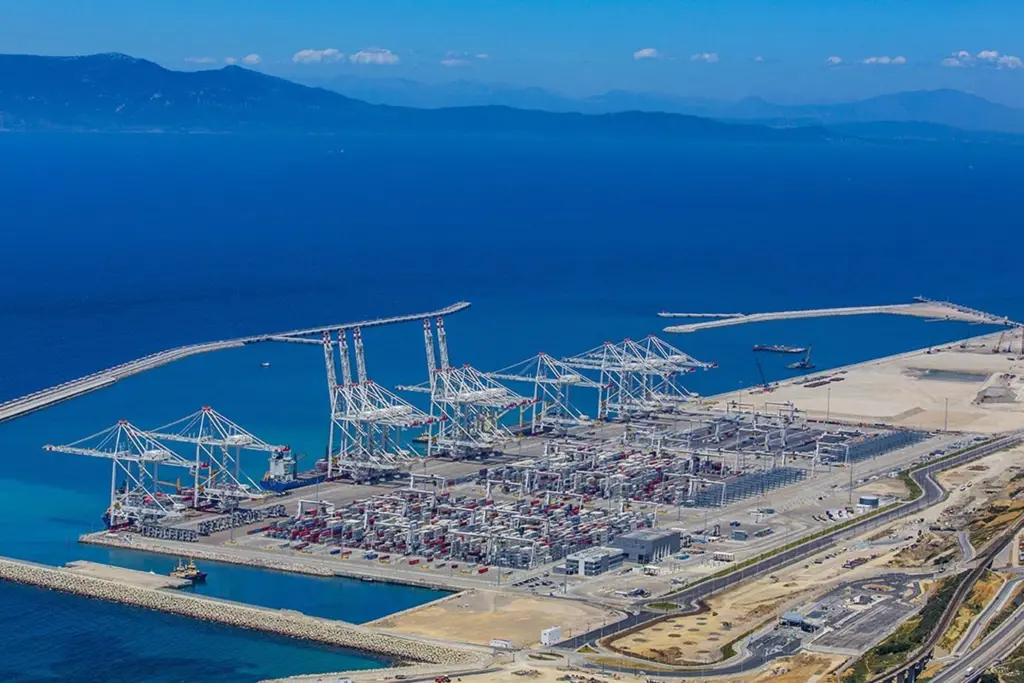
But for Morocco the story could slightly be different as the country has attracted foreign funding and the government enhanced its national budgetary allocation for the modernisation of the ports.
Morocco has embedded the greening of its maritime gateways into its Port Strategy 2030 with the government prioritising the process as a key driver towards a greener economy.
Part of the port strategy includes increasing supply of renewable energy, particularly solar energy for use by ports’ land and sea-based consumers, as well assessing the port’s greenhouse gas emissions.
It also entails coming up with a time-bound roadmap for carbon footprint mitigation as well as clearly spelt out monitoring performance indicators.
Waste management
Some of the specific undertakings in Morocco’s green port programme, are outlined by Safae Lyazidi, Head of Security, Safety, and Sustainable Development in the Directorate of Ports and Maritime Public Domain in Morocco.
They include boosting waste management, disposal and recycling measures, improve port capacity to fight against all kinds of pollution, fast-track the energy transition of ports by supplying ships with alternative fuels, including fuels with low or zero carbon content.
Moreover, Ms Lyazidi says the National Ports Agency (ANP) is attempting to improve the resilience of the ports via pursuing “the ecological transition by promoting green ports and marinas through the electrification of port infrastructures, in particular quays, thus reducing the environmental impact of calls in favour of cruises and container ships.”
Port resilience
Morocco, like many Africa countries with a coastline, is experiencing the impact of climate change that has a direct and indirect effect on sustainability of the ports along the country’s Atlantic and Mediterranean coastline.
The European Bank for Reconstruction and Development (EBRD) is bankrolling a portion of Morocco’s transition to green economy including enhancing the resilience of ports against effects of climate change through the rehabilitation and strengthening of port infrastructure along the country’s Atlantic coast “that are highly exposed and vulnerable to extreme weather and climate change.”
“The rehabilitation and improvement works aim to extend the life of the port structures and improve their resilience to sea level rise and associated extreme weather events,” the bank says in a statement.
Once the project is completed Morocco expects to realise a reduction in “the costs of weather-related damage to port infrastructure assets and weather-related disruption to operations at the ports.”
According to EBRD, these climate resilience outcomes of reduced weather-related damage and disruption costs are expected to deliver significant economic benefit over the economic life of the investments.
EBRD projects Morocco will face the consequences of climate change with long term changes in climate and more frequent extreme events.
It says the North Africa country’s coastline is “particularly vulnerable to sea-level rise and associated climate impacts.”
The level of the sea along the Moroccan coastline is projected to rise by 0.25m by 2050 and by up to 0.6m by 2100 relative to 2015.
Hence making adapting these maritime gateways more resitant to climate change and making building their resilience an imperative.
Green technology
Morocco, through the ANP, the country’s authoritative and regulatory body, has expressed commitment to support global push for maritime decarbonisation by scaling up investment in green technology through public private partnerships.
Morocco’s objective with the green port drive is to achieve by 2030 “the ecological and energy transition of Moroccan ports by reconciling the development of port and maritime activities with the conservation of a healthy and sustainable marine environment.”
Elsewhere, the World Bank is supporting an ongoing study focused on viability of production, storage, supply and export of zero carbon bunker fuel in Morocco ahead of the introduction of the bunkering of ships calling at Moroccan ports with green bunker fuels.
As the deadline for the Port Strategy 2030 draws close, Morocco, which relies on its ports for up to 98% of its external trade, appears to be fully embracing the concept of green ports in its overall port operations and management.
Related Articles
 ENERGY & TECHNOLOGY GREENPORT
 NEWS GREENPORT
 PROJECTS & INITIATIVES GREENPORT