![GreenPort[PortStrategy]](https://www.portstrategy.com/greenport/wp-content/uploads/sites/4/2026/09/GreenPortPortStrategy.svg)

Peninsula funds Gibraltar seagrass restoration
Peninsula is funding a conservation initiative aimed at restoring Gibraltar’s coastal seagrass meadows.
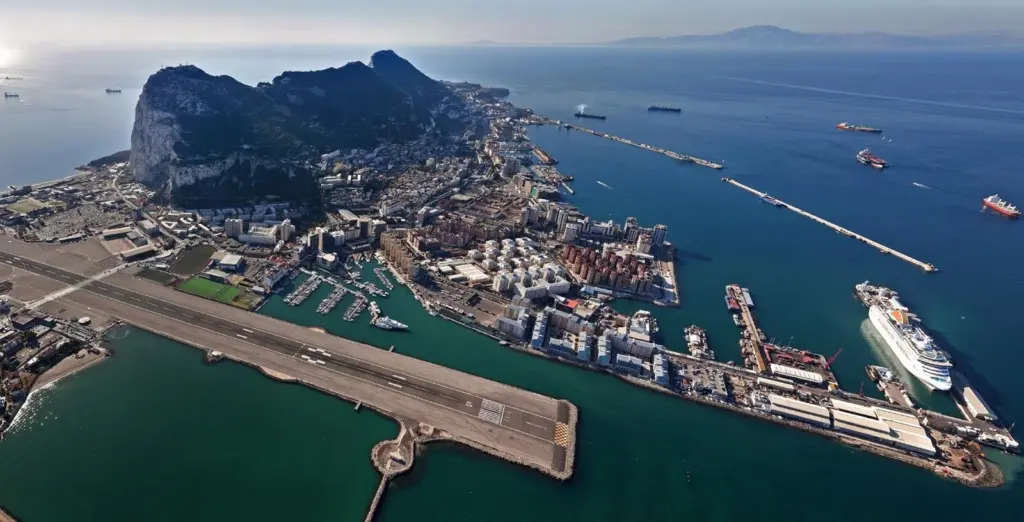
The port operator is the largest marine fuel supplier by volume in the area, having begun supplying bunkers in the Port of Gibraltar in 1996.
Run by The Nautilus Project, the Seagrass Restoration Project aims to restore Gibraltar’s native seagrass meadows, which have been displaced over the last decade, resulting in entire species such as the seahorse, disappearing from the area.
“This is a fantastic opportunity to highlight the importance of seagrass restoration, which is crucial for supporting marine biodiversity,” said Lewis Stagnetto, founder and marine biologist at The Nautilus Project.
“This is an international issue and our hope is that this initial project will serve as a model that can eventually be adapted and implemented in various regions around the world.”
The seagrass is grown under optimal conditions in dedicated nurseries before being transplanted into seagrass beds where it provides habitat for threatened species as well as acting as a natural carbon sink. Early estimates suggest the project could sequester over two tonnes of carbon annually.
The Port of Gibraltar and Peninsula are at the forefront of sustainability initiatives with both joining the ITN’s ‘Navigating the Future of Shipping’ programme, which aims to address challenges facing global shipping such as climate change, whilst exploring new opportunities for sustainable growth.
The port’s chief executive and captain, John Ghio, was recently appointed to the International Bunker Industry Association’s newly formed European Regional Board, placing Gibraltar at the heart of discussions on marine fuel sustainability.
Related Articles
 ALTERNATIVE FUELS GREENPORT
 ENERGY & TECHNOLOGY GREENPORT
 PROJECTS & INITIATIVES GREENPORT