




Powering ferries with shore-supplied green electricity
Hot on the heels of launching its marine electrification consultancy, Marine Zero is now taking the lead in the decarbonisation project for the world’s busiest chain ferry.
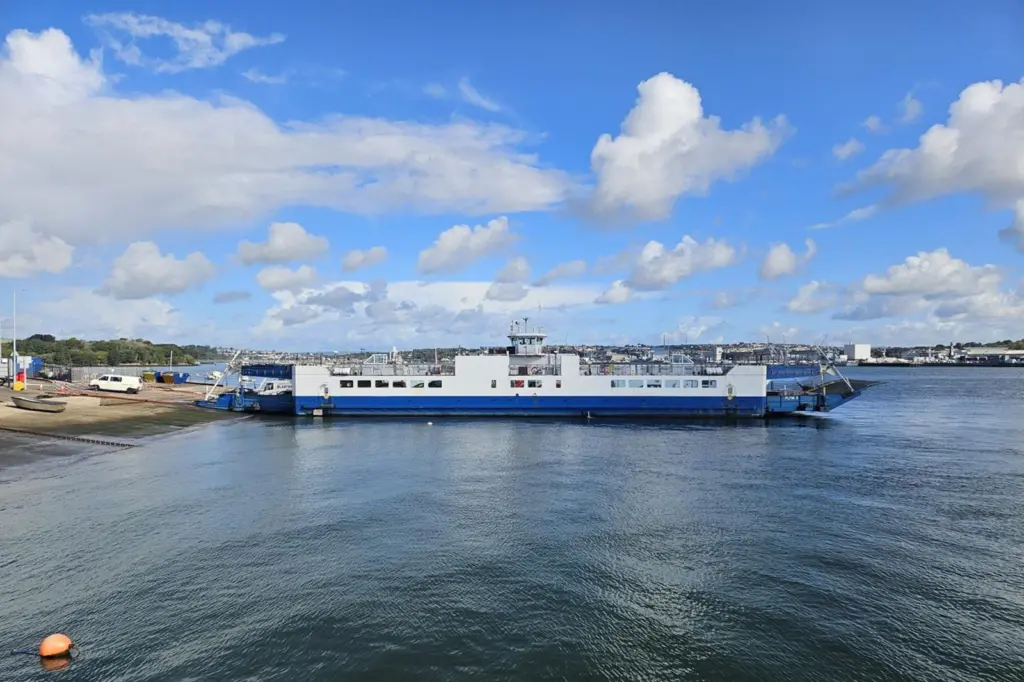
The Torpoint “Bridge to Zero” project in the UK will deliver a fully costed, engineering-ready plan to transition the Torpoint Ferry service from fossil fuel power to 100% shore-supplied green electricity.
“With Torpoint, we’re proving that even the most demanding 24/7 maritime operations can transition to zero emissions,” said Tim Munn, managing director at Marine Zero.
”Our goal is to create solutions that are not just technically feasible, but financially viable and scalable – safeguarding a vital regional service whilst setting a global example for short sea shipping.”
Technically challenging
Operating 24 hours a day, 365 days a year and in all weather conditions, Torpoint is the world’s busiest chain ferry service by daily crossings and passenger volumes, carrying over 3 million vehicles and 400,000 pedestrians annually across the River Tamar between Torpoint (Cornwall) and Devonport (Plymouth).
The service is operated by Tamar Crossings, which is jointly owned by Cornwall Council and Plymouth City Council.
Its unique chain propulsion system, tidal river environment, and rapid embarkation / disembarkation schedule make full decarbonisation technically challenging – but also highly relevant for other short-sea vessels in the UK and worldwide.
The Bridge to Zero project could ultimately reduce the CO₂ emissions of the three Torpoint ferries by up to 1000 tonnes per annum. This would provide a blueprint to decarbonise the entire fleet and inform the next generation of vessels due in 2034.
It’s project which is funded by the UK Government’s Department for Transport through the UK Shipping Office for Reducing Emissions (UK SHORE) Clean Maritime Demonstration Competition (CMDC).
Project partners include Marine Zero, which is taking control of project leadership, charging solutions. and CAPEX/OPEX modelling.
Torpoint Ferries (Tamar Crossings) will handle operational expertise and vessel access and the University of Plymouth will handle performance data collection and analysis.
Related Articles
 ENERGY & TECHNOLOGY GREENPORT
 NEWS GREENPORT
 PROJECTS & INITIATIVES GREENPORT