![GreenPort[PortStrategy]](https://www.portstrategy.com/greenport/wp-content/uploads/sites/4/2026/09/GreenPortPortStrategy.svg)
Recycling dredged sediment to restore saltmarsh habitats
The UK’s Harwich Haven Authority (HHA) has launched a major habitat restoration scheme using port dredging sediment to rebuild 76.5 hectares of saltmarsh at Copperas Bay.
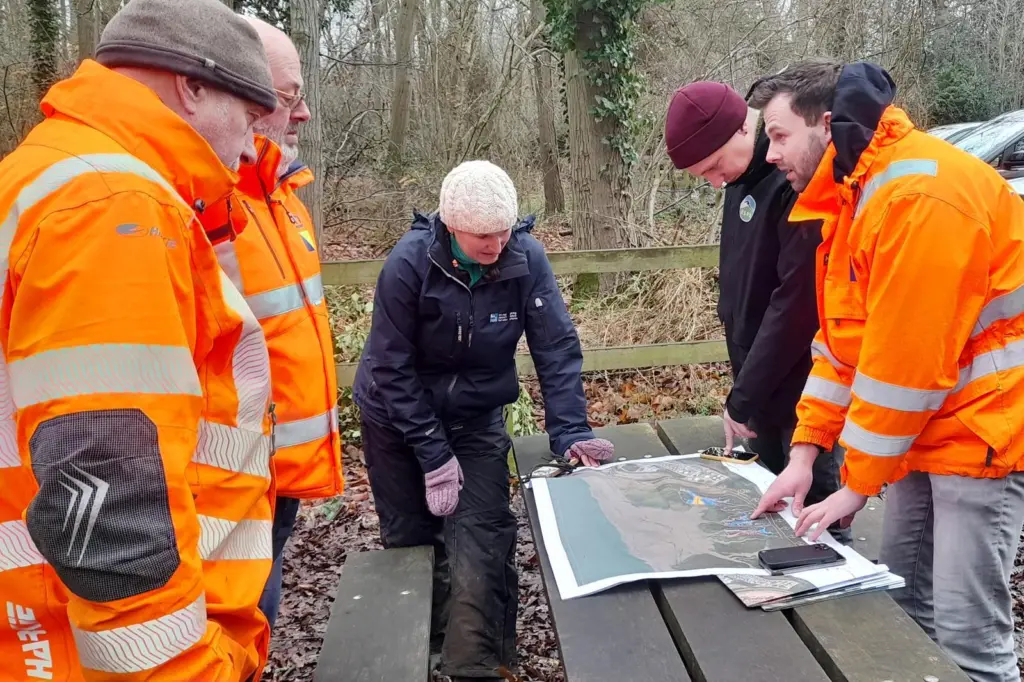
The Beneficial Use of Dredged Sediment (BUDS) project will see the port authority reuse material removed during routine navigational dredging to restore eroded saltmarsh at the RSPB Stour Estuary reserve.
“This project will safeguard the Haven’s vital navigation channel while turning routine dredging into a nature-positive opportunity,” said Jim Warner, harbour engineer at Harwich Haven Authority.
“Maintaining the Haven’s navigation channel is essential to the national economy and supports thousands of local jobs, whilst ensuring the smooth operation of one of the UK’s busiest ports.”
“Through the BUDS initiative, we’re able to reuse the sediment from this work to help restore and protect the Haven’s vulnerable saltmarsh. This approach delivers long-term benefits for both local communities and the wildlife that depends on these coastal habitats.”
Circular economy
Rather than disposing of dredged material at sea, sediment removed from Copperas Bay will be pumped behind temporary bunds and coir rolls to stabilise shorelines and accelerate habitat restoration.
Saltmarsh loss driven by sea-level rise and land-use change has increased pressure on estuarine ecosystems.
By restoring regularly inundated intertidal zones, the project aims to support biodiversity, including salt-tolerant flora and overwintering wading birds, while enhancing natural flood defence.
Researchers from the University of Essex will monitor ecological recovery, assessing vegetation regrowth and sediment dynamics.
This collaboration between port authority, conservation bodies and academia positions BUDS as a replicable model for integrating port dredging with large-scale habitat restoration and long-term coastal resilience.
The programme will involve pumping of sediment by dredging contractor Boskalis Westminster, while Amicus Civil Engineering will install the temporary bunds and placement of coir rolls to keep sediment in place.
Works are scheduled between 20 February and 20 March 2026.
Related Articles
 ALTERNATIVE FUELS GREENPORT
 ENERGY & TECHNOLOGY GREENPORT
 PROJECTS & INITIATIVES GREENPORT