





Slashing carbon footprint
A Spanish terminal has revealed a plan to help half their customers’ carbon footprint.
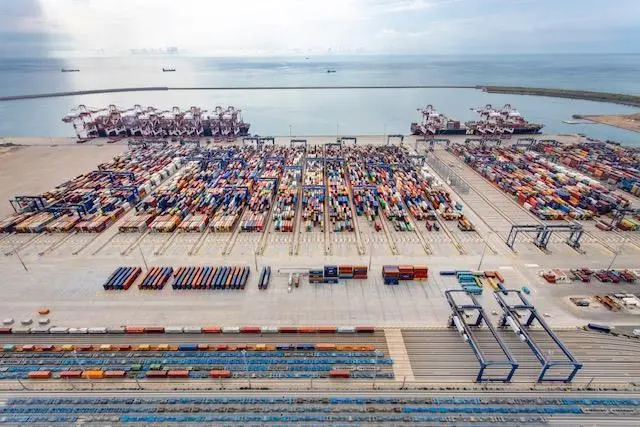
In its new sustainability plan, Barcelona’s Hutchison Ports BEST terminal said that the use of electrical equipment and automation helps cut CO2 emissions in half owing to high productivity, which it said is around 50% faster than average.
“The fight against climate change is a challenge that we all face as a society. At Hutchison Ports BEST we are convinced that we must work together to improve the planet´s sustainability,” said Guillermo Belcastro, CEO of Hutchison Ports BEST.
”Choosing to have one’s cargo pass through BEST has direct positive consequences on the planet because it reduces 50% of direct CO2 emissions.”
Embracing change
Furthermore, Mr Belcastro said that the digitisation of a large part of BEST’s processes through a 100% digital and automatic gate system reduces waiting times and emissions.
Transport by rail is another pillar of BEST’s sustainability strategy. The container terminal develops and operates inland rail terminals that enable energy transition. In this respect, rail movements carried out at BEST last year saved 20,471 tonnes of CO2 emissions.
Another essential element in the reduction of emissions is the installation of the largest network of electrical connection points for reefer containers (with more than 2,500 points).
BEST is working with the Barcelona Port Authority (APB) to have the first electrified quay in southern Europe for connecting ships in port by 2023. It will do this through a firm commitment to the use of renewable energies, which also includes the use of solar panels.
In addition, BEST actively participates in the worldwide campaign promoted by the Hutchison Ports group GO GREEN initiative with activities such as the planting of aquatic vegetation for the benefit of the Llobregat Delta area.
BEST’s sustainability plan complies with 12 of the Sustainable Development Goals of the United Nations 2030 Agenda and is endorsed by different environmental quality certificates such as ISO 14001 and compliance with the Port of Barcelona’s Guide to Good Environmental Practices.
Related Articles
 ENERGY & TECHNOLOGY GREENPORT
 NEWS GREENPORT
 PROJECTS & INITIATIVES GREENPORT