![GreenPort[PortStrategy]](https://www.portstrategy.com/greenport/wp-content/uploads/sites/4/2026/09/GreenPortPortStrategy.svg)
UK freeports team up on green freight corridor
Freeport East and East Midlands Freeport are teaming up on the creation of a green freight corridor to help decarbonise one of the UK’s key transport routes.
The deal will see the two working together to drive decarbonisation through the use of green hydrogen, electric charging systems and technologies such as digital twins.
“This exciting initiative illustrates how freeports can be forerunners in the decarbonisation of transport and industry,” said Tom Newman-Taylor, chief executive of East Midlands Freeport.
“With large-scale clean energy investments we can drive demand and opportunities for greener logistics, using our central location to deliver widespread change.”
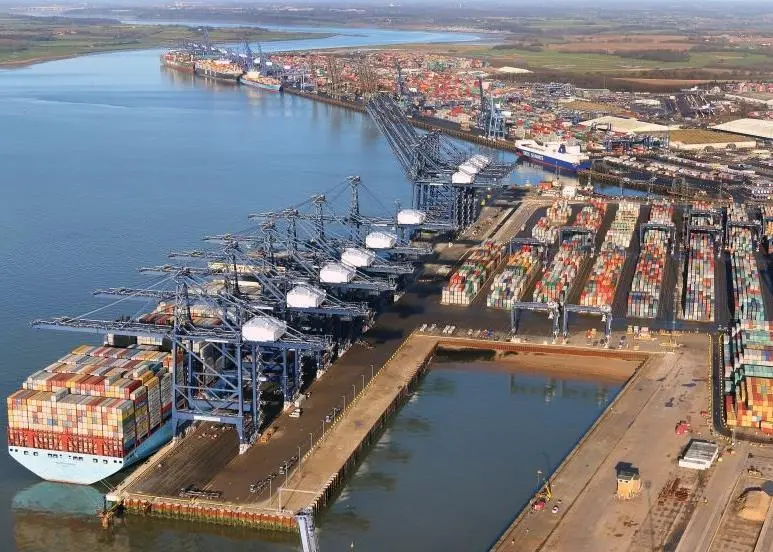
Every day, more than 5,000 trucks and daily freight trains leave the ports in the Freeport East area, of which the majority head towards the Midlands and onwards to others part of the UK.
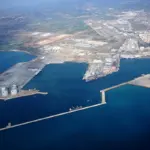
The largest of these ports, Felixstowe, is the main gateway to the UK from the Far East and a range of global destinations.
“Our green corridor initiative reflects the commitment of our freeports and industry partners to deliver more sustainable and decarbonised transportation,” said Steve Beel, chief executive of Freeport East.
“For goods travelling into and out of the UK, to destinations ranging from Europe, to the Far East and the rest of the world, this will facilitate greener logistics through the Ports of Felixstowe, Ipswich and Harwich to the heart of the UK economy and beyond.”
Projects are already underway to develop the necessary logistics infrastructure in Felixstowe, Stowmarket and East Midlands Gateway. Freeport East is also developing a green hydrogen hub while East Midlands Freeport is supporting the transition of the UK’s last coal fired power station at Ratcliffe on Soar to a clean energy production hub.
Related Articles
 ALTERNATIVE FUELS GREENPORT
 ENERGY & TECHNOLOGY GREENPORT
 PROJECTS & INITIATIVES GREENPORT