





WATCH: Saving CO2 emissions by working together
Since its launch in 2022, the Portchain berth alignment network has helped ocean carriers save 800k metric tonnes of CO₂ emissions.
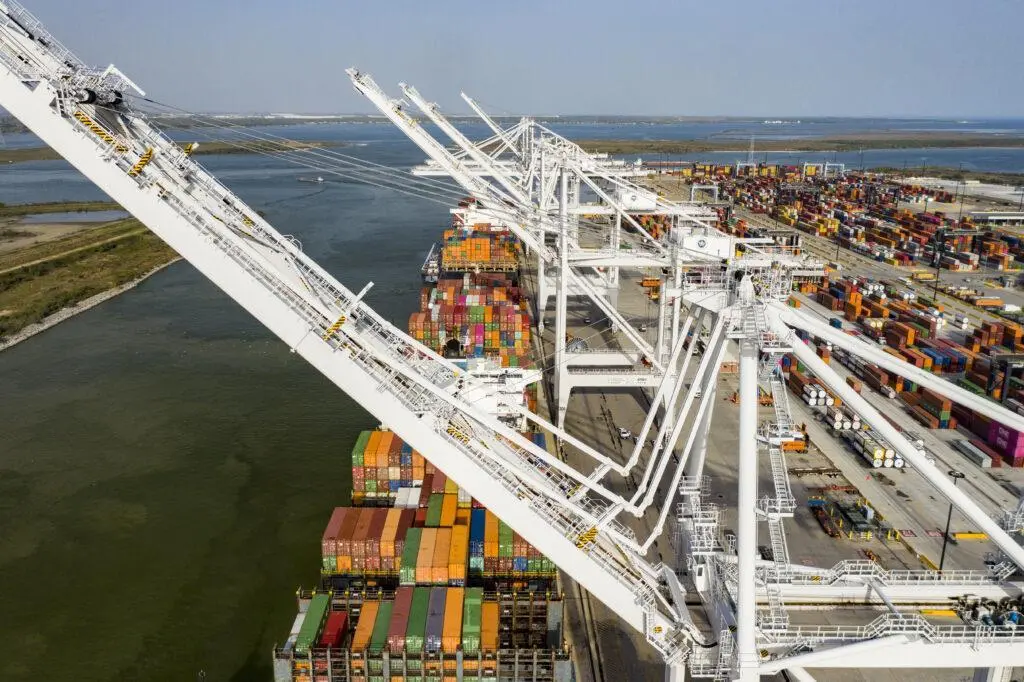
This milestone reflects the cumulative impact of Just-in-Time port calls, digital berth alignment, and the collaboration of member companies, which have coordinated more than 30,000 port calls through Portchain’s platform.
“Our mission is to cut 0.5% of global emissions by driving Just-In-Time port calls across the shipping industry. Achieving this goal requires scale, collaboration, and digitalisation, and we believe the full potential of these digital solutions is still ahead of us,” said Niels Kristiansen, CEO and co-founder of Portchain.
”As more carriers and terminals join the Portchain Network, the opportunities for greater efficiency and sustainability will continue to expand.”
Significant progress
The Portchain Network is a global data sharing platform linking mainliners, feeders and terminals together to collaborate through Portchain Connect to improve berth alignment, share standardised data and enable Just-In-Time (JIT) port calls at scale.
Portchain said that cumulatively, the reduction in emissions that the network has achieved is equivalent to removing 654,922 gasoline-powered cars from the road for a year, operating 239 wind turbines for one year, or planting over 13 million trees and growing them for ten years.
While this progress is significant, it represents just one step in an ongoing journey where efficiency, financial goals and sustainability go hand in hand.
Data from the IMO reveals that allowing vessels to optimise speed during their voyage and arrive at port at the aligned time, a JIT port call can cut fuel consumption and CO₂ emissions by 5.9% when carrier and port align 24 hours before arrival and up to 14% when alignment happens before departure from the previous port.
Within the Portchain Network, carriers and terminals have already demonstrated fuel savings of up to 9%, with an average saving of 2 to 4%, highlighting the practical benefits of collaboration and digitalisation.
Related Articles
 ENERGY & TECHNOLOGY GREENPORT
 NEWS GREENPORT
 PROJECTS & INITIATIVES GREENPORT