![GreenPort[PortStrategy]](https://www.portstrategy.com/greenport/wp-content/uploads/sites/4/2026/09/GreenPortPortStrategy.svg)

CentrePort Goes Electric
CentrePort, the port gateway for New Zealand’s capital city Wellington, is to become the first in the country to go 100% electric with its on-port container transfer vehicles.
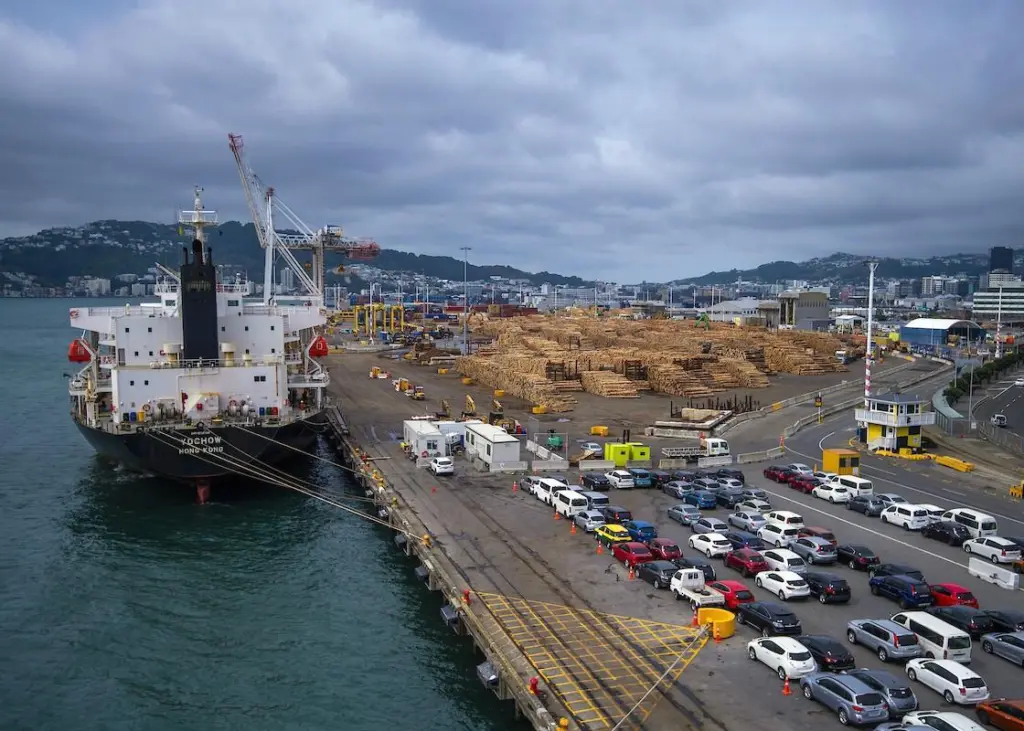
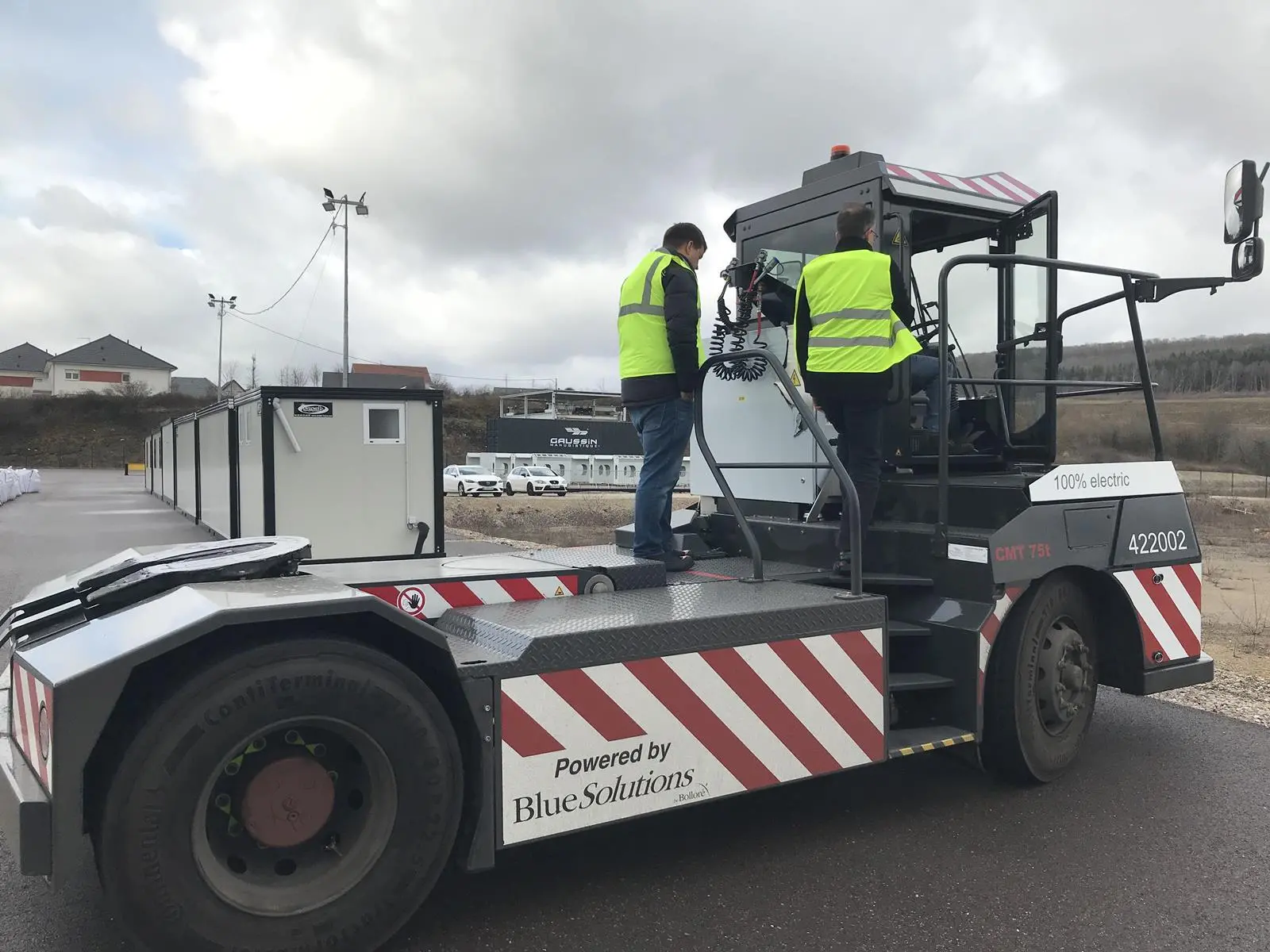
A contract has been signed with French company Gaussin to supply seven electric tractor vehicles (and accompanying trailers) which are due to arrive in late May and be operational by July.
The electric tractors and trailers will replace the current system of diesel straddles and tractors. The inbound container transfer system will in future work with the quay cranes loading containers directly onto the new trailers, which will then be moved by the electric tractors for unloading on to the terminal.
For outgoing cargo, the EV tractors will position the trailers for the containers to be lifted by crane on to the vessel.
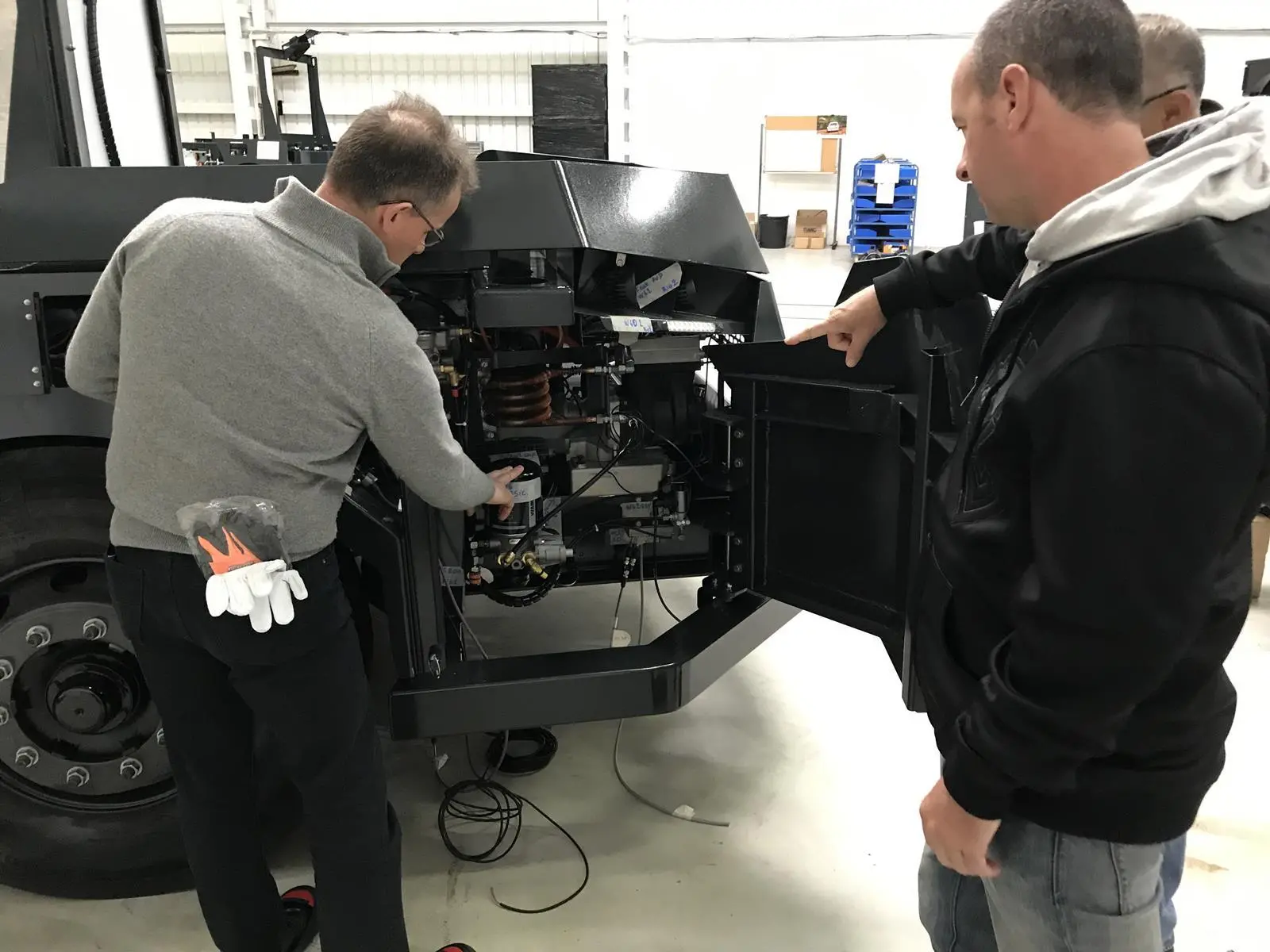
The Gaussin Automotive Prime Mover (APM) 75T has a towing capacity of 75 tonnes and measures 5.9 metres in length, 2.55m in width and 3.55m in height. It has a maximum speed of 35 km/h (24 km/h when fully loaded) and is equipped with a solid-state lithium metal polymer battery with an eight-year life cycle.
The battery is produced by Blue Solutions and is insensitive to temperature variations from minus 20 to 160°C. It has the capability to last for 12 hours when pulling full loads and can be swapped out for a fully-charged battery without affecting operation.
Gaussin says the electric APM allows very high Operational Expenditure (OPEX) savings in maintenance and energy, zero emission and noise pollution, combined with an increase in productivity, safety and driving comfort.
Reducing emissions
Going electric is a key component of CentrePort’s drive to reduce emissions, with the replacement of the diesel-powered transfer vehicles reducing its’s carbon footprint by approximately 250 tonnes per year.
CentrePort’s Logistics General Manager Mark Thompson says sustainability is a key principle of the port’s regeneration and going electric makes environmental and business sense.
“The new vehicles will also improve the efficiency of our container movement system leading to further carbon reductions. There are cost benefits as well with reduced maintenance expenditure required for the electric vehicles,” Mr Thompson says.
CentrePort chose Gaussin to provide the tractors due to the French company’s proven track record in innovative electric and hydrogen-powered logistics vehicles.
“This is proven technology, with these electric vehicles operating in ports in the Middle East and Africa. The batteries can be swapped out. They have a 12-hour capability pulling full loads and spare batteries will be on charge ready to swap in for uninterrupted operation,” says Mr Thompson.
“CentrePort currently moves approximately 100,000 teu containers per annum and those volumes are forecast to grow as we support Kiwi businesses exporting and importing cargo. This move helps make the logistics supply chain more environmentally friendly and efficient,” he says.
Carbon Act
The port’s decision has been supported by its principal shareholder, the Greater Wellington Regional Council. Chair Daran Ponter says that it’s great to see CentrePort adopting electric technology in its day-to-day operations.
The new electric fleet is part of a range of initiatives by CentrePort to reduce carbon emissions including its rail initiatives (in partnership with Government-owned KiwiRail), which move containers and logs off trucks and on to freight trains for delivery to the port and the company’s waste minimisation programme.
The initiatives align with the Zero Carbon Act passed by the New Zealand Parliament in 2019 which is aimed at reducing the country’s greenhouse gas emissions to a near-neutral level by 2050.
Gaussin is an engineering company that designs, assembles and sells innovative products and services in the transport and logistics field, including passenger transport, autonomous technologies for self-driving solutions such as automated-guided vehicles, and the integration of all types of batteries, particularly electric and hydrogen fuel cells. It has supplied more than 50,000 vehicles worldwide,
The company has formed strategic partnerships with major global players in order to accelerate its market penetration, such as Siemens Logistics in the airport field, Bolloré Ports and ST Engineering in ports and Bluebus for people mobility.
Related Articles
 AUSTRALASIA GREENPORT
 ENERGY & TECHNOLOGY GREENPORT
 EQUIPMENT