![GreenPort[PortStrategy]](https://www.portstrategy.com/greenport/wp-content/uploads/sites/4/2026/09/GreenPortPortStrategy.svg)


Ports warn of waste tax impact
An incoming waterways waste tax could derail port development by adding tens of millions of pounds to project costs, UK port and river authorities warn.
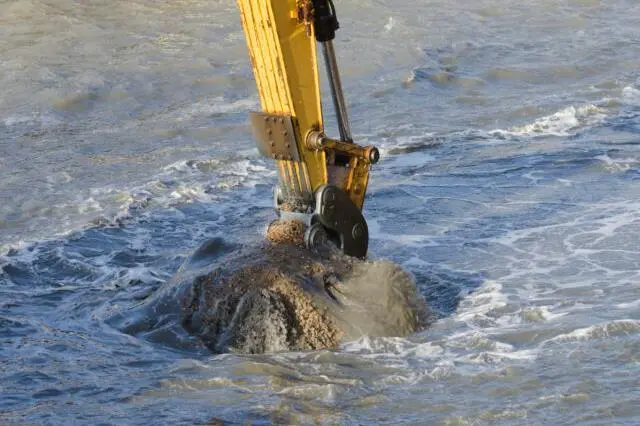
The British Ports Association (BPA) has cautioned ministers that plans to remove a landfill tax exemption from April 2027 risks making vital port development and infrastructure projects unviable.
“This change to landfill tax, which was buried alongside the Budget, seriously undermines the Government’s growth plans,” said Richard Ballantyne, chief executive, BPA.
”Major port and waterways projects are planned, but they will have to be delayed, scrapped or reviewed because of the additional financial burden. Ministers need to act fast and ditch this tax before it damages their plans for growth and building the renewable energy industry in port regions.”
A stark warning
Writing to the Exchequer Secretary to the Treasury on 18 January 2026, the BPA said the change would significantly increase costs linked to port waste management and the safe disposal of dredged sediment, a core activity for managing port pollution and maintaining waterways essential to economic growth.
In his letter, BPA chief executive Richard Ballantyne warned: “Alongside our partners in the rivers, canals and waste management sectors… we are writing to express our alarm at imminent changes to a landfill tax exemption that will have a minimal impact on the Exchequer but will have grave consequences for investment in several important ports.”
The Treasury proposal he said would remove a key exemption that supports the use of stabilisers in treating contaminated dredgings.
This in turn could add tens of millions of pounds to major developments, undermining port development linked to green energy, flood protection and industrial regeneration in port regions.
Mr Ballantyne’s letter also warned of wider economic consequences, including delays to net zero projects and the potential loss of tens of thousands of jobs, particularly in the North-east.
He urged ministers to act swiftly to prevent damage to ports, waterways and renewable energy investment.
Related Articles
 PRODUCTS & SERVICES GREENPORT
 EUROPE GREENPORT
 REGULATION & POLICY GREENPORT