




Balancing public with private
COMMENT: Associated British Ports, the leading UK port developer and operator, announced a masterplan through to 2035 for one of its ports, Newport in Wales, writes Peter de Langen.
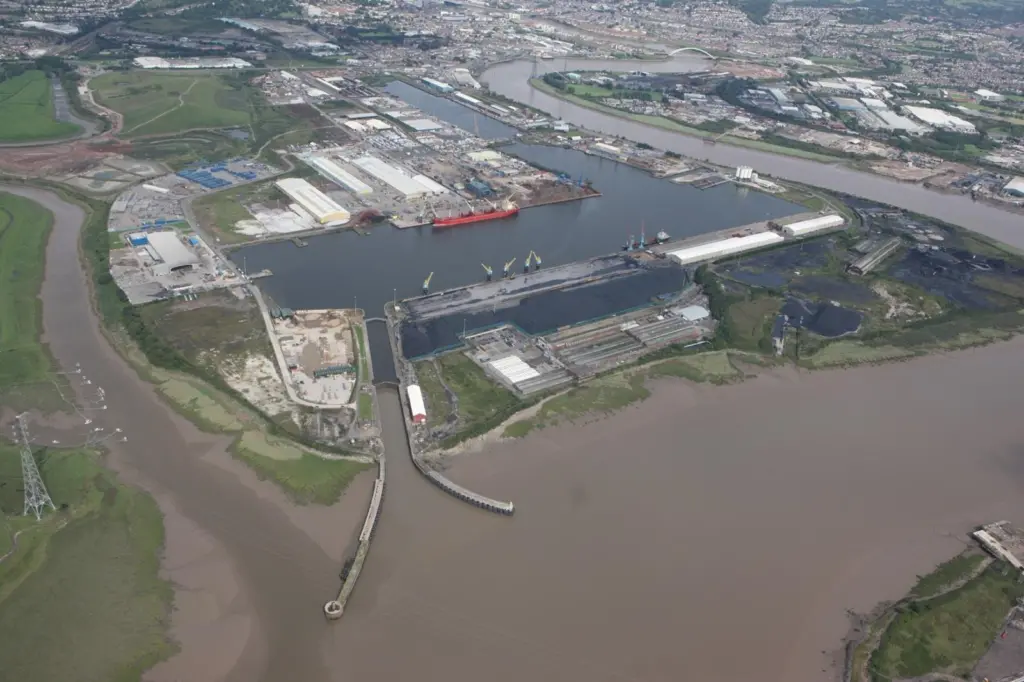
Newport is a port complex of about 250 hectares with mainly dry bulk and breakbulk commodities and processing/value adding companies that handled less than 2m tonnes in 2014, more than half of which was metals.
This masterplan makes for an interesting comparison with the masterplans of the government-owned port authorities in continental Europe as such a comparison pits the port development approach of ABP as a private port development company against government-owned counterparts.
The masterplan has the same ingredients as the ones in continental Europe: a description of the port, an overview of past developments and volumes, a market analysis and forecast of future volumes (ABP expects an annual growth of around 3.5% until 2035), and an assessment of the impact of port activities.
The core difference, however, relates to investments in port infrastructure. Consider two statements. Firstly, “ABP may consider the construction of two further berths with deep sea capabilities (…). In a commercial context, such a development could not be taken forward on an anticipatory or speculative basis (…). Investment in new quayside is extremely expensive and would certainly require external investment in terms of third party funding.”
Secondly, “In the context of increasing vessel size, ABP may also consider investing in a new larger entrance lock (…). An infrastructure project of this scale would also only be undertaken if third party funding were available to make it viable.”
In these statements it is unclear who the ‘third parties’ would be. For the lock, the only option surely seems to be a government entity. That is also my interpretation for investments in additional berths. While in principle a user could pay for that, that would seem to be a commercially strange arrangement.
This commercial approach is understandable and has the benefit that it prevents overinvestment in facilities that do not create value (for users and society). However, the statements also raise questions: is a claim for third party funding legitimate in an environment with private port development initiative? And if so, how are governments supposed to make informed choices about public funding?
Related Articles
 THE ANALYST
 THE ANALYST