



Baby steps on energy strategies
All the leading ports groups seem to have got the message that they need to manage energy consumption on sustainability principles, but action is still in its infancy.
Some enterprises are still at the stage of identifying exactly how power is being used, and how systems could be rationalised. An event recently in Buenos Aires welcomed Prof Jens Froese of Jacobs University, Bremen, to address the issue.
The maritime logistics specialist is a co-ordinator of the €3.2m, majority European Commission-funded, Green Efforts research project into how energy balance can be improved in ports without restraining productivity. The project is backed by ports including Los Angeles, Singapore, Bremen and Bremerhaven, all learning from each other.
Despite this collaboration, and Prof Froese’s praise for the response at Buenos Aires container terminals, there inevitably continues to be a piecemeal approach.
It is not too surprising when port managements approach this subject gingerly. They are right to be cautious. Many are being advised by insurance brokers that transforming their power arrangements is not without risk. Proposed changes may well involve and be combined with reconfigurations of port facilities, or changes of land use, which could bring new exposures.
New policies on powering ports and ships are also subject to wider considerations. The consultancy Carbon Positive, which wants to see measured and measurable change, warned last year that financial institutions consider environmental corporate social responsibility an essential element of assessing maritime investments.
What practitioners from the insurance market must be encouraged to contribute are their skills of risk assessment and risk management. This should enable ports and terminals to draw with greater confidence their roadmaps ahead.
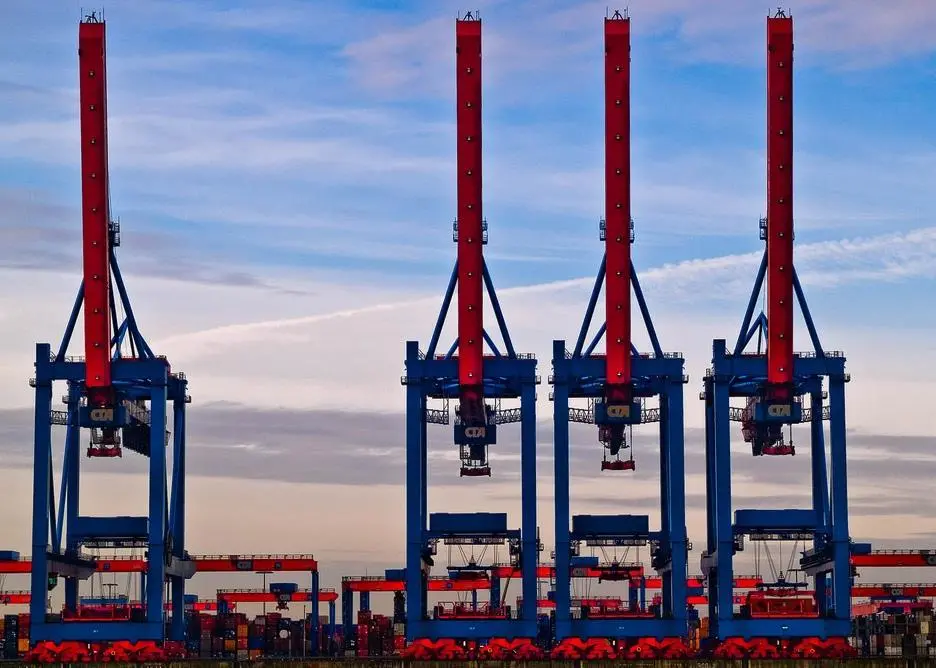
Prof Froese cited the green stategy of CTA Hamburg terminal as an example worth following. Singapore is already building a new terminal based on the German operator’s recommendations. Ports would take different approaches, but there were opportunities everywhere to improve the energy supply/demand balance and to reduce consumption.
Related Articles
 THE INSURER
 THE INSURER
 THE INSURER