


In preparing its port expansion strategy, the Port of Hastings has defined its task to deliver a vision “to Secure a Sustainable Future; for the region .
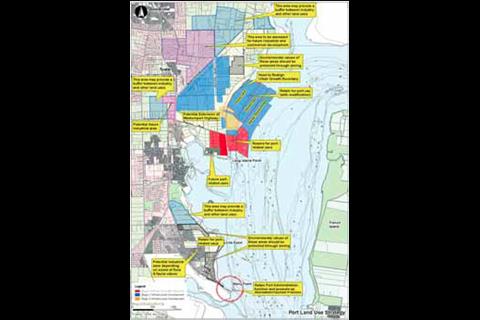
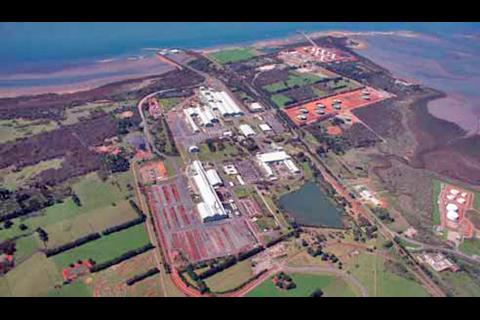
Following more than two years preparation of a Port Land Use and Transport Strategy, the Australian Port of Hastings Corporation (PoHC) has commenced the next critical phase of the staged development of the Port. The Port is already one of Victoria’s largest commercial ports. It handles more than $2 billion in trade each year with about 230 vessels carrying five million tonnes of cargo, mainly steel, petroleum products and LPG. The Victorian Government has identified Hastings as the preferred site for a future container port to supplement Port of Melbourne by 2035. Located within the natural harbor of Western Port, the Port of Hastings enjoys deep water channels with minimum need for maintenance dredging. The port is sheltered from the swell and surge of nearby Bass Strait and is nestled within a bay that consists of significant environmental areas including a Ramsar wetland, a Biosphere reserve and three marine national parks. The importance of the PoHC’s next steps is highlighted when these key elements are added to the community’s strong desire to protect and preserve their recreational pursuits and the environmentally rich Western Port Region. From the commencement of the planning process, PoHC has maintained that, before any construction of the port begins, comprehensive research and investigation into the most appropriate port infrastructure design, methods of construction, materials use and programs should be completed. PoHC supports a comprehensive environment effects assessment to set the ground rules for their vision to develop a ‘green port’ without compromising the future of Western Port’s marine and foreshore environs. To ensure this is achieved, PoHC has committed itself to the development and application of a ‘hierarchy of action’ by avoiding environmental impacts (where alternative solutions are feasible); minimising impacts through appropriate consideration in planning processes and expert input to project design or management (where alternative solutions are not feasible); and identifying and mitigating environmental impacts with appropriate management methods or securing offsets in order to achieve a net gain in environmental values across the region (off sets would be ‘like to like’ in their nature). “The development of the Port of Hastings should not be viewed primarily as an engineering task,” said PoHC Chief Executive Officer, Ralph Kenyon. “The principal role of this project is to ensure the long term strategic significance of the development is firmly embedded in a planning and environmental framework that is durable and sustainable for the long term.” PoHC has entered a four year development phase concentrating on the defined port precinct that also takes into account the surrounding hinterland. Existing geological, environmental, economic, transport and social studies around Western Port and its communities are being reviewed for currency and adequacy, to identify gaps in Scientific and technical knowledge associated with port development. A lead consultant will undertake these next critical steps of the Port of Hastings development project. An expert Scientific Advisory Group, appointed by Government, will provide advice and direction on the scope of further studies necessary to fill the gaps and ensure the appropriate level of Scientific rigour is applied to the preliminary design for Stage 1 and the initial conceptual engineering design for Stages 2 and 3. The review of environmental and planning approval processes and legislative requirements, and the management of stakeholder and community communication and engagement will also be guided by the lead consultant. Sustainability issues, including climate change, will need to be addressed before approvals can be secured. By undertaking this essential groundwork, PoHC will be in a unique position of being able to take advantage of the medium term planning horizon culminating in a full business case at the end of the development phase. “To date, the focus of the Port of Hastings development project has been planning to meet the economic and trade projections to accommodate overflows from the Port of Melbourne,” said Mr Kenyon. “Now, our task is to deliver our vision to ‘Secure a Sustainable Future’ for the region by establishing leadership in the development phase guiding future construction and management of a sustainable ‘green port’ at Hastings.”

