



Lithium-ion fires: the risks
A recent TT Club Webinar put the risks associated with Lithium-ion batteries under the microscope. Felicity Landon reports
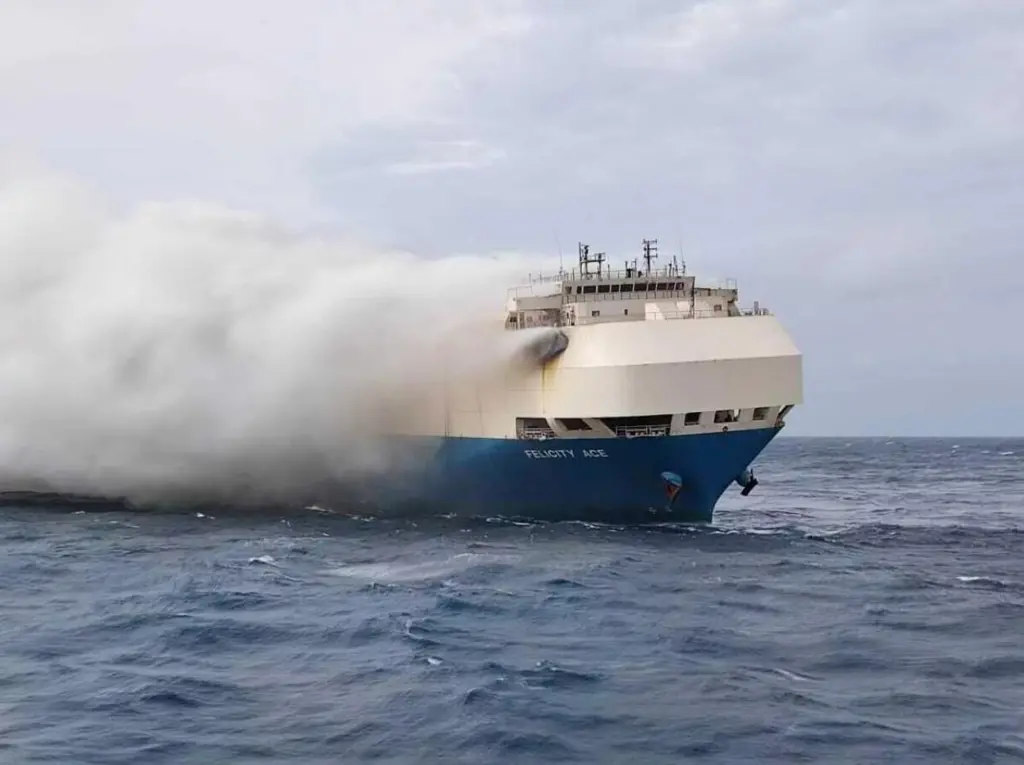
Surely the biggest takeaway from the TT Club’s webinar on the risks of lithium-ion batteries in the logistics supply chain was the disturbing range of video clips and images. An e-scooter being charged up in the hallway of a house, giving off toxic gases before bursting into flames; an electric bus fiercely burning, molten aluminium raining down; a battery device left in clothes in a tumble dryer, causing an explosion that blows out the front of a laundrette; and a series of pictures of onboard catastrophes, showing decks distorted by the intensity of the fire, and scenarios where emergency escape routes and lifeboats above car decks would likely force people to breathe in toxic gases.
Some car manufacturers have stated their intention to phase out ICE (internal combustion engine) vehicles by 2030. However, when it comes to shipping, transport and logistics, this isn’t just about electric vehicle (EV) transport and storage, as Mike Yarwood, the TT Club’s Managing Director, Loss Prevention pointed out. “We are considering phones, computers, batteries, packaged goods, all the way to vehicles and handling equipment.”
THE RISK PICTURE
The risks encompass electrification of port equipment as well as cargo transiting port facilities, and other less obvious items, he said. Lithium batteries storing the energy harvested from rooftop solar panels and other renewable power sources are among the risks that need to be considered. Smart containers are powered by lithium-ion batteries. “A reefer trailer was being designed that incorporated solar panels on the roof; the idea was it would protect against a break in cool chain event when not plugged in – but this is again demonstrating that innovators are looking for ways to incorporate this technology into the supply chain.”
Lithium-ion battery fires continue to make the headlines – the batteries can result in very large fires with very high temperatures, said Dr Karwei So, Managing Scientist at Brookes Bell. Thermal runaway is a self-sustaining reaction that is very difficult to stop once it has started, she said, and a key message was: “Thermal runaway – be warned – this is not smoke!”
Prior to ignition, the batteries vent a white vapour which is highly toxic; a 100KW battery could produce up to 20kg of hydrogen fluoride, and inhalation can result in death, she warned.
The standards and requirements for firefighting and lifesaving appliances onboard ships are governed by SOLAS and STCW regulations – and these have not been changed or updated to take account of the rapid spread of an EV fire, said Dr So. “The technology is advancing all the time – our regulatory standards are not advancing.”
Karley Smith, master mariner and marine consultant at Brookes Bell, outlined the specific challenges when a fire occurs onboard a vessel – for example, ro-ro ferries and car carriers. “Enclosed spaces can contain a fire, but they also act like an oven,” she said. “Normal breathing apparatus will have 20 minutes of air – but when a car deck is full, it will take five to 10 minutes to reach a specific car and the crew need to make sure they leave enough time to evacuate. Toxic vapour from thermal runaway will potentially be in the area of the lifeboats above the car decks. Using a drencher could lead to stability issues if the water builds up because areas are blocked by debris [from fire/explosion]. You need to consider the spread of the vehicle fire when they are stowed so closely together.”
Temperatures of 2700 degrees have been reported in EV fires; the melting point of aluminium is 660 degrees, and many decks or even entire high-speed vessels are made of aluminium. Some emergency access points can only be reached by going through the car decks.
While onshore firefighters have access to additional resources and specialist firefighting expertise, any firefighting at sea is entirely down to the crew and their limited resources. They stand alone, said Dennis Kusters, CEO of React Emergency Response. He called for a review of procedures, more professional/remote assistance, additional training and professional support.
PORT PERSPECTIVE
The speakers were asked – if a port was running a training exercise to simulate fighting a fire with EV/lithium-ion batteries involved on a car carrier that was alongside, what would they recommend?
“Evacuation can be a problem,” said Kusters. “The firefighters want to get on board – the crew or passengers want to get off. Maybe identify separate areas to contain unaffected vehicles. Think about spillage, pollution from the vehicles on the quayside, toxic substances dripping out. All the assistance you can get from shore would be helpful, so training would be very useful.”
Related Articles
 PRODUCTS & SERVICES
 PRODUCTS & SERVICES
 PRODUCTS & SERVICES