

The new software and maritime simulation technology division at Kongsberg is working on the development of a state-of-the-art LNG Cruise Ferry simulator model.
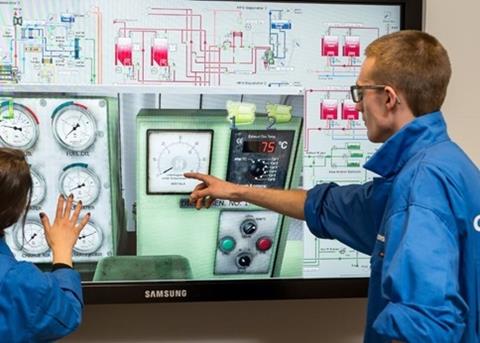
Kongsberg Digital has signed contracts with Sweden’s Chalmers University of Technology, Kalmar Maritime Academy and Linnaeus University to develop the model which will be for the K-Sim Engine simulator platform.
“Our aim is to support the industry to meet new STCW requirements while leveraging the benefits of Dual Fuel engines through high quality training,” said Henrik Pahlm, lecturer at Chalmers University.
He added: “The new LNG Cruise Ferry simulator model for the K-Sim Engine simulator is the perfect platform to achieve this, as it enables detailed, realistic simulation based on the real engine room configuration.”
“It will give engineers a complete understanding of the complexities, risks and hazards of dual fuel engines, helping them to deliver safe and efficient operations on board.”
The new K-Sim Engine model is scheduled to be delivered in at the start of 2017 to get ready for forthcoming maritime training standards which will include handling LNG fuel and other low emission fuels.
Kongsberg’s simulator model will contain the main training aspects for bunkering and operation of a cruise ferry. It will support in-depth training of LNG-fuelled vessel crews, supporting them to recognise risks and be aware of specific points of attention related to LNG and operation of related systems.
Leif P. Halvorsen, product manager at Kongsberg Digital, said: ““We’re developing a highly accurate model to enable training for a vessel power configuration that is becoming more commonplace.”
He concluded: “In addition to general operation of the engines, the simulator will provide LNG-bunkering operations (shipboard) training in a safe and controlled manner, enabling crews to recognise potential problems and handle emergency situations.”

