![PortStrategy[GreenPort]](https://www.portstrategy.com/wp-content/uploads/2026/09/PortStrategyGreenPort.svg)


Cape Town manages a quick mop up
Restructuring has assisted in post-industrial action recovery at South Africas ports, according to operator Transnet Port Terminals (TPT).
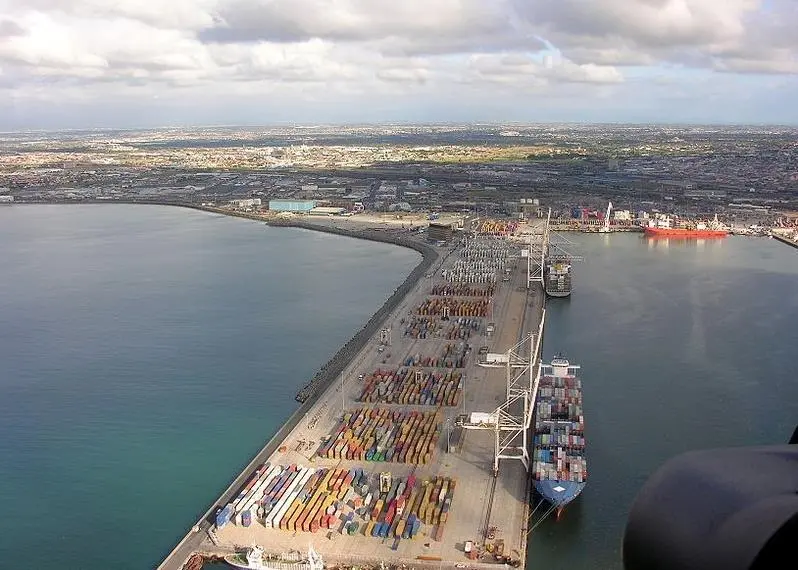
It took only two weeks from the end of the most recent strike to clear Cape Town’s backlog of vessels.
TPT credits the recent merger of its Cape Town container and multipurpose terminals and the restructuring of its planning and operations structures in the Western Province for a rise in performance. It has, they say, resulted in an increase in productivity since the end of June as well as helping with a quick mopping up operation after the strike action that affected ports across South Africa in May.
“We are now looking at berth availability and available infrastructure for the entire Cape Town Terminal, rather than at two separate terminals. So a container vessel can now come into the port and be berthed at either terminal, with the same TPT management and operations teams working to serve customers across the port,” said Velile Dube of TPT.
Gross Crane Hours (GCH) has improved from an average of 22 to 25GCH, with a peak in performance during the week ending 16 July when the terminal achieved 28 GCH (Transnet has set a target of 28 GCH for all container terminals).
Stack occupancy at the terminals had stabilised at 50%, which is a reflection of good throughput control of containers handled. A figure below 65% signals efficient operations and it is significant considering the terminal’s current refurbishment programme which has put pressure on its stack capacity.
Related Articles
 EXPANSION & DEVELOPMENT
 CONTAINER & CARGO HANDLING
 EQUIPMENT