![PortStrategy[GreenPort]](https://www.portstrategy.com/wp-content/uploads/2026/09/PortStrategyGreenPort.svg)


Seek our protection from pirates, urges force commander
The long shadow cast by the skull and crossbones hangs over shippingin the Indian Ocean, with the threat of piracy a very real one in ahuge swathe of its western edge. But the shadow has not yet been longenough to convince everyone sending ships there of the need to seek theprotection of an international naval force riding shotgun in theregion.
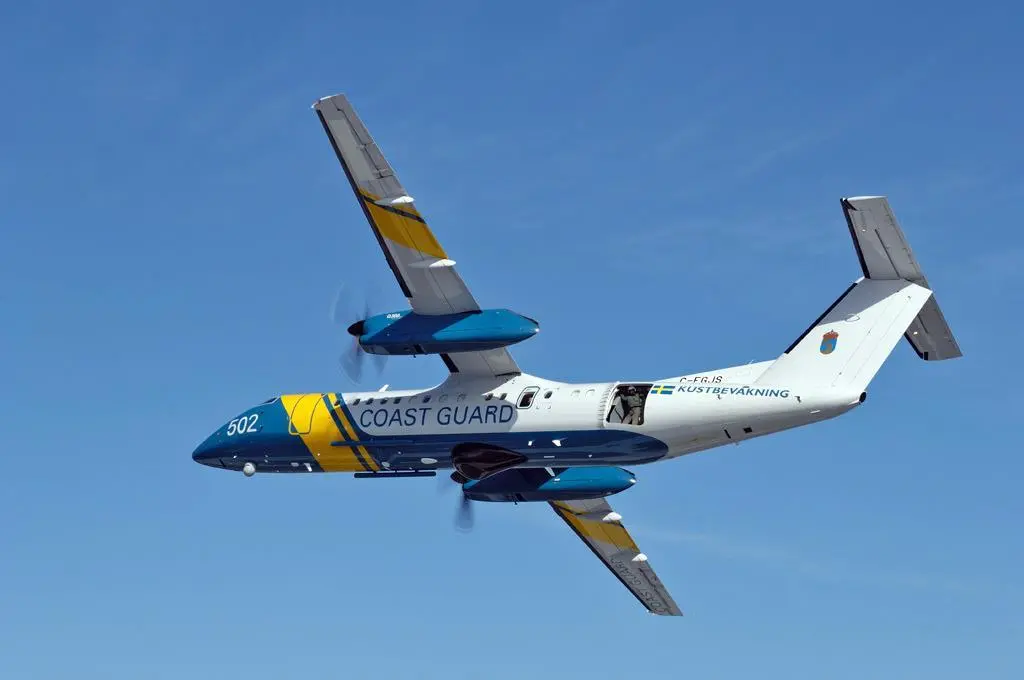
It’s a serious oversight that puts ships and their crews in the path of unnecessary risk, says the man in charge of that task force, Rear Admiral Peter Hudson. He has called for national organisations to encourage registration of any ships crossing the Gulf of Aden or the Horn of Africa; if not with his Atalanta force, then with an associated organisation.
An indication of the scale of the problem comes from the EU’s decision to extend its anti-piracy mission until at least the end of this year, and Rr Adm Hudson’s own belief that the pirates are developing tactics showing greater sophistication.
Sweden’s UN Envoy Anders Linden has told the UN Security Council that the EU anti-piracy force has protected 50 ships responsible for delivering about 300,000 tons of food aid that has directly helped to feed 1.6m Somalis.
It’s been a little over a year since this operation, dubbed Atalanta, has been patrolling shipping routes off the Horn of Africa, involving warships from the UK, France, Germany, Italy Spain and Greece.
Rr Adm Hudson points to the darker side of the work done by his force; pirate vessels sunk, 36 vessels intercepted and 14 direct attacks diverted. But the EU is not working alone, he points out. “China, Russia and India, among others, are there and their presence is essential,” he adds, emphasising that co-ordination had improved, especially with Beijing. NATO was a key player, and co-operation had been extremely effective, he adds.
Even the Ukraine is involved, committing a number of its most highly-trained special forces troops to the anti-pirate force, and a Swedish Maritime Patrol Aircraft from the country’s Coast Guard force joined the strength in January for a four-month deployment. It’s the first time the Swedish Coast Guard has been involved in an operation of this type.
Hudson also warned that pirates were becoming more resourceful, and were not always easy to distinguish from ordinary Somali fishermen – and more importantly that neither the cause of the problem nor its solution were to be found at sea, but ashore.
Anti-piracy advice
Ship operators are advised to register with the Maritime Security Centre (www.mschoa.org) by phone to +44 (0)1923 958545, or email to postmaster@mschoa.org, and to submit a Vessel Movement Registration four or five days before a ship needs to enter the patrolled zone.
It is also advisable to plot courses at least 700nm from the coast of Somalia, and 1,000nm from Kenya and Tanzania (between 00-150 south).
There are numerous other pieces of advice, relating largely to precautions to be taken aboard ship and on passage. Details available on the web site.
Related Articles
 EXPANSION & DEVELOPMENT
 CONTAINER & CARGO HANDLING
 EQUIPMENT