



West Africa: The dry bulk engine
West Africa is fast becoming dry bulk shipping’s biggest growth engine, according to forecasts from Tradeviews, a UK-based forecasting and trade intelligence platform specialising in the dry bulk markets.
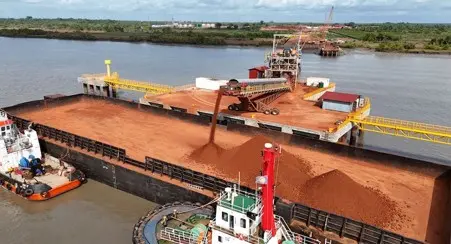
The company suggests that shipments from the African region will surge by 50% on 2025 numbers to 303 million tonnes by the end of the current decade, with this mineral export boom subsequently poised to absorb the equivalent of another 120 capesize units – a boost for China’s growing VLOC fleet.
“West Africa looks set to remain the fastest growing long-haul source of dry bulk cargo. The region’s dry bulk exports reached 202 million tonnes in 2025, up from 114 million tonnes in 2022, and shipments in January to August 2026 are running about 25% ahead of last year. Our forecast has exports at around 267 million tonnes in 2027 and 303 million tonnes by 2030, with Simandou iron ore more than offsetting slower bauxite. Projects under review could add a further 35 million tonnes by 2030,” said Russell Thompson, Founder and CEO, Tradeviews.
On a specific commodity basis, Tradeviews outlines the importance of both bauxite and iron ore. “Guinea bauxite accounts for most of the growth so far. On our country data, Guinea’s dry bulk exports rose from 89 million tonnes in 2022 to 166 million tonnes in 2025, almost all of it bauxite and around 90% of it on Capesizes. Guinea’s mines ministry reported bauxite exports up 25% to 182.8 million tonnes in 2025, on its own basis.”
The role of China as the key market is also continuing, with Tradeviews saying China takes the bulk of the commodity. “Chinese bauxite imports reached 121.1 million tonnes in the first half of 2026, up 17.1% year on year, with Guinea supplying between 15.8 million tonnes and 19.6 million tonnes per month from April to June. Imports have been running well ahead of Chinese aluminium output, which we read partly as stock-building against policy risk in Guinea.”
The company’s forecast has Guinea’s bauxite exports peaking near 194 million tonnes in 2026 and easing to about 153 million tonnes by 2030, in line with the government’s moves to curb exports and build local alumina refining.
For iron ore, the message is simple – Simandou is the “turning point.” The first ore was railed to port in October 2025, and the first cargo of nearly 200,000 tonnes reached Majishan in China in mid-January 2026. Chinese partners hold 75% of a project rated at 120 million tonnes per annum. “Our forecast has Guinea’s iron ore exports at 45 million tonnes in 2027, 75 million tonnes in 2028 and about 112 million tonnes by 2030, close to its rated capacity and all of it on Capesizes,” Thompson concludes.

Related Articles
 AFRICA
 EXPANSION & DEVELOPMENT
 CONTAINER & CARGO HANDLING