![PortStrategy[GreenPort]](https://www.portstrategy.com/wp-content/uploads/2026/09/PortStrategyGreenPort.svg)





Ports key to managing maritime security risk
Ports should play a key part in managing maritime security risks, a new IMO workshop has stressed.
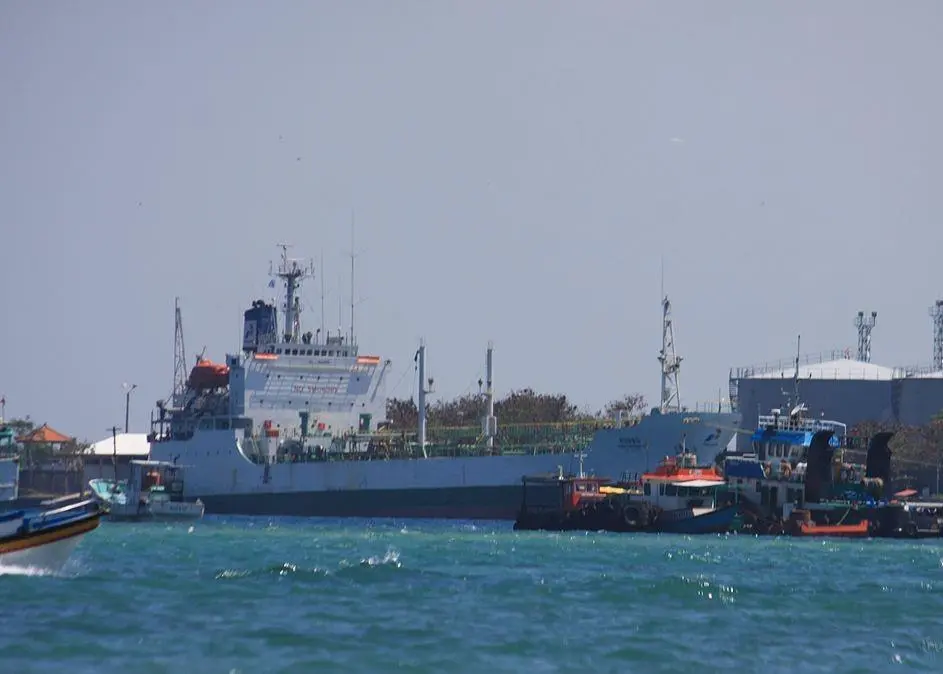
The message in the pilot workshop in Denpasar, Indonesia, was that the majority of maritime security threats need to be primarily addressed ashore, “with ports playing a key part in the solution”.
The workshop, held from 17-21 February and co-organised with the governments of Indonesia, Australia and United Kingdom, has been designed to help participants counter threats in the maritime domain, which include terrorist attacks, piracy and armed robbery as well as challenges of increased drug trafficking, smuggling of weapons, and migration.
The solutions discussed in the workshop include putting appropriate protocols in place to secure access control to the port and the ships as part of security measures and risk assessments.
The training sets out that an important part of risk management as a whole is to correctly prioritise limited resources and available time, in order to take action to reduce the most important risks.
To help states manage and mitigate risks, IMO has developed appropriate rules and guidelines, including the SOLAS Convention and the ISPS Code, supplemented by newer guidance in the IMO Guide to maritime security.
During the workshop, the new Benoa Sea Passenger Cruise Terminal was the site of an on-scene assessment conducted by participants.
Related Articles
 CONCESSIONS & INVESTMENTS
 CONTAINER & CARGO HANDLING
 TERMINAL OPERATIONS