![PortStrategy[GreenPort]](https://www.portstrategy.com/wp-content/uploads/2026/09/PortStrategyGreenPort.svg)






Emissions target set for Australian ports
An Australian port management group has a launched a sustainability plan to help it minimise its environmental impact.
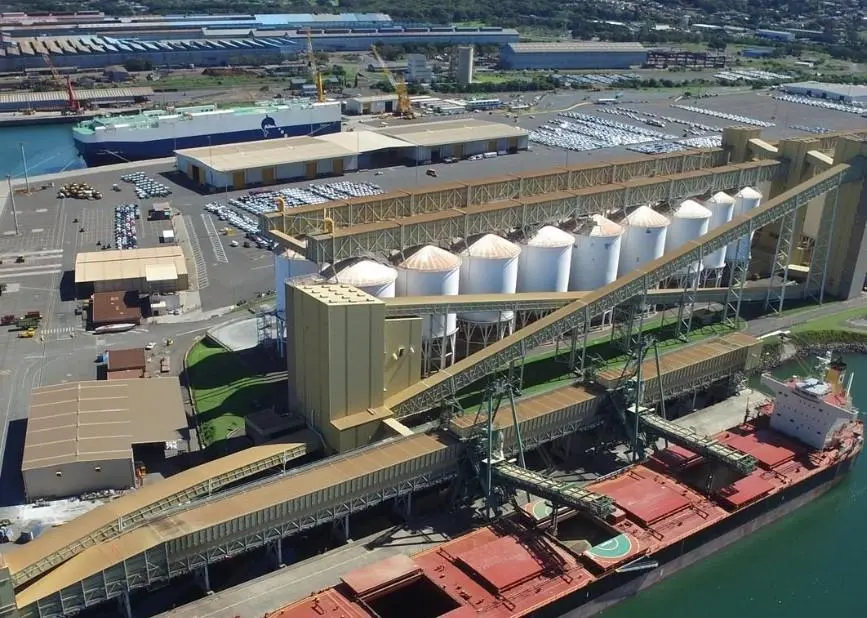
NSW Ports’ Sustainability Hub and 2019 – 2022 Sustainability Plan is aligned with the United Nations’ Sustainable Development Goals framework. NSW Ports, which includes Port Kembla and Port Botany, was acquired by an IFM Investors-led consortium in 2013 and is one of several subsidiary organisations that has set emissions reduction targets through to 2030 and beyond. NSW Ports aims to reduce emissions by 20% by FY24.
Marika Calfas, CEO of NSW Ports, said: “We recognise that we have a responsibility to enact sustainable environmental, social and governance measures which minimise the impact we have on the natural environment and the communities in which we operate, and our 2019 plan highlights our achievements and actions for each of these areas.”
The plan is divided into business, environment, community and people. As part of the environment element of its plan, NSW Ports is working to actively reduce the intensity of energy and water use at its assets, through transition to energy efficient lighting, plant and equipment and renewable energy sources and supply. It said it has achieved a 20% reduction in greenhouse gas emissions since FY15.
NSW Ports also maintains breeding ponds and associated habitat areas for the endangered Green and Golden Bell Frog at Port Kembla and Enfield Intermodal Logistics Centre. It has partnered with Conservation Volunteers Australia to restore native vegetation in Sir Joseph Banks Park at Port Botany and restore wetlands and monitor frog populations at Port Kembla.
It also maintains an environmental management system for compliance which includes an overarching Environmental Management Plan (EMP) at each of its sites.
Related Articles
 AUSTRALASIA GREENPORT
 AUSTRALASIA GREENPORT
 AUSTRALASIA GREENPORT