![PortStrategy[GreenPort]](https://www.portstrategy.com/wp-content/uploads/2026/09/PortStrategyGreenPort.svg)





Port development threat to Great Barrier Reef
The development of ports and liquefied natural gas (LNG) facilities in and around Australia are apparently threatening the fragile ecosystem of the Great Barrier Reef.
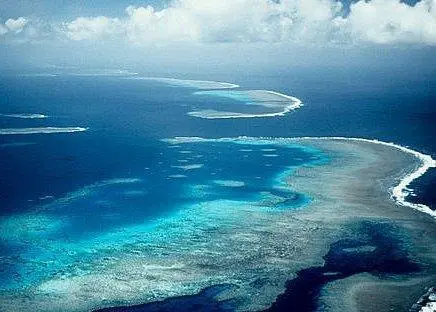
The UNESCO World Heritage Committee says the Great Barrier Reef will be listed by the United Nations as a threatened ecosystem from June 2014 unless the Australian government meets a list of recommendations to protect it.
This comes after a draft report was released in May which noted “concern” over the “significant loss of coral” and “limited progress” in bringing an end to coastal development and other threats to the reef.
The report also urges Australia to ensure that the expansion of existing ports does not damage the universal value of the reef.
More than 150 Australian and international scientists have contested against the proposed expansion of coal and gas export terminals, such as Townsville, and new major export developments, such as the multi cargo facility at Abbott Point.
Critics claim the increased shipping, pollution and waste from dredging from these developments will harm coral, turtles, dugongs and other wildlife.
UNESCO says that there should be no new ports considered until the issues are rectified, but there is no state plan to limit development.
A separate committee concern over the “lack of clarity” around water quality was recently amended after the federal government pledged AUS$200m in the May budget for the continuation of its Reef Rescue programme, which aims to reduce the amount of agricultural chemicals flowing into the reef.
The Australian government now has a year to act on the World Heritage Committee’s recommendations to save the reef.
Related Articles
 AUSTRALASIA GREENPORT
 AUSTRALASIA GREENPORT
 AUSTRALASIA GREENPORT