![PortStrategy[GreenPort]](https://www.portstrategy.com/wp-content/uploads/2026/09/PortStrategyGreenPort.svg)





Port marine biosecurity programme wins award
A marine biosecurity surveillance programme that helps protect the natural environment and flora and fauna at ports in Australia has received an Australian Biosecurity Award.
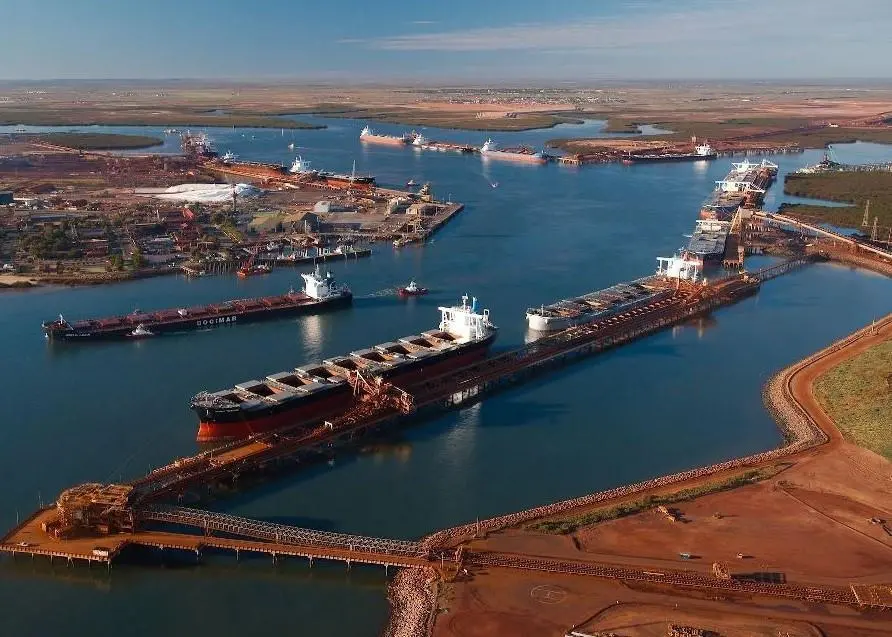
Developed by port authorities in Western Australia and the Department of Primary Industries and Regional Development (DPIRD), the State-Wide Array Surveillance Program (SWASP) takes samples of marine growth from settlement arrays deployed at ports across Western Australia, extracts their DNA and compares them against a reference library of DNA from known marine pest species. A match indicates the potential presence of that species.
Dan Pedersen, environment and heritage manager at Perth-located Pilbara Ports Authority, said: “The program successfully demonstrates how WA’s port authorities and DPIRD are working together to share the cost and management of the State’s marine biosecurity surveillance, ensuring a coordinated response to marine pest incursions.
“The practical and flexible design of the SWASP also allows us to continue adapting and integrating emerging technologies so we continue to innovate in this area.”
Vast coverage
SWASP achieved a joint win in both the industry and government categories of the government-organised Australian Biosecurity Awards.
The programme was implemented by Pilbara, Kemberley, Mid West, Southern and Fremantle Ports Authorities across all ports in Western Australia, helping to achieve the industry category win. The programme has a large network of 11 port locations spanning 11,000km of WA’s coastline, allowing ports to respond more rapidly to a potential invasion of an introduced marine pest.
Aquatic Pest Biosecurity, Western Australian Department of Primary Industries and Regional Development won in the government category for the development and management of SWASP.
Ports minister Alannah MacTiernan said: “In 2017-18, there were more than 9,600 vessels visits and 119 cruise ships stopping at WA ports. This puts our ports on the front line of defence to help protect our State from unwanted pests and diseases.
“Driving greater awareness and better education of biosecurity issues by port users both nationally and internationally is vital to protect both our marine and agricultural environments.
Related Articles
 AUSTRALASIA GREENPORT
 AUSTRALASIA GREENPORT
 AUSTRALASIA GREENPORT