![PortStrategy[GreenPort]](https://www.portstrategy.com/wp-content/uploads/2026/09/PortStrategyGreenPort.svg)





Project Melbourne
After many years of planning – and a long approval process – work has now begun on the deepening of the entrance channel to the port of Melbourne.
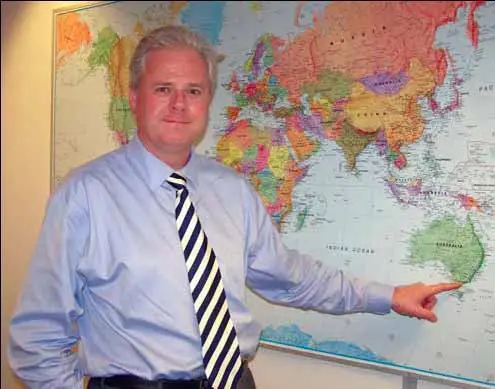
In February of this year, Dutch dredging Royal Boskalis Westminster commenced work on the deepening of the entrance channel to the port of Melbourne, Australia. The project, with a contract value of some €300 million, is being undertaken in an alliance with the Port of Melbourne Corporation and will take about two years to complete. According to Boskalis, the project involves the dredging of sand, clay, contaminated silt and rock. The work will be carried out using two hoppers – one of which will be the company’s “Queen of the Netherlands” – together with backhoes and cranes. After the completion of the project, the port of Melbourne will be accessible for container vessels with a draft of up to 14m. This project has caused significant controversy and has been the subject of vociferous protests and legal disputes amid concerns over the environmental impact of the work “The Philip bay is a very sensitive area with fish, plants and coral reefs,” says Roel Berends, the company’s Group Director, Corporate Relations, “so we have taken four years to design, test and prove the special equipment that has been required for this project. We did the test dredging three years ago and proved that our technology is environmental friendly. Yet, on 28 January, our ship had to sail into the port with a police escort, because there were still protest groups, concerned that it will be damaging to nature.” Berends continues: “As a dredging company we are working with nature and this is a very important aspect of our business. People often think that dredging in number one enemy to the environment, but for us, as a company, to work in environmental friendly way is better, because we see that otherwise the projects get delayed. So we invest in people – biologist, engineers, and scientists to help develop a sustainable dredging. We have many specialists working on environmental impact, we have a dredging development department, where our people are modifying the dredging equipment to serve the clients environmental interest.”
Related Articles
 AUSTRALASIA GREENPORT
 AUSTRALASIA GREENPORT
 AUSTRALASIA GREENPORT