![PortStrategy[GreenPort]](https://www.portstrategy.com/wp-content/uploads/2026/09/PortStrategyGreenPort.svg)






Embrace shipping alliances, hubs told
Transhipment hubs should embrace shipping alliances or be faced with lack of demand, says Drewry Maritime Research’s latest container insight report.
The report says that although shipping alliances pose both opportunities and risk, successful terminal operators will most likely having strong connections to the dominant carriers in the alliances.
“Transhipment hubs are exposed to numerous risks, from poor underlying demand to increasing use of direct services. Tomorrow’s winners are likely to be the biggest hubs with strong links to carriers that can guarantee capacity and smooth operations,” it said.
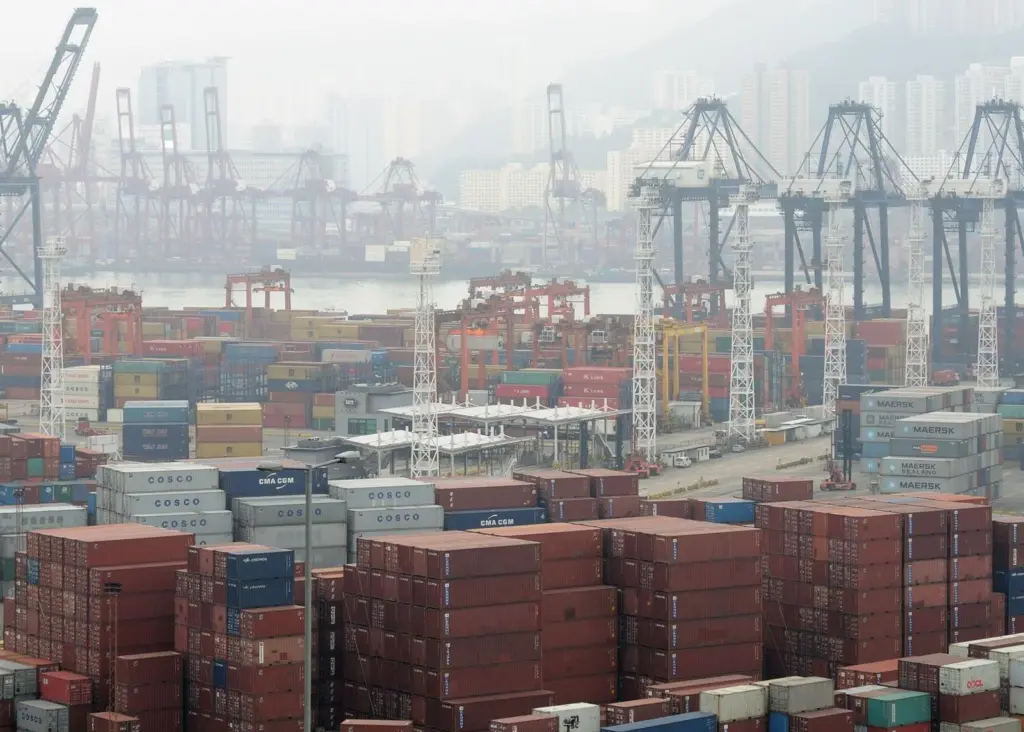
Drewry said that some of the half-year port statistics will make uncomfortable reading for officials at a number of the world’s largest transhipment hubs, including Hong Kong, which has faced a half-year decline of 10%.
Some of the malaise can be explained by the industry experiencing slower underlying growth than it has been used to, but there are some other factors at play.
Transhipment volumes account for a sizeable proportion of Hong Kong’s business and some of the contraction is the consequence of market share shifts to other nearby hubs.
Ocean carriers have accelerated the shift towards more direct calls at the expense of transshipment because it is too expensive. Instead, feeder ports are being added to mainline services to save on feeder costs.
The trouble is that shipping alliances pose a risk to all transhipment-heavy ports as they reduce the client pool for terminal operators and see business divvied out in much bigger chunks.
But despite this, they could actually be beneficial to larger transhipment ports where there is ample capacity to cater to increasing alliance-level volumes.
However, those transhipment ports most at risk will be smaller or more fragmented. Mega hubs are best able to compete when it comes to mega alliances.
Related Articles
 BULK HANDLING
 BULK HANDLING
 BULK HANDLING