![PortStrategy[GreenPort]](https://www.portstrategy.com/wp-content/uploads/2026/09/PortStrategyGreenPort.svg)






ITF calls for Italian port authority overhaul
A new port authority structure is needed for the Italian port system to fill in “gaps” and put an end to ongoing “critical” problems, says the International Transport Forum.
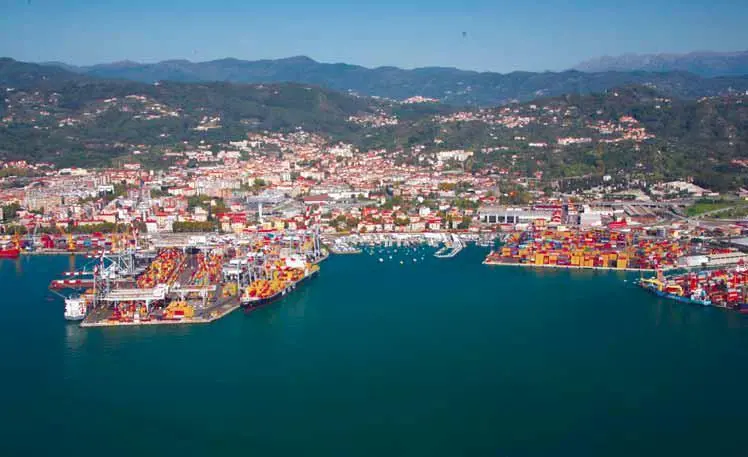
In its latest OECD report, the ITF highlights the main issues facing Italian ports: decreased industrial flows as a result of the structural economic crisis affecting the country, other freight flow patterns driven by global carriers choosing ports in order rationalise their shipping network, and forwarder and logistics providers wanting to operate in efficient transport modes.
According to the report, the majority of traffic handled by Italian ports is concentrated in few “hubs”, while many ports are small sized harbours handling few quantities of cargo.
“The current centralised organisation and low inter-port competition guarantee enough financial resources for each port even if this situation is penalising the establishment of national poles able to compete for wider hinterlands or to attract big global operators,” the report states.
ITF says the agglomeration of ports serving the same hinterland under a common organisation body could help “rationalise the port sector” and to attract additional cargo and investments. But, the port authorities regulating and controlling these ports have several administrative and financial limits which stop them from promoting and optimising the performance of the port players.
In addition, port authorities have little control over planning anything outside the port boundaries, despite the main competitive factor for port operators being an efficient supply chain.
Despite a number of proposals to improve the sector, including the promotion of agreements between port authorities and regional and local administrations and the rail infrastructure manager, little have been approved, but are still needed, says the ITF.
The report says Italian ports face two ongoing threats: the continuous loss of competitiveness of the national transhipment ports like Gioia Tauro and Taranto, and the shrinking of the catchment areas of most gateways ports – Rotterdam is currently serving the Po valley. ITF says the introduction of logistics authority instead of port authorities and a greater – even though partial – financial autonomy in order to facilitate the investments would help the situation.
Elsewhere, the Italian government has created a Committee in charge of defining the National Strategic Plan for Ports and logistics – expected this month – that will inform a new port reform bill.
Related Articles
 BULK HANDLING
 BULK HANDLING
 BULK HANDLING