![PortStrategy[GreenPort]](https://www.portstrategy.com/wp-content/uploads/2026/09/PortStrategyGreenPort.svg)





Pushing problems down the line
If calls on port equipment are such that achieving regular maintenance schedules proves difficult, then problems will inevitably arrive further downstream, according to the TT Club.
The insurance specialist estimates that while there are short term savings to be achieved from deferring maintenance, in the longer term ensuing costs will be six times higher.
Ports of Auckland (POAL) is in complete agreement with that observation: “Our maintenance engineers who work at the container terminal really do understand operational requirements and those in operations appreciate why that maintenance does have to take place, too,” says a spokesperson.
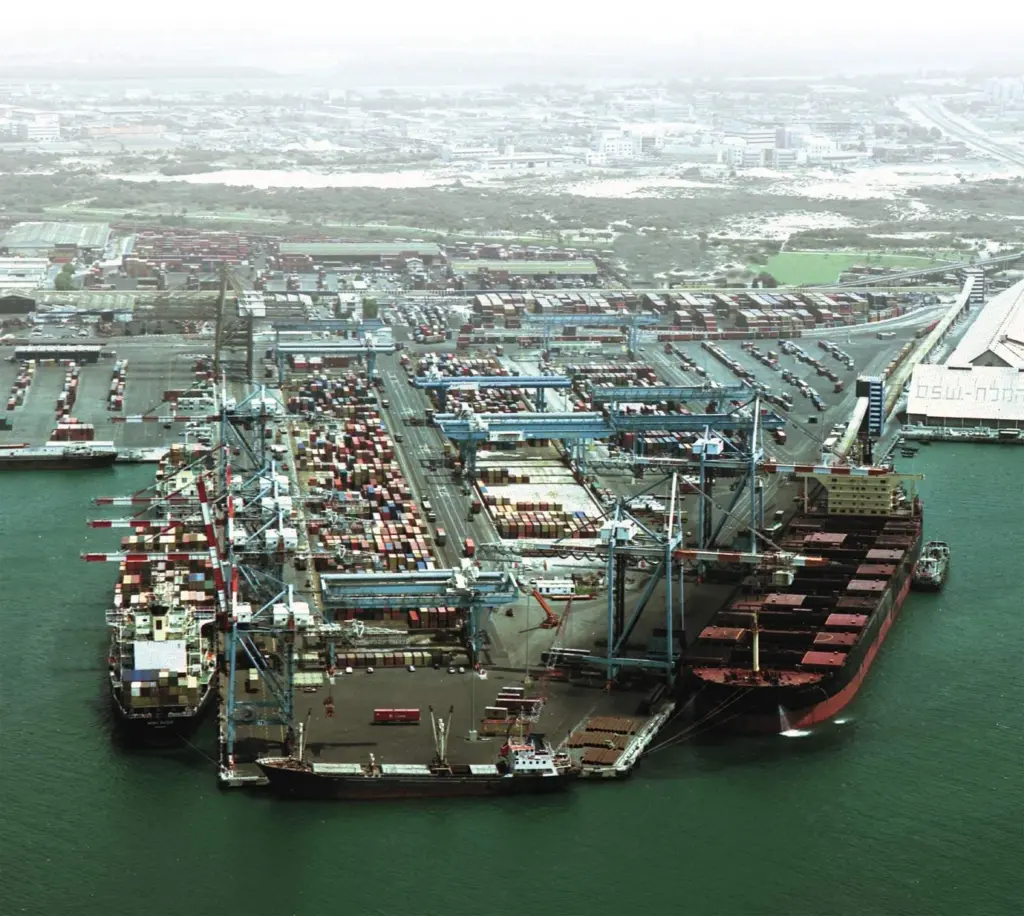
Ashdod Port Company’s vice president for Engineering and Logistics, Yossi Bassan adds that there is often pressure to defer maintenance in the short term, which is simply storing up bigger problems for the future, which may generate higher costs overall.
“If you do defer maintenance for too long, you pay a very high price further down the line. For this reason, I am very reluctant to defer maintenance unless there is a very good reason to do so,” says Mr Bassan.
He points out that engineers at Ashdod do not work purely and simply in a maintenance bubble; they understand both maintenance and operational requirements and there is day-to-day contact between both groups of people. There has to be, otherwise nobody would know how to improve or refurbish the cranes to meet the needs of operations.
Meanwhile, DP World group chief executive Mohammed Sharaf says it is difficult to comment on the TT Club’s estimate that short term savings achieved from deferring maintenance may result in six times higher costs. At DP World, procedures already in place ensure the company’s terminals continue to do the right work at the right time to protect and manage its assets, he says.
In terms of whether maintenance engineers really understand operational requirements, he notes: “We employ people with specific trades and skills throughout the business who work in line with our business processes to best serve our customers in the safest, most efficient and cost effective manner. The different operating departments do have an understanding of each other’s requirement and objectives.”
Related Articles
 BULK HANDLING
 BULK HANDLING
 BULK HANDLING