


Labour shortages cause logjams in LA/LB
The surge in trade coupled with a shortage of longshore and Union Pacific Railroad workers continued to slow vessel and cargo traffic at the ports of Long Beach and Los Angeles.
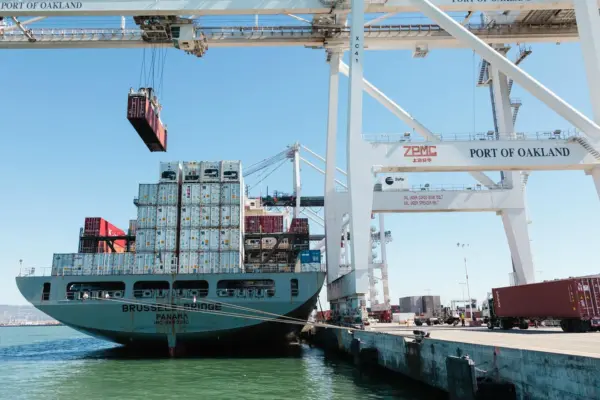
Since late June, the turnaround time for container ships has grown from three to four days to as long as seven days. There have been as many as 70 ships at the two San Pedro Bay ports, including more than 20 at anchor – several times the normal number.
Scrambling to deal with the crush of cargo, terminal operators and the longshore union held a lottery to fill 3,000 “casual” longshore jobs at the ports of Long Beach and Los Angeles – attracting an unprecedented 300,000plus postcard applications. The part-time jobs pay nearly $21 an hour and no benefits, but are the first step toward International Longshore and Warehouse Union positions that pay yearly wages of more than $100,000 a year.
The first of the new casuals were expected to reach the waterfront by the end of September at the rate of about 100 a week.
The turnaround time for container ships – from arrival to departure – was as much as eight days – about four days longer than usual, according to the Marine Exchange of Southern California, which monitors vessel traffic. In the week after the Labor Day, the backup of vessels at the ports of Long Beach and Los Angeles peaked at 83 ships including 45 at anchor waiting for an open berth.
Facing a shortage of longshore labor and delays in establishing a collection system, a group of terminal operators has postponed until early next year the launch of a container box fee aimed at encouraging truckers to use night and weekend terminal gates. The organizers of the PierPass extended gate programme had planned to implement a $20/TEU daytime box fee beginning Nov. 1. With PierPass, the maritime industry expects to ease daytime traffic congestion and to improve air quality.
Related Articles
 CONCESSIONS & INVESTMENTS
 CONCESSIONS & INVESTMENTS
 CONCESSIONS & INVESTMENTS