![PortStrategy[GreenPort]](https://www.portstrategy.com/wp-content/uploads/2026/09/PortStrategyGreenPort.svg)






AI optimisation drives terminal efficiency
International Container Terminal Services, Inc. (ICTSI) has announced the successful live implementation of an AI-powered operational optimisation tool that improves truck and equipment efficiency at its flagship Manila International Container Terminal (MICT).
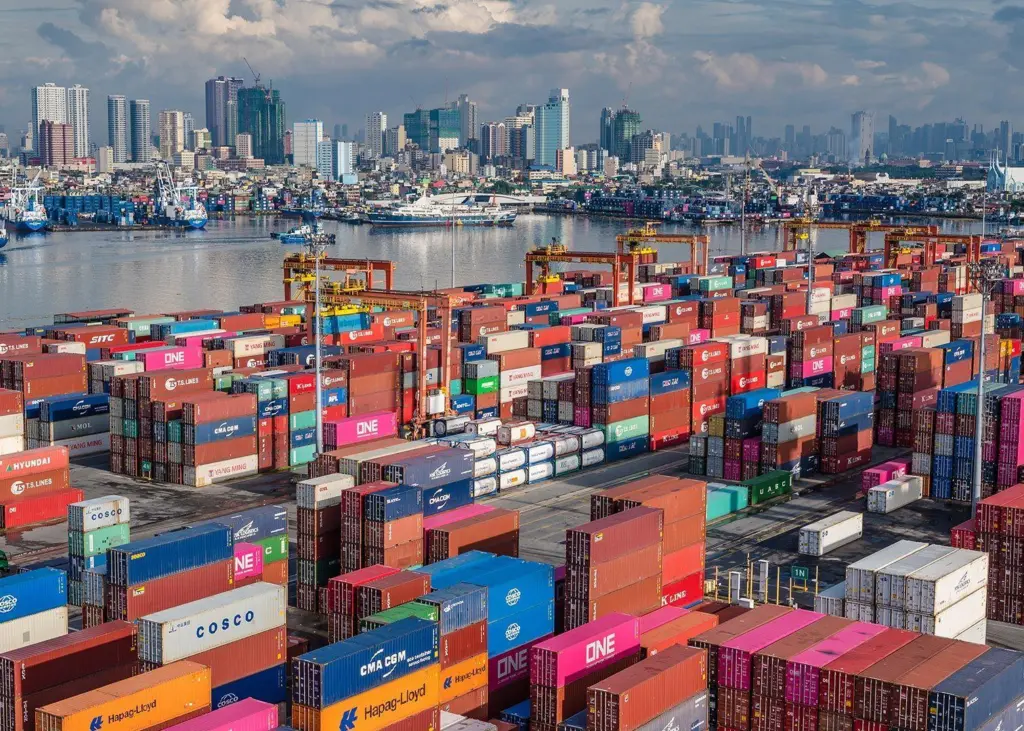
The solution, YardSight, is part of a larger AI Solution Suite – AiCON, developed by Avlino, a New Jersey-based AI and digital transformation company, in partnership with IGO Solutions, a UK-based leading solutions provider for container terminals.
“The YardSight AI module, in its current form, provides logic for the most efficient stacking positions based on optimal work balancing of our rubber tired gantries (RTGs),” said Anders Dommestrup, MICT CEO and executive director. “This results into increased productivity for internal and external trucks, reduced traffic clashes, and minimized yard rehandles when stacking import containers. We are closely working together to expand the application into dynamic allocation of CHE ranges and focusing efficiencies for the export yard cycle for internal/external trucks in the coming months as well. We are already seeing very encouraging signs that this new approach can deliver significant efficiencies to equipment utilization and truck turnaround time, which will be passed on to our customers to further support ICTSI’s conscious effort to reduce its greenhouse gas emission.”
Smart solutions
YardSight performs capacity optimisation, throughput management, and yard space maximisation. Leveraging real-time and historical operational data from internal and external sources, the AI application adapts to the current state and responds back to users with intelligent work directives based on the transformative conditions.
“The partnership with ICTSI has been instrumental in shaping YardSight,” said Ramana Jampala, founding CEO of Avlino. “Real-time planning that responds to external dynamic conditions is a real game-changer for terminal operators. Adopters of YardSight will find that they are equipped to tackle the challenges of constriction, congestion, and high re-handle counts.”
Related Articles
 CONTAINER & CARGO HANDLING
 CONTAINER & CARGO HANDLING
 BULK HANDLING