![PortStrategy[GreenPort]](https://www.portstrategy.com/wp-content/uploads/2026/09/PortStrategyGreenPort.svg)






Capacity commitment
Dubais ports continue to shine in all cargo areas, as Felicity Landon discovers
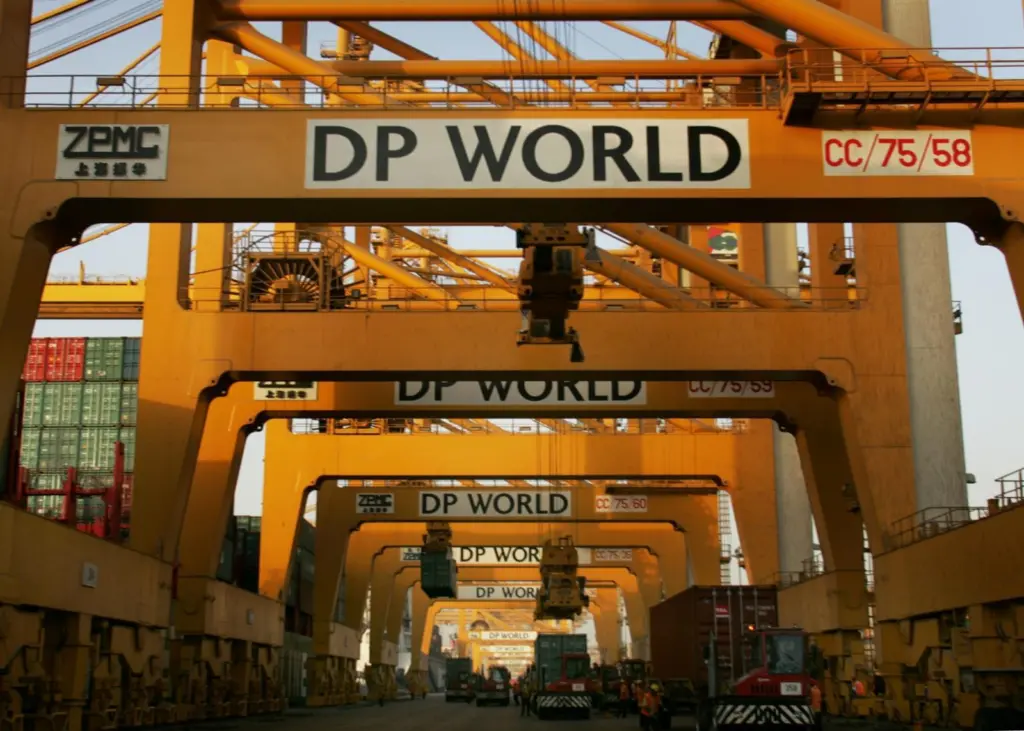
Customers continue to order the new generation mega-vessels of 18,000 teu and want to use Jebel Ali as a hub for the region, according to DP World.
The port operator is investing about $850m over the next three years to increase capacity at Jebel Ali by 4m teu; the investment will include converting 1,860 metres of quayside and 70 hectares of yard from an existing general cargo berth into a new container terminal within the existing container port.
DPW is also adding 400 metres of berthing at its Terminal 2 complex, to add another 1m teu capacity; this work is due to be completed by the end of this year. Taken together, the developments will bring Jebel Ali’s annual capacity to 19m teu.
The new facility, Terminal 3, will have ‘the largest, most efficient quay cranes’ and a draft of 17 metres, and will be able to handle the world’s largest planned container ships.
“Jebel Ali is the gateway for cargo going into the Middle East, Africa and the Indian subcontinent region, which continues to grow,” says Natasha Bukhari, DPW’s global corporate communications manager.
The new capacity will allow lines to make the most of the economies of scale and efficiencies of the new, largest vessels, she adds.
Enhanced status
DPW has said that the investment in Jebel Ali will support the continued growth of Dubai and the UAE and ‘enhance the country’s status as the trade centre of the Middle East’. The terminal, a global ‘top ten’ container port, saw volumes increase by 12% to 13m teu last year; it has subsequently reported volumes up by 7.3% for the first six months of 2012.
In April, Jebel Ali put out the red carpet for the first call at the port by China Shipping’s 14,000 teu CSCL Uranus. “Jebel Ali is one of the few global ports with proven ability to handle mega container ships such as CSCL Uranus, which is 366 metres long and 51 metres wide,” said DPW at the time. The port management put in place some meticulous planning to discharge and load the vessel, which was introduced on to China Shipping’s weekly service between Tianjin, Far East Asia and Jebel Ali, one of the busiest trade routes between the Far East and the GCC region.
At nearby Port Rashid, DPW is expanding its Dubai Cruise Terminal facilities: “This expansion is to continue our leading position as the largest cruise centre in the Middle East,” says Ms Bukhari. “The expansions will improve the capacity of the facilities to cater for as many as seven cruise vessels at one time.”
DPW has just reopened its upgraded and refurbished Port Rashid Passenger Terminal. “The resumption of ferry services will complement our ongoing plans to expand Port Rashid’s capacity to cater for the growing demand for cruising in the region.”
Fish focus
Also this year, DP World has completed the first phase of the Al Hamriya port development plans, aimed at modernising and upgrading the traditional port to meet the needs of the fishing sector and other customers. The first phase has included upgrading 1m square feet of yard, which has been paved, metal fenced and gated.
“The changes will strengthen Al Hamriya Port’s traditional capability and leverage the strategic location of the port in the centre of Dubai,” says Ms Bukhari.
The new yard areas are available for lease for traders and logistics companies. The second phase of the development will provide new facilities for the fishing industry, with the creation of a new 1,650 metre wharf with capacity to accommodate 190 fishing boats. Construction is under way and due for completion this year.
While DPW has focused on major investments in its flagship Jebel Ali port, Al Hamriya plays a key role in handling non-containerised cargo between Dubai and countries in the Gulf, South Asia and East Africa. The recent upgrades at the port have also included the construction of a new control tower, redevelopment of the main gates and the installation of a new IT network. DPW says the changes will leverage the strategic location of the port in the centre of Dubai.
Related Articles
 CONTAINER & CARGO HANDLING
 CONTAINER & CARGO HANDLING
 BULK HANDLING