![PortStrategy[GreenPort]](https://www.portstrategy.com/wp-content/uploads/2026/09/PortStrategyGreenPort.svg)





Drop the competition over automation, says Navis
The competitive mindset between vendors needs to come to a halt after projects are awarded, and immediately switch to a collaborative one to embrace a common goal, says Navis.
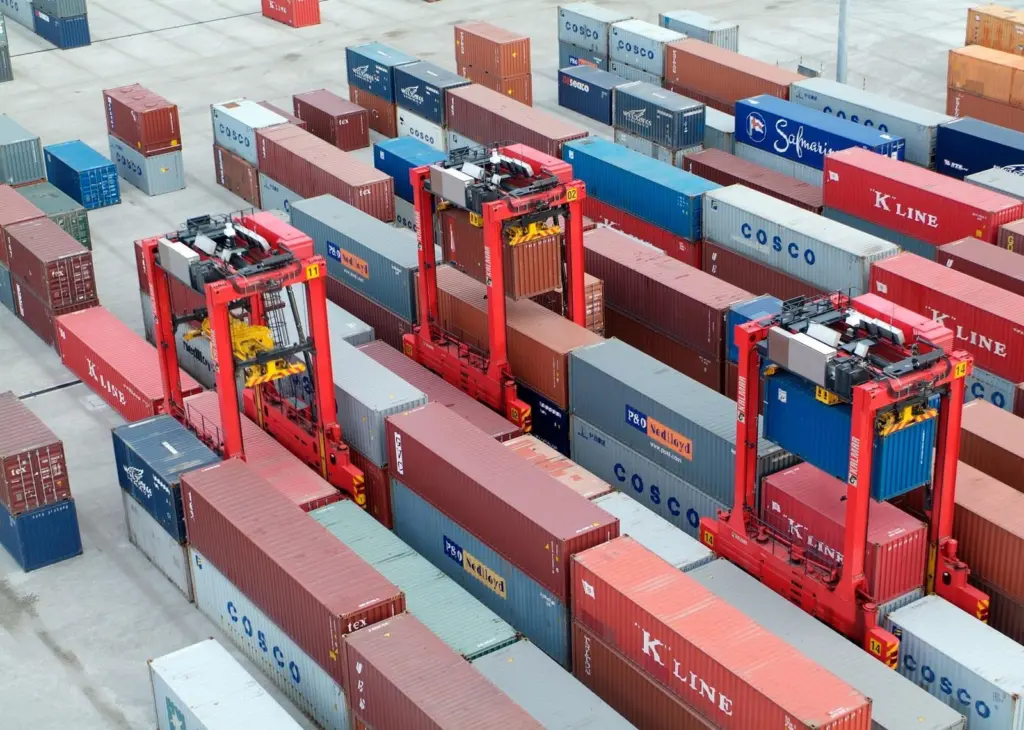
A new whitepaper by Meena Shah and Lucia Ramos says that communication, feedback, and mutual trust are essential for integration success. “After all, it is the joint result that truly matters; we are only as strong or successful as the weakest link in the chain,” it says.
The authors also talk about the many challenges terminals face when switching to automation, which can be hard to anticipate when coming from a manned terminal operational background. Automating a terminal does not only mean adding new equipment, but also finding a new way of managing terminal operations.
They say that new methodology has to be applied, not only to the terminal design, but to the actual tactics of running the operations. The integration and complexity of establishing requirements for the new machines, systems, and human beings make successful terminal automation a difficult endeavour.
Central to the smooth operation of an automated terminal is the Terminal Operating System (TOS) and the Equipment Control System (ECS). As a consequence, the authors said that their seamless integration remains a critical element for the success of automation implementations. Due to the complexity of integrating different software systems, it is paramount that terminal operators and system providers create a collaborative environment to overcome challenges together.
The whitepaper also highlights the importance of the role of the “system integrator” which needs to be identified earlier in the project implementation phase because they are critical to the project’s success. It is the system integrator that aligns the interests of all vendors and helps to foster the collaborative environment needed for successful equipment automation.
Related Articles
 CONTAINER & CARGO HANDLING
 CONTAINER & CARGO HANDLING
 BULK HANDLING