

Durres world first
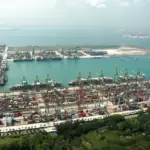
Durres Container Terminal (DCT) in Albania has achieved a world first.
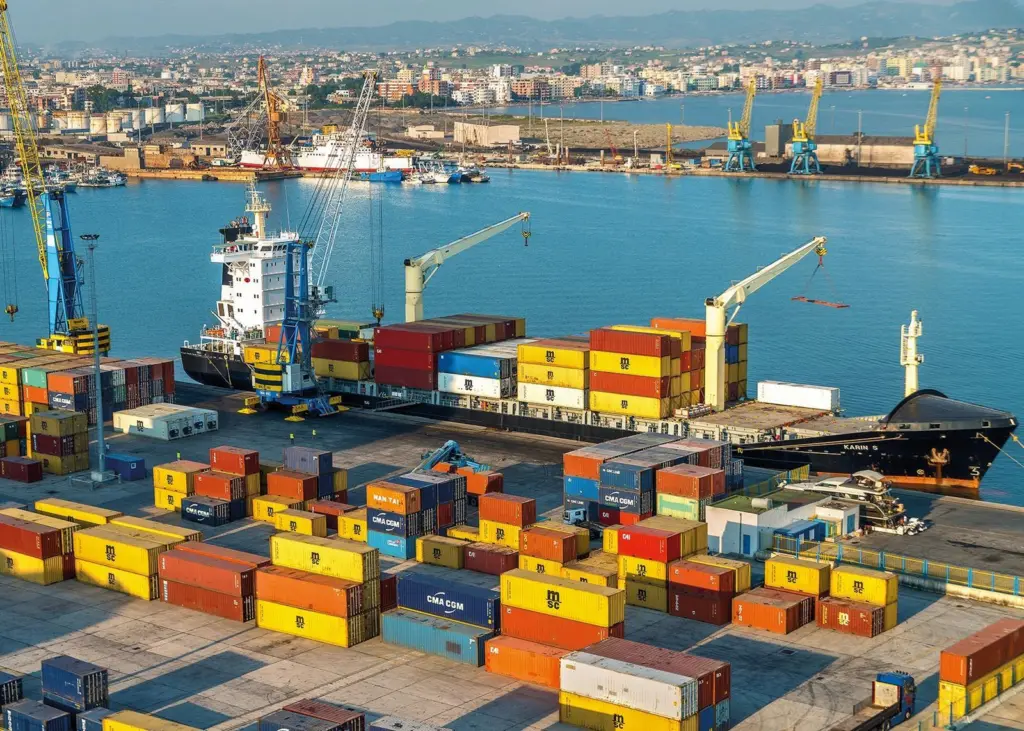
Under the management of Hili Company’s Mariner Adriatic, DCT at the Port of Durres is the first container terminal in the world to go live with the Navis N4Saas terminal operating system (TOS), Navis’s cloud-based solution.
“The implementation of Navis N4Saas is a significant advancement for the Container Terminal of Port of Durres and one that we firmly believe will lead to improved efficiency across our operations, a more seamless exchange of information with key stakeholders and a broadened portfolio of services that we can offer our customers,” said Aklet Malo, CFO of Durres Port Authority.
“Beyond that, the additional layer of security afforded to us through cloud operations, along with increased visibility, transparency, and trackability of our operational processes, will be key to expediting law enforcement activities with the port. Navis’s partnership and established expertise in these areas gives us an added competitive advantage and will only serve to strengthen our position in the region.”
Cost control
Launched in December 2020, Navis N4Saas allows terminals the full feature set of a TOS while being delivered as a service at a predictable subscription price which helps terminals to control costs.
By moving to the cloud, terminals have the opportunity to continuously innovate operations, allow IT personnel to focus on strategic initiatives and free up hardware spend for IT infrastructure while minimizing production loss due to unplanned downtime.
Implementation of cloud-based Navis N4Saas allows the terminal to streamline day-to-day operations utilizing Navis’s cloud and lays the groundwork for the continuous development and improvement of the terminal operation.
In just three months, Mariner Adriatic were able to convert the terminal’s operations making DCT the first terminal operating Navis N4Saas in the cloud. Through the cloud the terminal was able to roll out capabilities incrementally, starting with gate, moving to the yard and then to vessel operations, followed by Equipment Control and EDI Exchange functionality as well as BI reporting and integrations with external systems.
Related Articles
 CONTAINER & CARGO HANDLING
 CONTAINER & CARGO HANDLING
 BULK HANDLING