![PortStrategy[GreenPort]](https://www.portstrategy.com/wp-content/uploads/2026/09/PortStrategyGreenPort.svg)






Finnish record breakers
Kotkas monster gate operating system will unite two competing operators without compromising data privacy. Felicity Landon reports
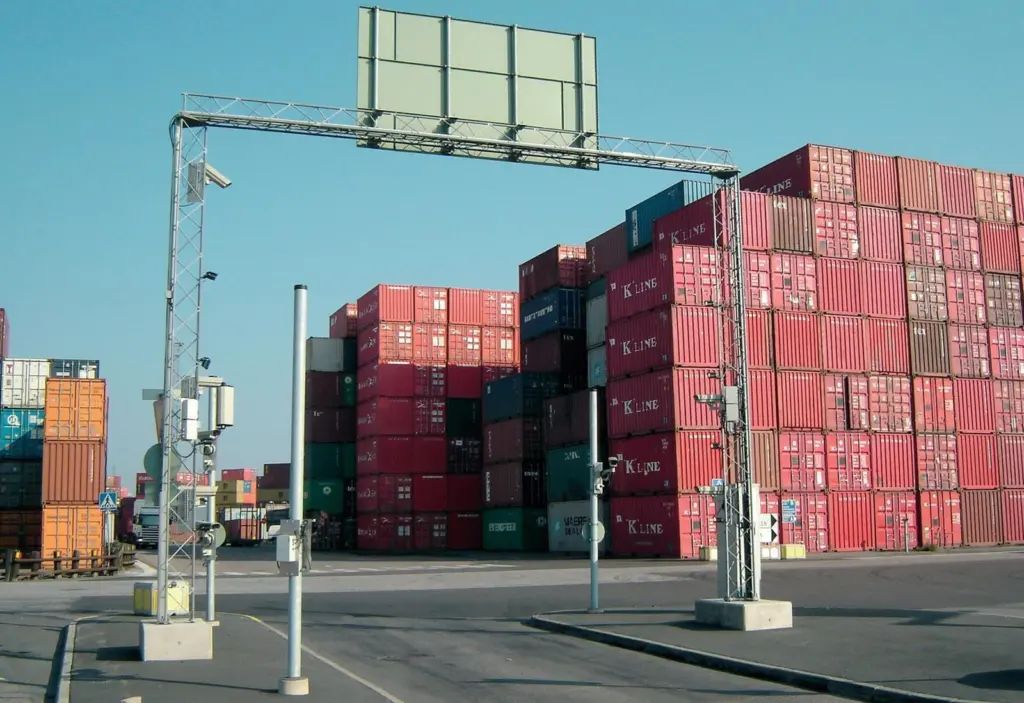
Visy, based in Tampere in Finland, has just supplied the Port of Kotka with what is said to be the largest gate operating system in northern Europe – involving more than 40 lanes and check-points, spread across four different areas.”It is an interesting situation because two competing terminal operators will be using the same system,” says Visy’s John Lund.
“The system had to be designed so each individual terminal operator could access their information but not their competitor’s. It is a situation where two systems could have been sold to two operators but they agreed to work together and take one system, with cost savings.”
Visy is also delivering the advanced gate operating system for the new Helsinki port complex at Vuoasaari.
“Essentially, we provide complete gate operating systems and all of the technologies involved,” says Mr Lund.”Of course, for every operator that is going to be different, because each terminal has its own business process and own way of doing things.” He says the challenge when it comes to designing and implementing gate operating systems is to keep gate time to a minimum. “We need to keep the throughput going.And there is a series of ways we can automate that process – including ticket printout, prebooking, etc.
“Apart from wanting to cut costs, the main priority for customers is throughput capacity.The footprint of a port isn’t generally going to get any bigger. “A port has geographical constraints but wants to increase throughput – so containers are stacked higher in the yard and it needs to reduce time at the gate. For us, that is a challenge.”
But there are valuable options, too, such as the Visy Terminal Gate, which acts as a claims management solution for terminal operators. High-resolution line scan images of each truck and container are captured as the vehicle passes through the gate system and OCR records and stores the vehicle’s licence plate number, container numbers,IMO codes and any other required information.
“This information is stored in a database and can be very significant,”says Mr Lund.”Three months down the road, a terminal might get a call saying ‘this box was damaged and we think your facility is responsible’.” The port can pull up the image and ascertain if the box was,in fact,damaged before it entered the terminal – so that it is not the port’s responsibility.”This can be a huge cost-saving tool for ports,”says Mr Lund.
Related Articles
 CONTAINER & CARGO HANDLING
 CONTAINER & CARGO HANDLING
 BULK HANDLING