![PortStrategy[GreenPort]](https://www.portstrategy.com/wp-content/uploads/2026/09/PortStrategyGreenPort.svg)






Keeping the cargo moving
With no standardised template for grain-handling port design discharge methods and speeds can vary widely, and even the faster ports can hit a brick wall when it comes to onward movement of grains.
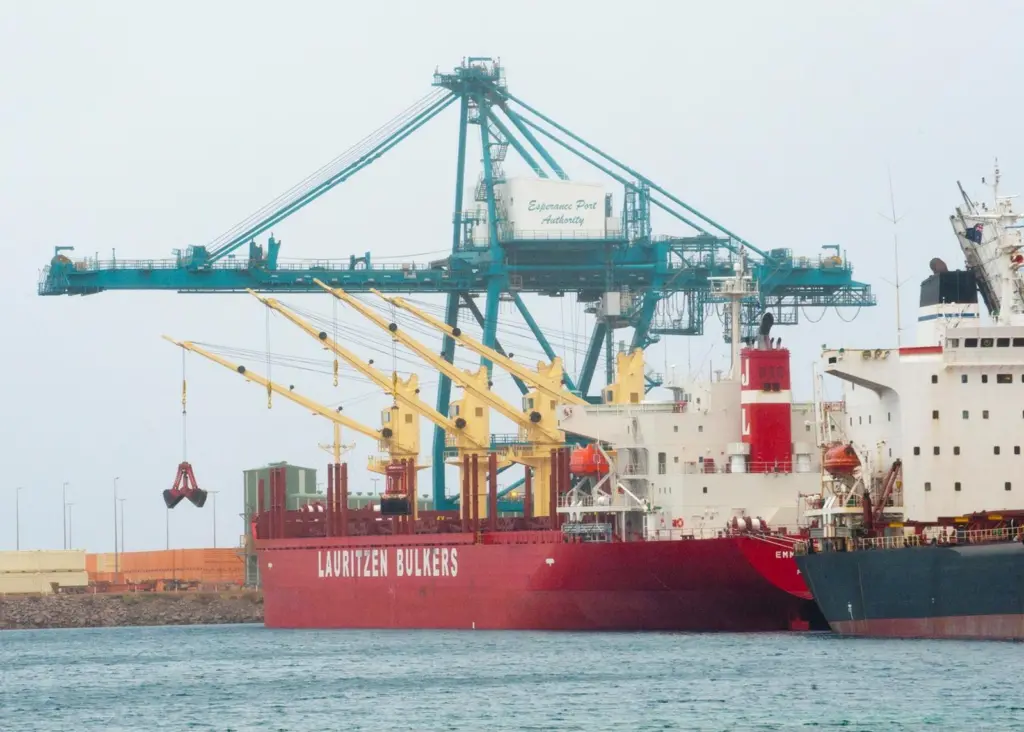
“There are modern discharge and handling facilities at some of the ports in developing countries to receive grains,” says Nectar Group’s James Luther. “However efficiency of such installations can be compromised because of the lack of appropriate logistical arrangements to distribute the cargo once it has been discharged from the vessel.
“The majority of these facilities are built as transit facilities with an aim to discharge the cargo quickly from the ocean going vessels and act as a transit point for distribution thereafter. In reality, the take away of the cargoes from the facility lags behind the capacity of the facility to deliver the cargo.
“This in turn causes problems where the facilities are unable to operate at optimum levels because they are not utilised for the purpose they have been built for and become storage facilities for the clients that they service.”
Another potential problem is that the vessels chartered to carry grain cargoes are not always suitable for the trade they are intended. Mr Luther says: “We still encounter vessels other than bulk carriers, such a tweendeckers or cellular ships being loaded with grain cargoes for the trades. This creates serious problems at the port of discharge where the discharge equipment or facility may not always be able to handle the vessel and extra resources may be required. The performance of the operation is compromised and extra costs are incurred.
“To reduce these problems, the parties involved within the logistics chain need to co-ordinate with each other very closely and seek expert advice and guidance where necessary in relation to selection of the vessels for the intended trade and capabilities of facilities to handle the cargo.
“Traders/sellers need to talk to shippers regarding capabilities of loading port facilities and brokers in terms of suitability of ships to trade to the intended load port. Shipbrokers should acquaint themselves with loading and discharge terminals. Parties need to make sure that the carrier is issued with proper instructions for care of the cargo during the transit.
“The receivers should align their capabilities to that of the discharge facility at the port of discharge for the commodity.”
Related Articles
 CONTAINER & CARGO HANDLING
 CONTAINER & CARGO HANDLING
 BULK HANDLING