![PortStrategy[GreenPort]](https://www.portstrategy.com/wp-content/uploads/2026/09/PortStrategyGreenPort.svg)






Minimal impact from electric trends
One of the growing trends these days for port operators is to use electrification systems for port equipment, with more operators looking to electrical mains power as opposed to diesel.
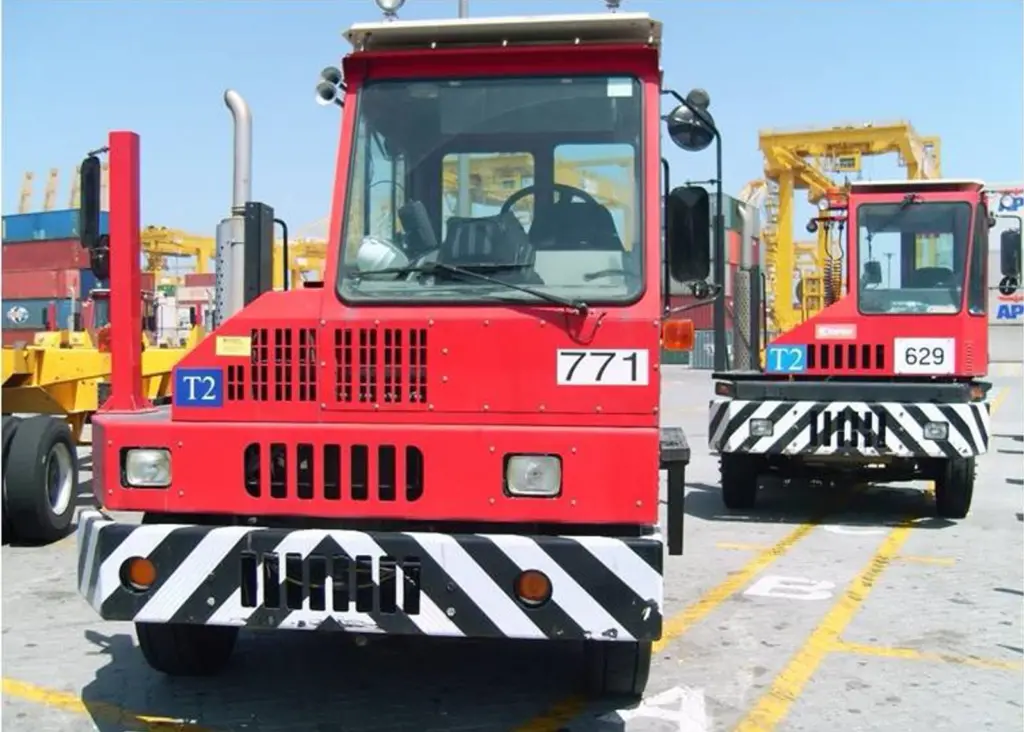
The benefits? These systems can reduce energy emissions and costs. Because normal fossil fuels aren’t required, emission levels will be reduced to zero, saving both money and also improving the air quality around the port.
With respect to tyres, electrification of port equipment should only have marginal impact. “This marginal impact will be felt on the wear and tear and durability of tyres, due to increased pay load weight which is due to heavy electrical cable trailing the machine,” says Kishore Namburi, Michelin’s sales manager for ports and industrial tyres. “The more the load, the faster the tyre wear.”
Baljit Chand, industrial marketing co-ordinator at Continental Tyres, says that: “Electrification today happens mostly on RTG’s; these vehicles don’t do many miles. Generally, a tyre with low rolling resistance improves the carbon footprint by having a direct impact on fuel burn. As a result, tyres do not need to be changed if an existing unit is retrofitted for electric propulsion because the tyre requirements don’t change.”
Related Articles
 CONTAINER & CARGO HANDLING
 CONTAINER & CARGO HANDLING
 BULK HANDLING