![PortStrategy[GreenPort]](https://www.portstrategy.com/wp-content/uploads/2026/09/PortStrategyGreenPort.svg)





Newcastle pioneers queue management
After years of struggling with lengthy vessel queues at anchorage waiting to load coal, it was the grounding of the Pasha Bulker in June 2007 under heavy conditions at Nobbys Beach at Newcastle that finally saw port stakeholders at Newcastle take action.
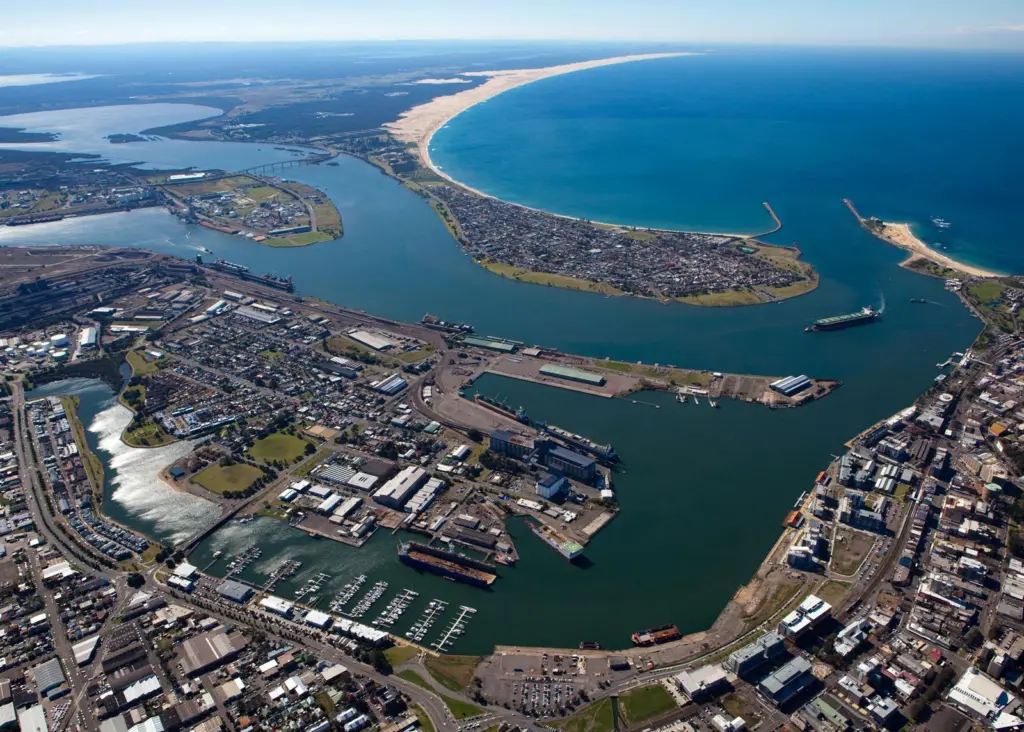
The Australian Transport Safety Bureau’s report into the incident said that with some 56 other ships at anchorage at the time of the storm, it was only luck and outstanding seamanship that prevented many other vessels from suffering the same fate as the Pasha Bulker. The ATSB found that less than a third of vessels were sufficient ballasted for the storm and many vessels moved out of the anchorage dragging anchors in low visibility with numerous collisions only narrowly avoided.
Newcastle Port Corporation’s (NPC) Vessel Arrival System (VAS) was developed in-house from 2009 and came into full operation on 1 June 2010 after more than 18 months of consultation with stakeholders including shipping companies, end users and facility providers.
According to a spokesman for NPC, VAS has improved safety at the port, reduced the number of vessels at anchor during fair weather, and has allowed ships to reduce their carbon emissions by altering the speed at which they travel to Newcastle.
The peak number of vessels queued at Newcastle was recorded at 83 in June 2007 with an average waiting time of 28 days. In the week ending June 20, just 13 vessels were waiting to load coal and the average queue time stood at just over eight days.
The success of the system is now attracting industry-wide attention. “There has been interest from port operators about the progress of VAS,” confirmed the spokesman.
Under VAS, a ship’s place in the queue is nominated by the coal terminal. NPC then provides a 7-day Notified Arrival Time (NAT) which is used to allocate priority in the queue. A vessel can only anchor in the Fair Weather Anchorage off the Port of Newcastle 48 hours prior to its estimated time of loading (ETL) thereby reducing the number of vessels in the anchorage area.
Vessels are tracked by NPC in accordance with the agreed arrival date allowing them to maintain their position in the queue and sail more slowly, thereby saving fuel. “Vessels arrive at anchor with more certainty and close to loading schedules and the vessel queue off the coast of Newcastle has been reduced significantly,” said the spokesman.
NPC is now refining VAS to better align the arrival of vessels at port with cargo assembly.
Asked what advice he would give other ports looking to reduce queues, the spokesman said: “Undertake comprehensive research into current shipping queue problems and the options to remedy the situation. The introduction of any new system requires consultation with all parties and also needs time to work through any issues that arise.”
Related Articles
 CONTAINER & CARGO HANDLING
 CONTAINER & CARGO HANDLING
 BULK HANDLING