![PortStrategy[GreenPort]](https://www.portstrategy.com/wp-content/uploads/2026/09/PortStrategyGreenPort.svg)





Space: the final frontier
Ports handling vehicles are finding more inventive ways to store cars, moving up rather than out. But authorities still find themselves juggling the needs of containers against cars, reports Felicity Landon
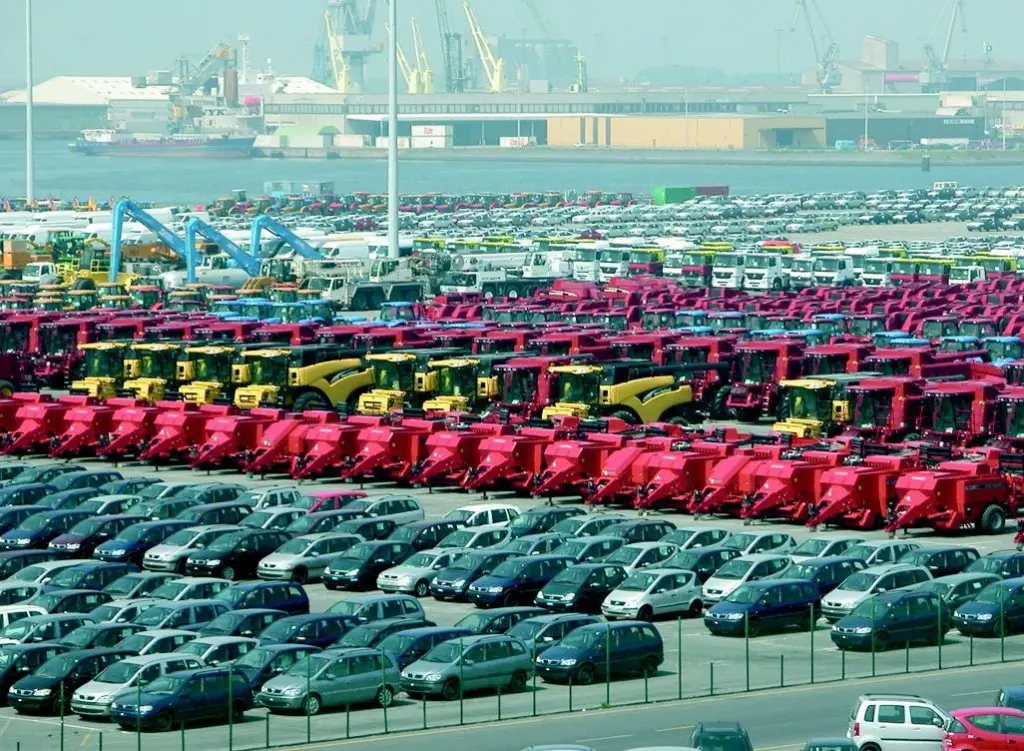
Space is the critical issue for ports handling ever larger numbers of vehicles – and perhaps nowhere more so than in Southampton.
Southampton has historically concentrated on exports, which usually make up about 65% of throughput, while competitors such as Bristol and Sheerness are primarily import ports.
“Exports don’t tend to dwell so long and obviously use and availability of land is paramount to any port. Imports tend to hang around a bit, ” says Ray Facey, Associated British Ports’ assistant port manager at Southampton.
Earlier this year, ABP opened its second multi-storey car terminal at the port, but in fact, throughput at Southampton has remained fairly static over the past two years, reflecting a slow-down in the US market, among others. “We have done reasonably well to keep at our level at the present time, ” says Mr Facey.
When the decision was taken to go ahead with the £4.2m Empress Terminal, trade was heading upwards and another factor was the growth in grey imports from Japan. That trade has, however, dropped off for a number of reasons. In particular, Russia is sucking in secondhand Japanese cars despite the fact that they are right-hand drive.
“That market has fallen into a weaker position, ” confirms Mr Facey.
“But before opening the Empress Terminal we were at times really struggling to find space at peak demands for vehicles.”
While ports can be prepared for the normal February and September peaks, there are other times when the manufacturers will have reasons “to throw lots of volumes at you” and ports have to be prepared for that, he points out.
ABP is in the process of, wherever possible, taking back land that is being used for non port-related purposes within the dock estate at Southampton. Cars are land-hungry, and the port has the needs of the container terminal to consider too.
Land being taken back includes an 11-acre site used by the Post Office, four acres from an old timber company, and another 12 acres from a car filter factory that recently closed down, all in the Western Docks.
Zeebrugge may have the space, but like others it has also moved upwards, its first multi-storey terminal having been recently opened.
This ?8m facility, within the SeaRo Terminal, has four floors with capacity of 1,000 cars per floor and was built for the Mercedes vehicle holding centre. Another recent investment at the port has been the opening by PSA-HNN of the 27-hectare first phase of the new Bastogne Terminal, including a high and heavy zone and PDI centre, on the former bulk terminal area.
“Space is the first element requested – in car decks or ground floor, as long as it isn’t getting too expensive, ” says Zeebrugge managing director Joachim Coens. “We want to keep pace with the development of the terminals so we can continue to offer the necessary area and hold our position in the car trade.
“Ports are sometimes struggling with capacity and having enough land for cars is rather exceptional.”
However, he says, building a multi-storey terminal not only makes best use of the land, it can also bring more efficiency because the cars are all concentrated on a smaller footprint.
“You can have land from here to Brussels, but at the end of the day you have some kilometres driving to the quayside, ” he says. “Secondly, you have to protect the cars. It is a more protective environment in the car decks.”
PS 23Space:
the final frontier ABP is in the process of, wherever possible, taking back land that is being used for non port-related purposes within the dock estate at Southampton. Cars are land-hungry, and the port has the needs of the container terminal to consider too.
Land being taken back includes an 11-acre site used by the Post Office, four acres from an old timber company, and another 12 acres from a car filter factory that recently closed down, all in the Western Docks.
Zeebrugge may have the space, but like others it has also moved upwards, its first multi-storey terminal having been recently opened.
This ?8m facility, within the SeaRo Terminal, has four floors with capacity of 1,000 cars per floor and was built for the Mercedes vehicle holding centre. Another recent investment at the port has been the opening by PSA-HNN of the 27-hectare first phase of the new Bastogne Terminal, including a high and heavy zone and PDI centre, on the former bulk terminal area.
“Space is the first element requested – in car decks or ground floor, as long as it isn’t getting too expensive, ” says Zeebrugge managing director Joachim Coens. “We want to keep pace with the development of the terminals so we can continue to offer the necessary area and hold our position in the car trade.
“Ports are sometimes struggling with capacity and having enough land for cars is rather exceptional.”
However, he says, building a multi-storey terminal not only makes best use of the land, it can also bring more efficiency because the cars are all concentrated on a smaller footprint.
“You can have land from here to Brussels, but at the end of the day you have some kilometres driving to the quayside, ” he says. “Secondly, you have to protect the cars. It is a more protective environment in the car decks.”
PS 23Space:
the final frontier ABP is in the process of, wherever possible, taking back land that is being used for non port-related purposes within the dock estate at Southampton. Cars are land-hungry, and the port has the needs of the container terminal to consider too.
Land being taken back includes an 11-acre site used by the Post Office, four acres from an old timber company, and another 12 acres from a car filter factory that recently closed down, all in the Western Docks.
Zeebrugge may have the space, but like others it has also moved upwards, its first multi-storey terminal having been recently opened.
This ?8m facility, within the SeaRo Terminal, has four floors with capacity of 1,000 cars per floor and was built for the Mercedes vehicle holding centre. Another recent investment at the port has been the opening by PSA-HNN of the 27-hectare first phase of the new Bastogne Terminal, including a high and heavy zone and PDI centre, on the former bulk terminal area.
“Space is the first element requested – in car decks or ground floor, as long as it isn’t getting too expensive, ” says Zeebrugge managing director Joachim Coens. “We want to keep pace with the development of the terminals so we can continue to offer the necessary area and hold our position in the car trade.
“Ports are sometimes struggling with capacity and having enough land for cars is rather exceptional.”
However, he says, building a multi-storey terminal not only makes best use of the land, it can also bring more efficiency because the cars are all concentrated on a smaller footprint.
“You can have land from here to Brussels, but at the end of the day you have some kilometres driving to the quayside, ” he says. “Secondly, you have to protect the cars. It is a more protective environment in the car decks.”
PS 23Space:
the final frontier ABP is in the process of, wherever possible, taking back land that is being used for non port-related purposes within the dock estate at Southampton. Cars are land-hungry, and the port has the needs of the container terminal to consider too.
Land being taken back includes an 11-acre site used by the Post Office, four acres from an old timber company, and another 12 acres from a car filter factory that recently closed down, all in the Western Docks.
Zeebrugge may have the space, but like others it has also moved upwards, its first multi-storey terminal having been recently opened.
This ?8m facility, within the SeaRo Terminal, has four floors with capacity of 1,000 cars per floor and was built for the Mercedes vehicle holding centre. Another recent investment at the port has been the opening by PSA-HNN of the 27-hectare first phase of the new Bastogne Terminal, including a high and heavy zone and PDI centre, on the former bulk terminal area.
“Space is the first element requested – in car decks or ground floor, as long as it isn’t getting too expensive, ” says Zeebrugge managing director Joachim Coens. “We want to keep pace with the development of the terminals so we can continue to offer the necessary area and hold our position in the car trade.
“Ports are sometimes struggling with capacity and having enough land for cars is rather exceptional.”
However, he says, building a multi-storey terminal not only makes best use of the land, it can also bring more efficiency because the cars are all concentrated on a smaller footprint.
“You can have land from here to Brussels, but at the end of the day you have some kilometres driving to the quayside, ” he says. “Secondly, you have to protect the cars. It is a more protective environment in the car decks.”
PS 23Space:
the final frontier ABP is in the process of, wherever possible, taking back land that is being used for non port-related purposes within the dock estate at Southampton. Cars are land-hungry, and the port has the needs of the container terminal to consider too.
Land being taken back includes an 11-acre site used by the Post Office, four acres from an old timber company, and another 12 acres from a car filter factory that recently closed down, all in the Western Docks.
Zeebrugge may have the space, but like others it has also moved upwards, its first multi-storey terminal having been recently opened.
This ?8m facility, within the SeaRo Terminal, has four floors with capacity of 1,000 cars per floor and was built for the Mercedes vehicle holding centre. Another recent investment at the port has been the opening by PSA-HNN of the 27-hectare first phase of the new Bastogne Terminal, including a high and heavy zone and PDI centre, on the former bulk terminal area.
“Space is the first element requested – in car decks or ground floor, as long as it isn’t getting too expensive, ” says Zeebrugge managing director Joachim Coens. “We want to keep pace with the development of the terminals so we can continue to offer the necessary area and hold our position in the car trade.
“Ports are sometimes struggling with capacity and having enough land for cars is rather exceptional.”
However, he says, building a multi-storey terminal not only makes best use of the land, it can also bring more efficiency because the cars are all concentrated on a smaller footprint.
“You can have land from here to Brussels, but at the end of the day you have some kilometres driving to the quayside, ” he says. “Secondly, you have to protect the cars. It is a more protective environment in the car decks.”
PS 23Space:
the final frontier ABP is in the process of, wherever possible, taking back land that is being used for non port-related purposes within the dock estate at Southampton. Cars are land-hungry, and the port has the needs of the container terminal to consider too.
Land being taken back includes an 11-acre site used by the Post Office, four acres from an old timber company, and another 12 acres from a car filter factory that recently closed down, all in the Western Docks.
Zeebrugge may have the space, but like others it has also moved upwards, its first multi-storey terminal having been recently opened.
This ?8m facility, within the SeaRo Terminal, has four floors with capacity of 1,000 cars per floor and was built for the Mercedes vehicle holding centre. Another recent investment at the port has been the opening by PSA-HNN of the 27-hectare first phase of the new Bastogne Terminal, including a high and heavy zone and PDI centre, on the former bulk terminal area.
“Space is the first element requested – in car decks or ground floor, as long as it isn’t getting too expensive, ” says Zeebrugge managing director Joachim Coens. “We want to keep pace with the development of the terminals so we can continue to offer the necessary area and hold our position in the car trade.
“Ports are sometimes struggling with capacity and having enough land for cars is rather exceptional.”
However, he says, building a multi-storey terminal not only makes best use of the land, it can also bring more efficiency because the cars are all concentrated on a smaller footprint.
“You can have land from here to Brussels, but at the end of the day you have some kilometres driving to the quayside, ” he says. “Secondly, you have to protect the cars. It is a more protective environment in the car decks.”
PS 23Space:
the final frontier ABP is in the process of, wherever possible, taking back land that is being used for non port-related purposes within the dock estate at Southampton. Cars are land-hungry, and the port has the needs of the container terminal to consider too.
Land being taken back includes an 11-acre site used by the Post Office, four acres from an old timber company, and another 12 acres from a car filter factory that recently closed down, all in the Western Docks.
Zeebrugge may have the space, but like others it has also moved upwards, its first multi-storey terminal having been recently opened.
This ?8m facility, within the SeaRo Terminal, has four floors with capacity of 1,000 cars per floor and was built for the Mercedes vehicle holding centre. Another recent investment at the port has been the opening by PSA-HNN of the 27-hectare first phase of the new Bastogne Terminal, including a high and heavy zone and PDI centre, on the former bulk terminal area.
“Space is the first element requested – in car decks or ground floor, as long as it isn’t getting too expensive, ” says Zeebrugge managing director Joachim Coens. “We want to keep pace with the development of the terminals so we can continue to offer the necessary area and hold our position in the car trade.
“Ports are sometimes struggling with capacity and having enough land for cars is rather exceptional.”
However, he says, building a multi-storey terminal not only makes best use of the land, it can also bring more efficiency because the cars are all concentrated on a smaller footprint.
“You can have land from here to Brussels, but at the end of the day you have some kilometres driving to the quayside, ” he says. “Secondly, you have to protect the cars. It is a more protective environment in the car decks.”
PS
Related Articles
 CONTAINER & CARGO HANDLING
 CONTAINER & CARGO HANDLING
 BULK HANDLING