![PortStrategy[GreenPort]](https://www.portstrategy.com/wp-content/uploads/2026/09/PortStrategyGreenPort.svg)





UK energy capital prepared and proud
Milford Haven brands itself as the ‘energy capital of the UK’, handling 25% of the nation’s petrol and diesel provisions.
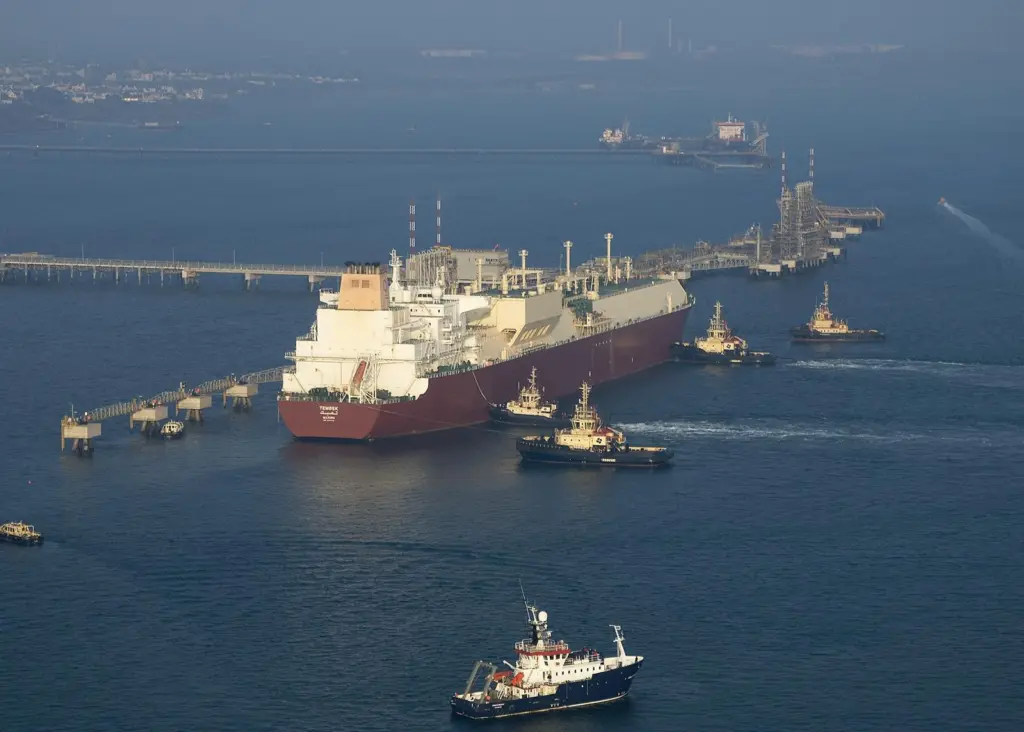
And with two liquefied natural gas facilities commissioned on the Haven within the past two years, the need for detailed emergency planning and business continuity planning is obvious.
Perhaps it’s unfair to mention this, but the port is also famous for the pollution disaster of the Sea Empress in 1996 – something which led to wholesale changes in the way emergency procedures and oil pollution response are organised in the UK.
Milford Haven Port Authority has in place its oil pollution contingency plan, a statutory requirement by the UK Maritime and Coastguard Agency, and its own port emergency plan, which covers incidents such as fire, explosion or grounding.
Its own plans were completely overhauled in advance of the opening of the South Hook and Dragon LNG terminals in 2009, says Tom Lester, assistant harbour master (planning).
As the LNG plans were moving ahead, there were regular meetings with the Health & Safety Executive, the local resilience forum and others. Certain protocols were agreed; if there were to be a crisis, everyone knows who should phone who. Exercises were organised to ensure the plans worked smoothly. “Communication is all laid down and agreed by all the agencies, so they will all gel,” says Mr Lester.
The port emergency plan includes a simple checklist of about a dozen key actions or calls to make; Tom Lester carries with him a small booklet which includes this checklist. “You don’t want to be picking up a big file and wondering which page to go to,” he says. “This little crib sheet is ideal; it is quite generic, with a tick box for each action taken and what time it was taken.”
MHPA carried out a full-scale emergency exercise in October “and a few things came out of that”, he says. “We are always finding things that can be improved upon. Last winter (09-10), for example, we had to deal with severe weather and as a result we have put in place things like inflatable mattresses and a store of food, and identified centrally placed people who can get into work.”
The emergency plan goes through an annual external audit and is regularly refreshed, he adds.
“The priorities remain the same: safety of people and then the environment. Commercial aspects would be fairly well down most lists until the incident is under control. In an emergency we would stop the refineries as necessary, close down the port, and not reopen until we were satisfied that the situation was under control.”
Related Articles
 CONTAINER & CARGO HANDLING
 CONTAINER & CARGO HANDLING
 BULK HANDLING