




A matter of visibility
At present, when people talk about ‘supply chain visibility’ they tend to mean the container itself, and not the cargo within. However, a new project aims to take the lid off this opacity.
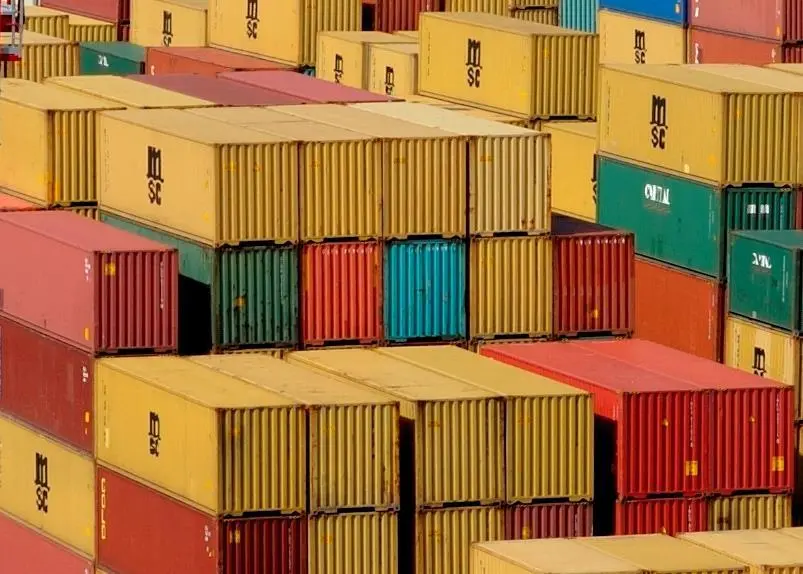
“So far, the picture is actually very fragmented,” Shirley Arsenault of GS1 tells Port Strategy, “You can’t go to one source and it usually stops at the level of the container: you can’t see what’s inside.”
The intent of the Cassandra project is to provide an all-in-one information source taken from the other systems in use, ‘piggy-backing’ on data already available and using both bar codes and Radio Frequency Identity (RFID) tags, which are read as the container is packed then sealed. “So, you know what’s gone into the box at point of entry,” says Ms Arsenault.
Immediately obvious benefits seem to cover a lot of ground: besides a reduction in paperwork, risk assessments could become much more tailored so customs officials can target more suspicious cargo – a blessing for ports not able or willing to scan all of its boxes in real time.
Further, since customer’s empties awaiting return to the port show up as an alert, charges for overdue boxes are reduced.
There are also specific gains to be expected for ports with associated economic zones as even simple RFID and electronic seals have been shown to reduce administrative and security burdens.
But business will also benefit as the interface will allow a port, customer or logistics operator to pinpoint exactly where an item is at any point along its route.
Related Articles
 EQUIPMENT
 EQUIPMENT