



Getting on with ANNA
The ANNA project was born out of the frustration of EU member states that claimed they didn’t have the clarity they needed in connection with Directive 2010/65, enforcing the Single Window concept. It started out as a working group and was later established as a project co-financed by the EU to support implementation of the directive.
“Directive 2010/65 has caused a lot of confusion – interpreting how this directive should be implemented is the first hurdle for any member state, to first understand what it actually means,” says Dr Phanthian Zuesongdham, e-maritime coordinator in Hamburg Port Authority’s services and innovation business unit. She represents Germany’s ministry of transport as an observer in ANNA.
ANNA was set up as a ‘both-feet-on-the-ground’ initiative, and brings together 14 EU member states.
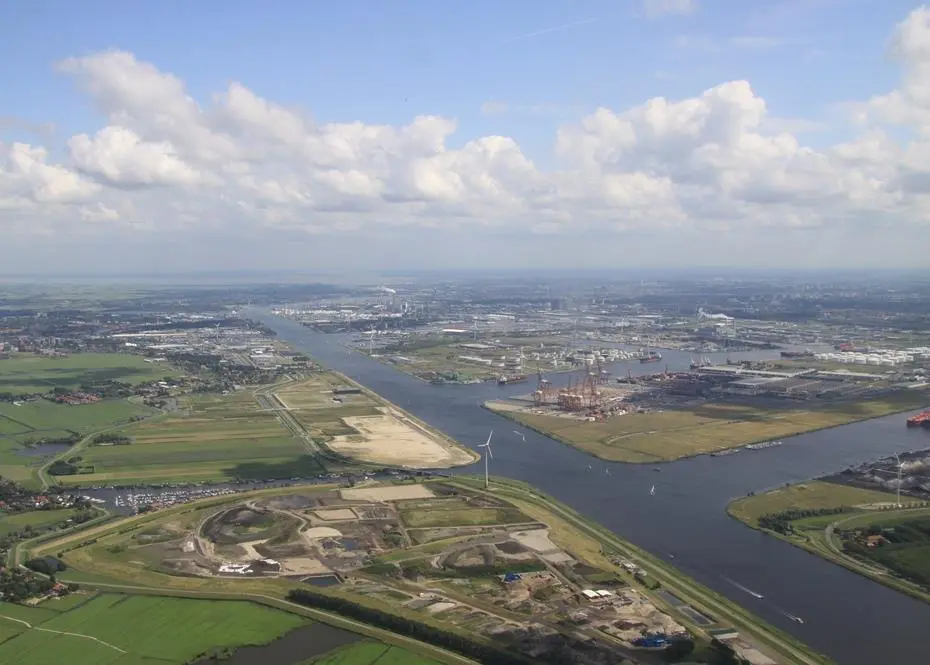
Of course, some countries are further ahead with the Single Window concept than others – the Netherlands, notably, is ahead of the pack, having started on implementation several years ago.
“Even though it is difficult, most of the member states are really putting all their efforts into implementation and realise all the requirements,” says Dr Zuesongdham. If things became critical, then the ANNA members would inform the EC that it isn’t possible to meet the June 2015 deadline, and would recommend a postponement, she says. “But we are trying to do everything now to meet the deadline.”
A key point, she says, is making the definition of Single Window a broad one, so any kind of model already existing in ports should be allowed, assuming it can be adapted to meet the requirements.
Related Articles
 EQUIPMENT
 EQUIPMENT