






MIRA aims to make ports safer
MIRA, a UK engineering company specialising in delivering automotive technology to the defence sector, is exploring port security as a potential commercial market.
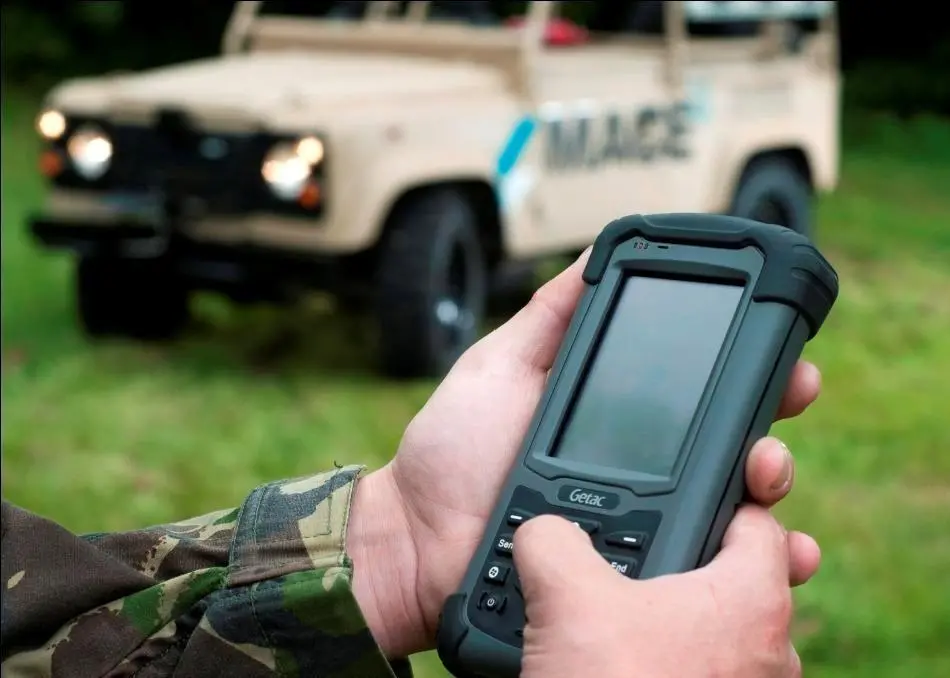
The company is a pioneer in unmanned ground vehicle (UGV) expertise, which it says can be used by ports and operators as an effective “countermeasure” to safety and security threats.
MIRA’s Autonomous Control Equipment System (MACE) has the potential to turn any vehicle into one that can be operated remotely and autonomously from a location up to 20km away. It enables perimeters to be monitored both visually and through surveillance software individually tailored to suit the task at hand. This not only reduces risk to personnel but enables 24/7 operation, dead ground surveillance and greater distances to be patrolled without shift changeovers reducing down time.
Moreover, “because MACE enables a vehicle to perform a task remotely, a loader or crane vehicle could be retrofitted to perform these tasks too”, a MIRA spokesperson explained to Port Strategy.
The company can work with a customer to agree the requirements of a vehicle’s operation and devise a bespoke MACE solution.
MACE is not yet in operation anywhere commercially – this is because it was developed for use by the British Army and there have been rules preventing MIRA from selling (or even talking about it) publicly which have only just been lifted.
But It’s an interesting concept for ports and operators – especially as the trend is to move closer to fully automated operations.
And as a security solution it’s interesting, because these threats are very real. The US Senate recently tasked its department of homeland security with investigating the weaknesses in its port security and make recommendations to tackle them.
Furthermore, it is estimated that cargo crime – such a theft or sabotage – is estimated to cost companies $650bn a year. MIRA argues that increased security measures could reduce the chances of culprits evading detection down to as low as 9%.
Related Articles
 EQUIPMENT
 EQUIPMENT