




Montreal to harness green gains with portcentric model
For the Montreal Gateway Terminals Partnership (MGT), the portcentric concept makes a lot of sense – as long as there are multiple contents in the container, says chief executive Kevin Doherty.
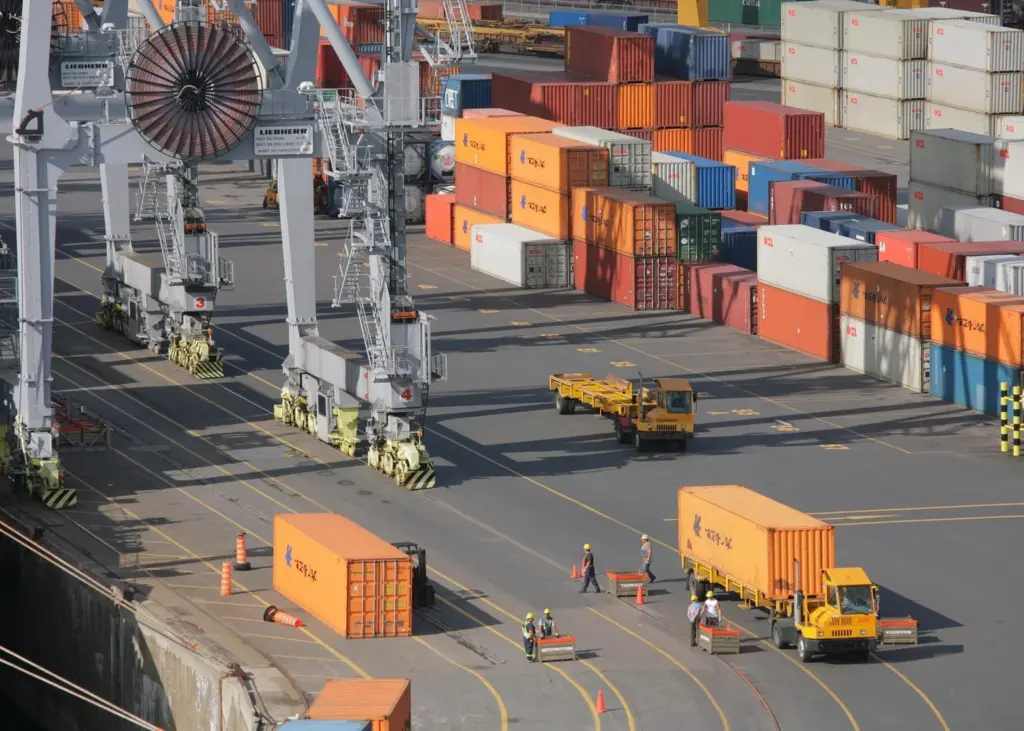
“If you have one customer destination, and this customer is within 200 to 300 miles of the port, then it only makes sense to deliver the container directly to them, because labour and unstuffing at the port would be more expensive,” he says. “However, if you have multiple contents going into multiple destinations, then it makes a lot of sense to do a one-stop-shop and unpack the cargo as close as possible to the quay.
“Ports always used to stuff/unstuff in close proximity to the dock – it is a very old concept, the way it used to be. The industry suddenly decided to put goods into containers, with security and theft issues being a major driver there, but now we seem to be going back over the route because of fuel costs, etc.”
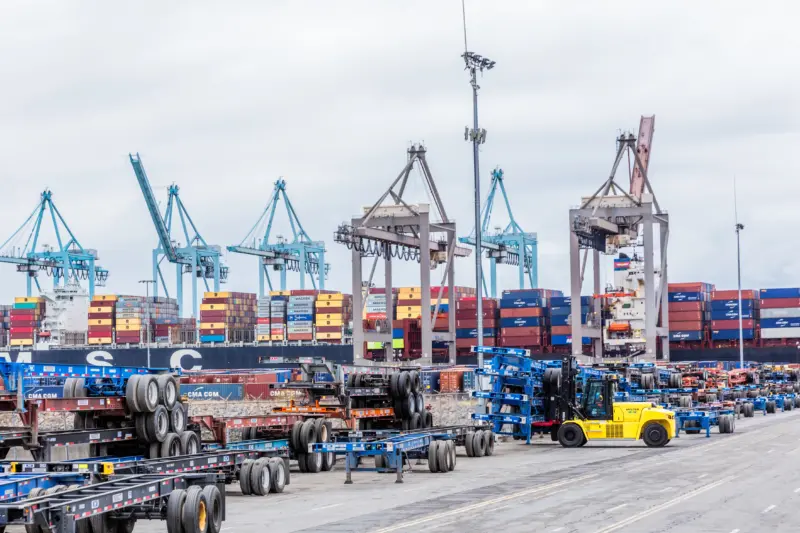
MGT is looking closely at opportunities to develop portcentric business but land is the challenge. Like so many ports, the docks are close to residential areas. “You need to build warehousing and create truck space but it is very difficult to find a piece of land adjacent to the piers – and if you can, you can guarantee that as waterfront property, it will be the most expensive real estate.”
Mr Doherty says MGT has been approached by a good number of shippers that are interested in developing portcentric solutions which make sense from an environmental and fuel economy point of view. “We have been working on this now for a couple of years. Number one is finding a piece of land to do it, and number two is making sure it has rail access; and slowly, it is coming together.
“Some call it portcentric, others call it a hub. But certainly, for many products, portcentric is a very viable option.”
Related Articles
 EQUIPMENT
 EQUIPMENT
 EQUIPMENT