![PortStrategy[GreenPort]](https://www.portstrategy.com/wp-content/uploads/2026/09/PortStrategyGreenPort.svg)


Mooring system innovation
This second part review of the Safe Mooring Seminar organised jointly by TT Club and Port Strategy focuses on the technical products and systems that are fundamental to safe and efficient mooring
To kick off the technical session there was an interesting presentation on three problem areas by Will Brindley, Lead Naval Architect, Apollo Engineering. These comprised: line failure causes; snapback and offshore energy quayside mooring risks. Key problem areas were identified – by way of example the potential lethal consequences of snapback – a rope tip can travel at 230m per second (515mph) and has the potential to severely deform 50mm scaffold poles. Various scenarios were presented in all three categories and three key factors identified common to implementing effective solutions: sound design, good maintenance and mitigation and protective measures in order to reduce risk.
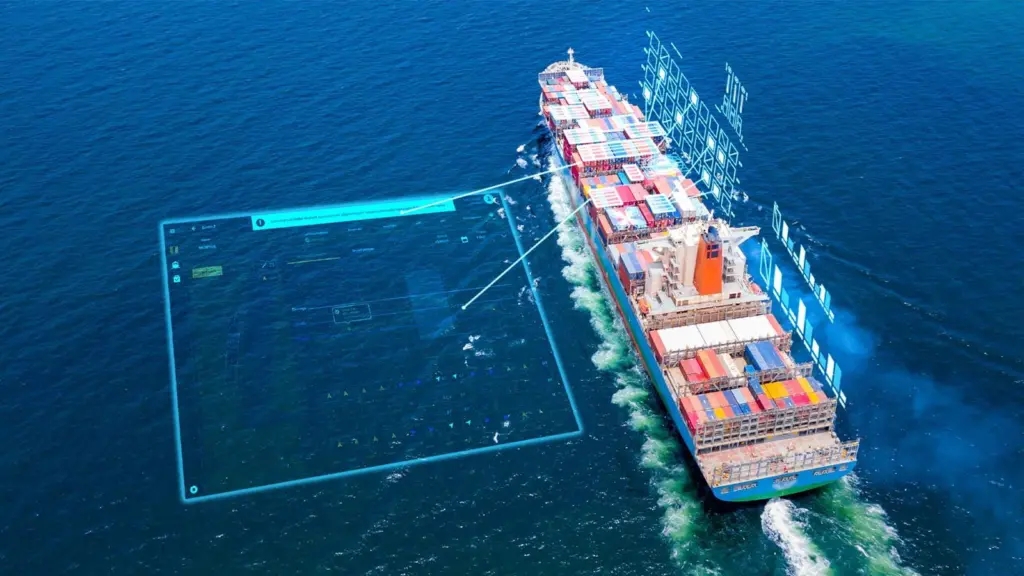
The next presentation came from Royal HaskoningDHV with the focus on smart mooring – a system that is essentially a software application that actively warns the port operator or ship’s captain of potentially unsafe situations for a moored vessel. Smart Mooring, as the system is called, is able to predict mooring forces and a ship’s motions days in advance “by combining calculations and forecast weather (wind & waves). It delivers actionable insights to decision makers.
BollardScan was next up, the specialist company focusing on the testing of mooring equipment. A revealing insight was provided into bollard failure, the multiple causes of this, and how bollard testing in the field – checks for cracks and grooves, porosity, system capacity, anchor integrity and structural integrity – can maximise safety and efficiency across the board. Further, the company presented case studies where it had identified the incorrect torquing of bollards, incorrect installations, provided advice on the integrity of installations including the feasibility of bollard replacement which in certain cases was not possible as well as general audit work.
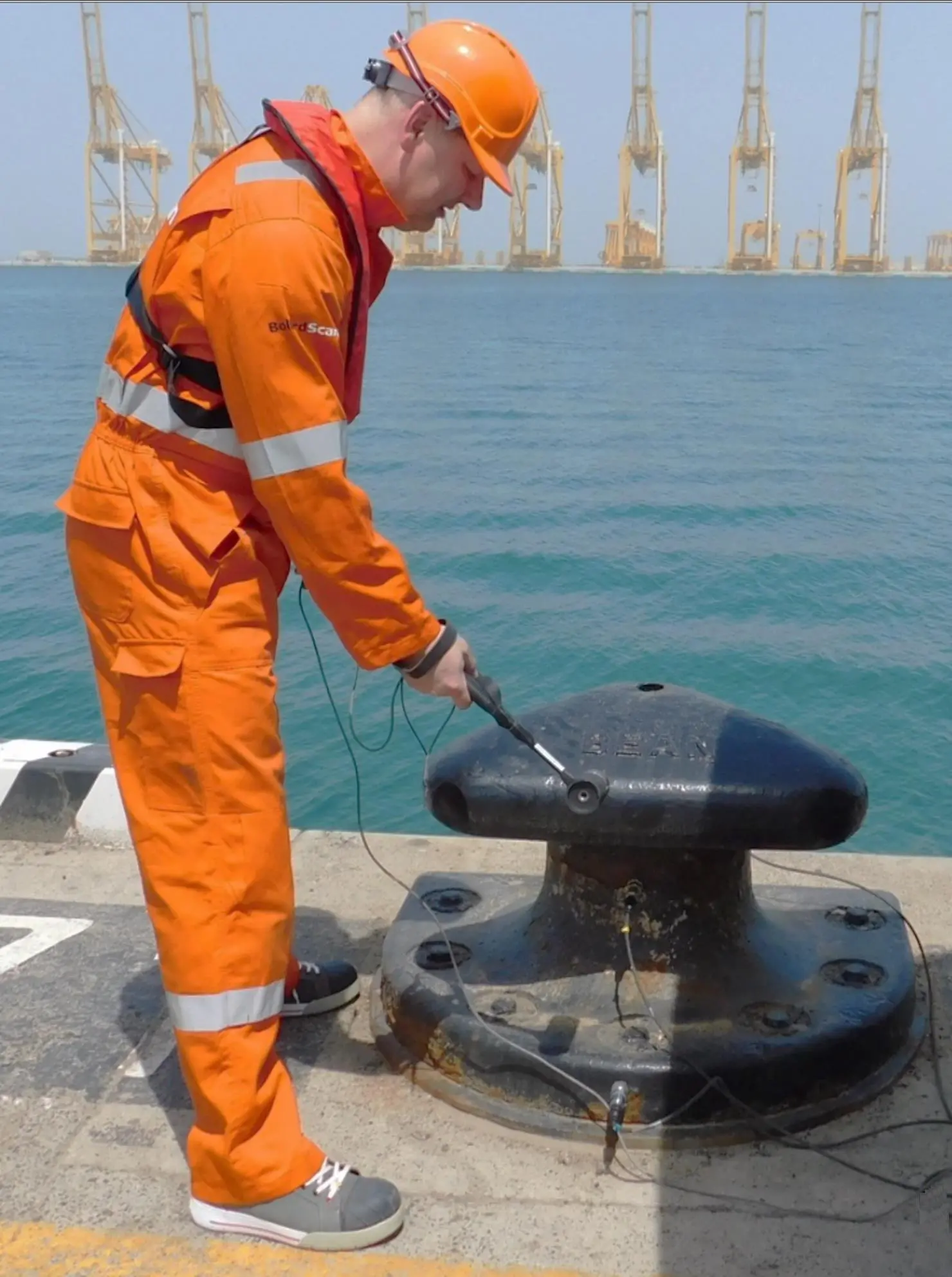
Other service capabilities were also discussed by BollardScan including smart bollard and quayside monitoring. This, the company explained, can be done via sensors to monitor deformations, movements and the overall integrity of bollards and quayside structures.
The following three presentations focused on new generation mooring systems – Cavotec’s automated Moormaster system, Straatman’s Quick Release Mooring Hooks, Berthing Approach System and Smart Bollards, and
Trelleborg’s docking and mooring product lines which included the company’s automated mooring systems. All three companies and their respective product lines have been reviewed previously in Port Strategy.
All the technical presentations were received with great interest and all signalled the positive role that innovative technology can play in achieving safe and efficient mooring. Several also signposted the expanding role that digital and other modern era technology can play in optimising the berthing process.
The Safe Mooring Seminar was generally seen as a successful event by the attendees. It was seen to fill an information gap and as such confirmed as an event that it would be useful to repeat as and when further interesting developments emerge. In this respect TT Club and Port Strategy will continue to monitor the sector and assess the feasibility of another seminar.
Related Articles
 CONTAINER & CARGO HANDLING
 CONTAINER & CARGO HANDLING
 EQUIPMENT