




P3 alliance scrapped
Maersk Line says that the P3 shipping alliance has been scrapped following non-approval by the Ministry of Commerce (MOFCOM) in China under the country’s merger control rules.
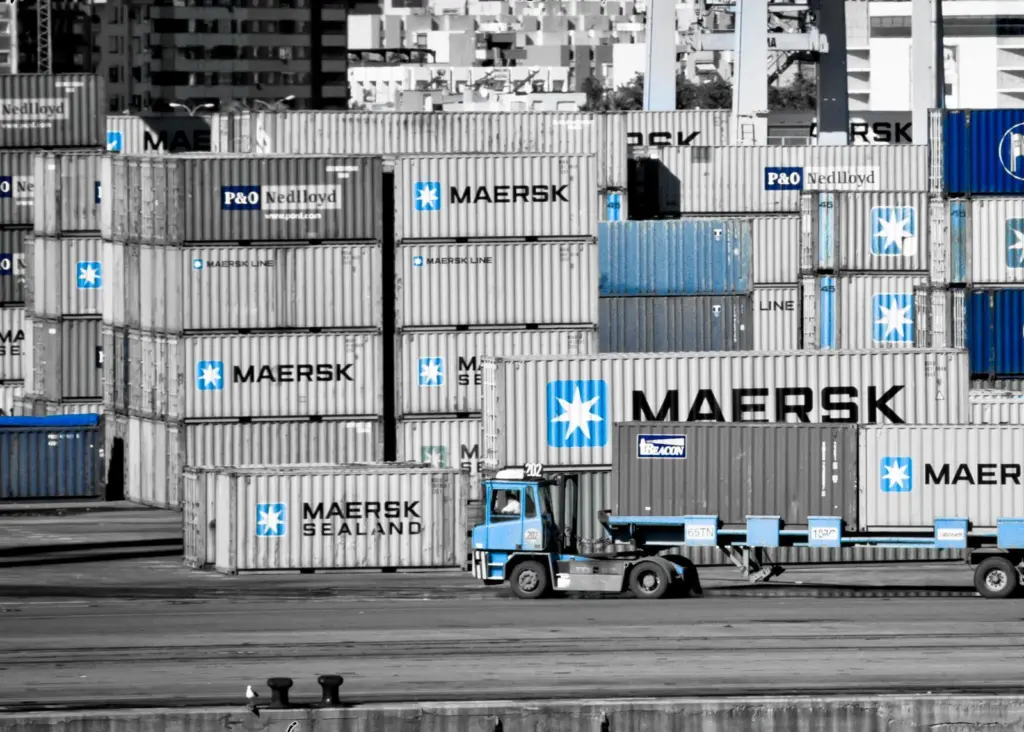
P3 was a long term operational sharing agreement originally proposed by Maersk Line, MSC and CMA CGM back in June 2013, but it has been taking a long time to come to fruition because it has had to gain regulatory approvals from Europe, the US and China.
Vincent Clerc, chief trade and marketing officer, Maersk Line, said: “The decision does come as a surprise to us, of course, as the partners have worked hard to address all the regulators’ concerns.”
But he added that Maersk will still accomplish further reductions in cost and emissions and improve its services to customers with a more efficient network – with or without the network.
But how much will this decision impact the industry and what will it mean for ports and terminals?
Neil Davidson, senior analyst – ports and terminals, Drewry, told Port Strategy that the decision in some ways won’t change anything because Maersk, CMA CGM and MSC are already market leaders.
“The abandonment of the P3 just means that they won’t be able to get the extent of cost leadership they envisaged. However, it does raise the question of whether each individual line of the three will have enough volume to fill the size of ships they have been building and ordering,” he said.
He said that for ports and terminals, it means that instead of negotiating with the P3, they will continue to largely negotiate with the individual carriers. It’s worthwhile noting that for US trade routes, the P3 wasn’t going to be able to negotiate as an alliance with ports and terminals anyway.
Mr Davidson added: “It also means though that the provisional network of port calls that P3 had planned won’t now happen, and so all talk of winners and losers is off.”
However, there is still plenty of uncertainty surrounding the issue. Could two of the three lines form a kind of P2 alliance for example? Or could there be moves to involve one or both of the big Chinese lines in some kind of alliance, in order to establish a better position with the Chinese authorities? These are both possibilities.
“Although the P3 story seems to be ending here, it may not be the final chapter,” Mr Davidson concluded.
Related Articles
 EQUIPMENT
 EQUIPMENT