


PATCH workshop reveals blue energy potential
Exploring the potential of wave and tidal power, or blue energy, for ports was the agenda of the recent PATCH workshop held recently in Ramsgate, UK.
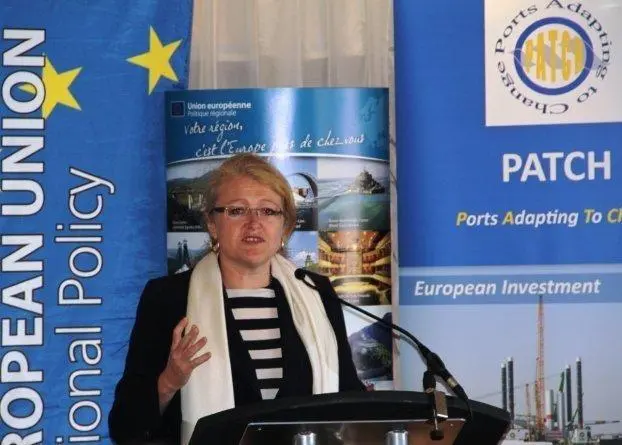
The workshop centred around what blue energy is and barriers and opportunities to commercial blue energy development for European ports in the long term.
During the workshop, Laura Sandys, MP for Thanet, gave a talk based on the Parliamentary Select Committee on Energy and Climate Change report of February 2012 on the ‘Future of marine renewables in the UK.’
Her talk covered the three main problem areas – bureaucratic, financial and practical. Bureaucratic meaning the number of relevant bodies and organisations with no simple process to follow. Financial, meaning the current climate and the potential of future support for marine renewables, especially after 2017. Practical problems include access to grid connections, planning and consenting processes and the need for a suitably skilled workforce.
Tom Howes of DG Energy gave a presentation on the wider EU strategy and drew attention to the possibility of EU funding filling some of the funding gaps. Other speakers included David Krohn of Renewable UK and Johnny Gowdy and Lars Johanning with a talk on transferable experience from the South West Marine Energy Park and the Wave Hub.
The afternoon session was more technical and included the various marine energy devices currently being tested. Tidal Energy Ltd, Pulse Tidal Ltd and Eco Wave Power all gave presentations. During the discussion the wide range of opportunities available to ports became more apparent, including construction and maintenance of large offshore tidal stream plants, with opportunities for ports similar to those realised in the support of offshore wind farms. At the other end of the spectrum small wave and tidal devices which can make small contributions to the power used by the port in normal operations.
Howard Holt from Seeports, told Port Strategy that the take home message from the workshop was that the industry is still emerging, with a lot of innovation and a plethora of devices coming forward – but not all will achieve commercial sucess. He stressed it is important that the overall cost of energy generation from marine renewables is brought down to a competitive level.
There is an expressed concern that the UK will be over cautious in the development of the industry and that this will drive investment to other countries.
Mr Holt added: “Following this workshop, a number of ports are now actively considering whether the installation of small wave or tidal generators would be of value as a part of their efforts to become greener.”
Hosted by Thanet District Council, the workshop was part of the PATCH (Ports Adapting to Change) project.
Related Articles
 EQUIPMENT
 EQUIPMENT