![PortStrategy[GreenPort]](https://www.portstrategy.com/wp-content/uploads/2026/09/PortStrategyGreenPort.svg)





REFINING VESSEL ARRIVAL
Nick Labrosse, Sales & Marketing Director of Trelleborg’s marine and infrastructure operation, explains how to maximise vessel docking and mooring efficiency throughastute equipment maintenance and staff training.
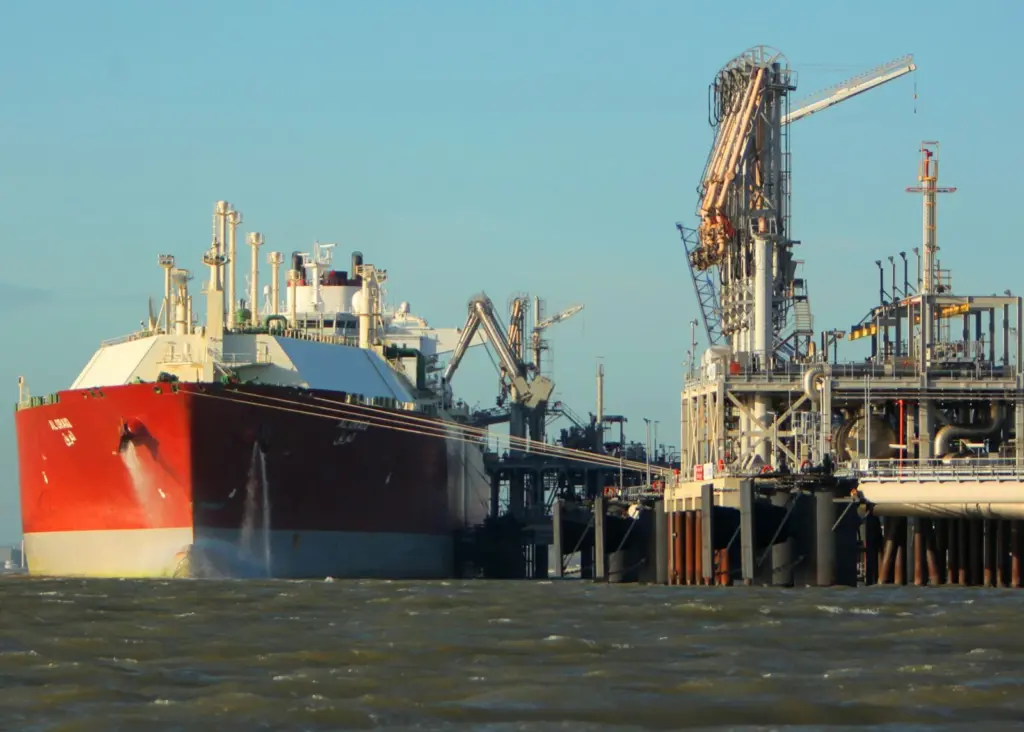
To meet industry standards, port owners must prioritise frequent and thorough servicing, maintenance checks of docking and mooring equipment and ensure staff receive the latest training. These steps can help avoid unplanned downtime that can impact vessel throughput levels and revenue, while extending the design life of mooring products, improving operational costs and eliminating health and safety risks.
The pitfalls of insufficient preventative measures within docking and mooring operations are well known within the maritime industry. Human error due to improperly trained staff and equipment failure following poor maintenance programmes can have serious consequences. The UK Protection and Insurance Club (UK P&I) reports that over the past 20 years, of the 58 per cent of injuries that occurred during mooring operations, six per cent were due to equipment failure[1]. Additionally, in recent years a rise in mooring incidents due to insufficiently trained crew has been reported[2].
REGULAR SERVICE AND MAINTENANCE
Until around 20 years ago, there were no official standards set in place to organise effective equipment maintenance. Port owners would take advice from manufacturers and incorporate their recommendations as guidance. Now, industry bodies such as the Oil Companies International Marine Forum (OCIMF) and the World Association for Waterborne Transport Infrastructure (PIANC) update health and safety guidelines for mooring equipment regularly, recommending minimum requirements based on the latest industry practices.
It is ultimately down to the port owner or operator and its management of critical operating equipment to prevent issues occurring. Regular maintenance and servicing will reduce equipment downtime, unplanned service activities, maximise product lifespan, improve productivity, manage risk and reduce the total cost of ownership (TCO).
There are many servicing and maintenance checks available. Owners must initially assess the criticality of an item defined by looking at the probability and consequence of failure, to establish which service is required. This information can also facilitate, alongside industry guidelines, selection of the correct servicing intervals, either monthly, quarterly, half-yearly or yearly.
In some instances, onsite inspections (virtual or in person) may help to best understand maintenance and servicing needs. Industry experts, such as original equipment manufacturers (OEM’s), are invaluable resources, as this in-depth equipment knowledge can help maintenance crews better understand how to maximise operational outcomes.
Equipment may also need replacement parts, so conducting regular spare part audits is advisable to ensure inventory is up to date. As an example, exchanging hook load cells yearly to comply with the annual calibration recommendations within The Jetty Maintenance & Inspection Guide (JMIG) by the Society of International Gas Tanker and Terminal Operators (SIGTTO) and OCIMF, is recommended.
As ports become more autonomous, owners must also take technology-driven equipment into account when arranging such reviews and checks. This equipment can require more regular maintenance, such as cybersecurity checks, system communications checks and software updates. However, updated smart technology and running regular remote diagnostics means operations will benefit from better data and analysis, reliable operation, improved systems connectivity, and safer connections.
CREW AND REFRESHER TRAINING
Maritime jobs, by their very nature, are physically and psychologically demanding, especially roles on docks which often involve the use of heavy machinery and hazardous materials – an environment where accidents can happen.
The UK P&I Club reports that of the serious injuries that occur during mooring incidents, 14 per cent result in death[3]. One such incident in Asia saw a crew member killed after being struck by a mooring rope. Upon review, it was established that this was caused, in part, due to a lack of training to enhance operational safety awareness.[4]
With the inclusion of regular training within port operations, many accidents that are the result of negligence from overlooking safety procedures and failure to train staff sufficiently, can be avoided. Having properly trained staff allows them to utilise equipment to its fullest capacity. Owners then know that staff can safely, correctly and effectively operate and maintain docking and mooring equipment.
There are a variety of training programmes available that cater for different levels of experience. These range from personnel who only require an overview of systems, to full refresher training for all operators and maintenance crews. Staff need new or refresher training on correct installation and operation of equipment, sufficient jetty walkthroughs, safe working practices and detailed maintenance procedures, for example. When it comes to managing of smart technology at ports, staff must be educated how to operate all systems effectively and safely and to understand central system configurations.
NEGLECTED EQUIPMENT AND INSUFFICIENT TRAINING
Certain equipment is critical for port operations. Owners need to assess and establish what parts of their equipment can stop port operations if they were to fail, or if they did not have spares to hand.
Neglecting maintenance can also result in knock-on effects within operations. If the integrated monitoring system at a berth with Quick Release Hooks (QRHs) failed, for example, and remote release was not possible, manual release would have to occur on each QRH. A time-consuming job and one that will not have been factored into the schedule.
There can also be instances where neglected ports begin to decay, remotely located ports/berths and multiuser berths can sometimes be the casualties in this instance. In the case of multiuser berths, which vessels rent for the time they are berthed, often the port and equipment are not well maintained due to frequency of use.
It is imperative to have a clear understanding of who is responsible for maintenance when it comes to these facilities, to avoid ambiguity and neglected equipment. Where a port is remotely located, equipment failure can occur as a result of lack of budgeting, difficulties receiving regular maintenance or being unable to ensure trained personnel are on site.
Other examples of failure due to negligence can include the poor condition of mooring lines, corrosion of equipment due to poor paint coating maintenance, hydraulic failure in automated systems, out of date software and a lack of regular diagnostics checks that can have effects on operationality and data output.
Almost 40 partly or fully automated ports are currently in operation worldwide[5] and rely heavily upon these technologies to work to their full capacity to make critical decisions.
TOTAL COST OF OWNERSHIP MENTALITY
Regular training, maintenance and service agreements are tools to manage total cost of ownership (TCO) and risk. To maintain industry standards, avoid direct implications on operations and potentially the reputation of the industry itself, a long-term mindset towards TCO should be adopted instead of a short-term view or a ‘run to failure’.
Ultimately this approach ensures equipment remains cost effective and lasts its intended product lifecycle, and that ports can operate efficiently to their fullest capacity while staff operate safely and effectively.
Nick Labrosse is Sales and Marketing Director of Trelleborg’s marine and infrastructure operation
[1] Understanding Mooring Incidents (ukpandi.com)
[2] Press Release: UK P&I Club advises on reducing mooring incidents (ukpandi.com)
[3] Understanding Mooring Incidents (ukpandi.com)
[4] Fatal accident during mooring operation on deck – SAFETY4SEA
[5] The future of automated ports (mckinsey.com)
Peace of mind with servicing and maintenance
The JMIG by SIGTTO and OCIMF is a health and safety document that helps operators enhance the performance and safety of their docking and mooring systems. Based on the concept of proactive maintenance, it encourages owners to adhere to tailored inspection schedules that suit each item of equipment and its supporting infrastructure.
Trelleborg has used this document to tailor its service agreements and one LNG terminal in the south of England, owned by a leading power and gas company in the UK, has reaped the benefits of a bespoke aftersales servicing agreement for the past two years.
This includes a load cell exchange programme, spare parts packaging, and maintenance services. Previous load cell units were installed and calibrated by staff on site, meaning that lifting and calibration operations were conducted over water.
Since using this service, the terminal has seen increased reliability and availability of its assets and eliminated unnecessary risk to on-site personnel. What was once a manual labour-intensive task, is now easy to perform and industry standard compliant, maximising the availability of their jetty.
Trelleborg’s spare parts package has provided the terminal with the peace of mind that its inventory is up-to-date and, if required, calibrated spares are on-hand for immediate use. The terminal has also invested in warranty cover, which allows for cell return and replacements to be shipped at no additional cost to their operations.
Trelleborg’s aftersales and servicing agreement has become a crucial and integral part of the operation of the terminal. Experienced engineers are on hand to help support the port’s operational maintenance swiftly, resulting in increased efficiency and reduced health and safety risk.
Related Articles
 EQUIPMENT
 CONTAINER & CARGO HANDLING
 CONTAINER & CARGO HANDLING