




Resilience: an “all hazards” approach
A new report focuses on US ports’ ‘resilience’ to incidents that could compromise their effectiveness as cargo gateways.
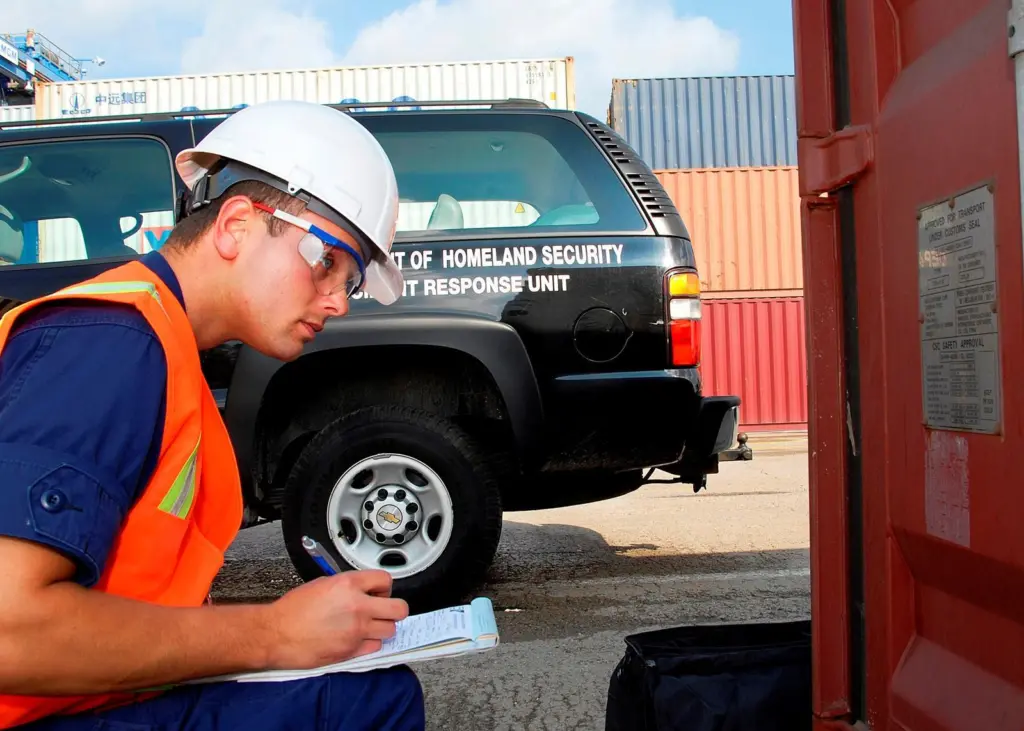
This issue of resilience – that is, the ability to resist, adapt or recover from adversity – is rising in importance as an issue and the term has been used both in the list of security missions and a national strategy for supply chain security.
But as Stephen Caldwell of the US Government Accountability Office (GAO) says, “Admittedly, ‘resilience’ is a bit abstract. Having said that, resilience is the key to an ‘all hazards’ approach, since owners and operators of maritime infrastructure do not know if the next threat will be a terrorist attack, a natural disaster, or a labour strike.”
However, while there are obvious overlaps to these challenges the two main agencies that are charged with dealing with these issues have been operating separate silos of information.
The GAO points out that these could well jigsaw together; “The Coast Guard risk models and facility inspections generally focus on individual facilities in ports. IP has risk models and aggregate inspections that focus on regional interdependencies across and among individual facilities, but IP does not focus on ports,” says Mr Caldwell.
He concludes: “Since understanding interdependencies are fundamental to improving resilience, combining the Coast Guard and IP analytic tools will put the collective port community in a better position to bounce back from any disruption.”
Related Articles
 EQUIPMENT
 EQUIPMENT