




Southampton pilots remote and eco hull cleaner
A pilot scheme has been launched for a remotely-operated, eco-friendly form of hull-cleaning technology at the UK’s Port of Southampton.
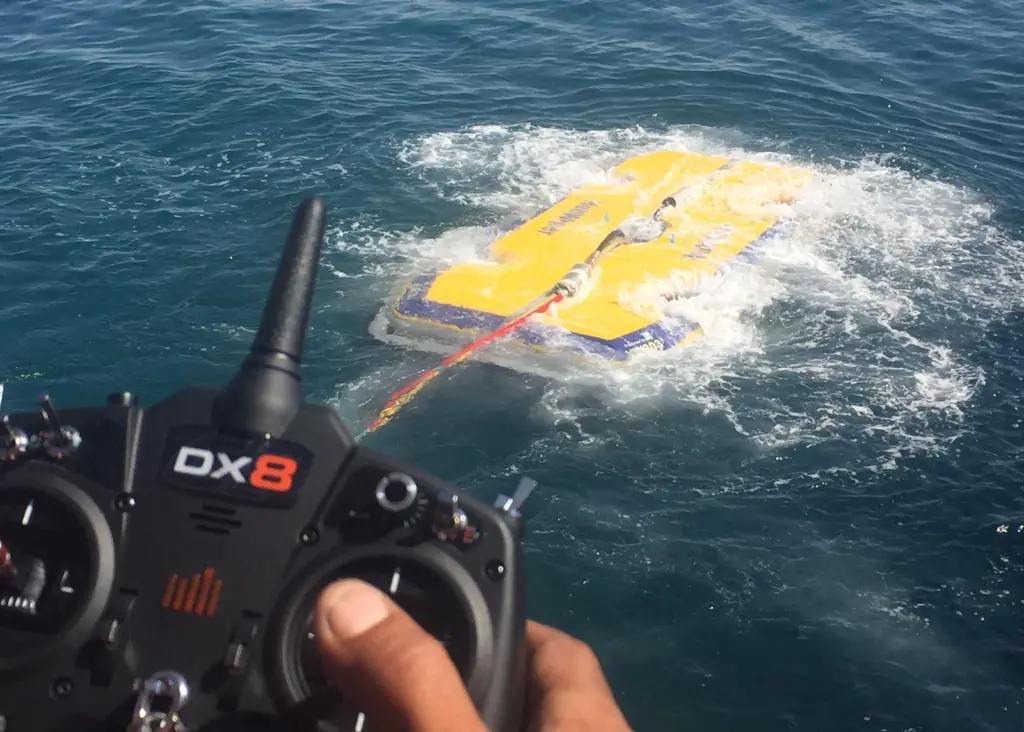
In a release, HullWiper, whose product is a remotely-operated underwater vehicle (ROV), said that tests are being undertaken as part of a pilot venture to launch the cleaner at the dock, and that the company is working to trial the system on vessels including containerships, general cargo carriers, ro-ro vessels and cruise liners.
The trials are to demonstrate the diver and brush-free product’s efficiency to harbour authority Associated British Ports (ABP) in Southampton, Simon Doran, HullWiper’s managing director, said.
HullWiper cleans using adjustable seawater jets under variable pressure to minimise the risk of damage to expensive anti-fouling coatings.
The fact that the product deploys no divers means that there is no threat to human life and that cleaning can occur day or night, in most weather conditions, while cargo operations are taking place.
According to the HullWiper company, using the ROV to remove fouling from their vessels’ hulls means that shipowners benefit from optimal performance and energy efficiency-savings while avoiding having to recoat in case of damage.
Residues and harmful materials removed during the cleaning process are collected in an onboard waste filter and disposed of on land, in an ecologically-approved way and adhering to local and regional environmental regulations, with the collection filter also lowering the threat of cross-pollination of waters with alien species.
“HullWiper provides an affordable, safe and eco-friendly alternative to traditional hull-cleaning methods,” said Mr Doran.
“Its addition to the portfolio of services available at the port will add further economical, practical and environmental advantages to Southampton.”
ABP’s head of marine projects, Captain Martin Phipps, said: “Hull-cleaning initiatives provide the opportunity to remove biofouling and non-native species from the water column while enhancing the efficiency of a vessel through the water, improving fuel economy and, importantly, reducing emissions and costs.”
Related Articles
 EQUIPMENT
 EQUIPMENT