





The future is wide open for cold ironing
Different options for shore power are growing with the rise of new technology. For example, hydrogen fuel cells may be especially suited to the low power needs of berthed box ships.
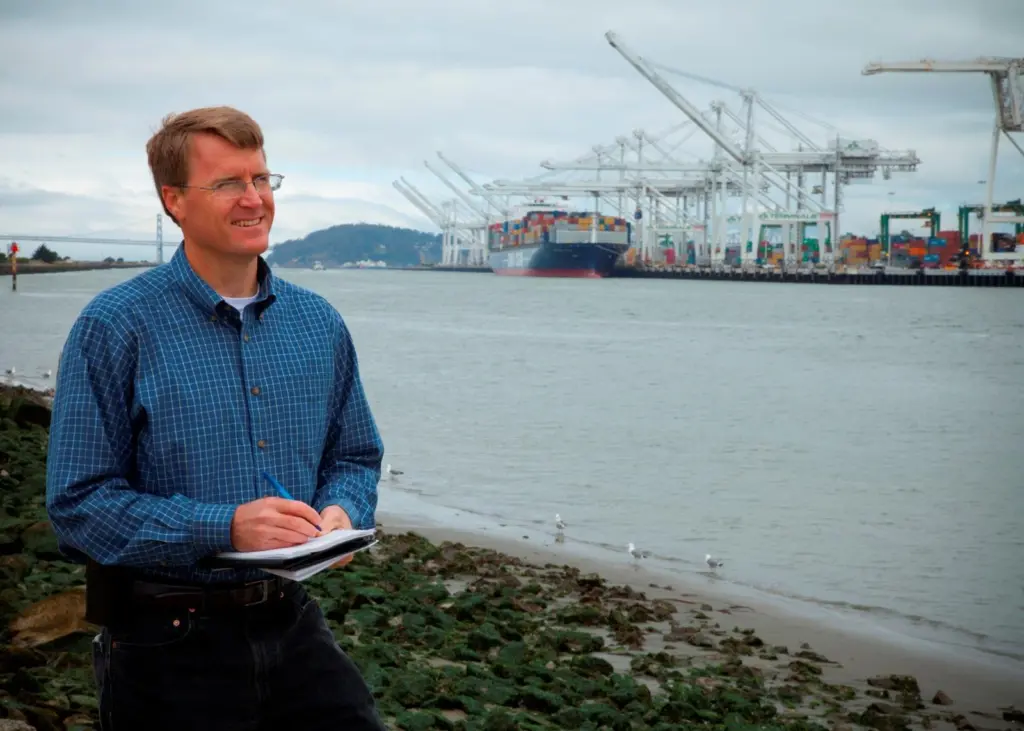
Joe Pratt of the Sandia National Laboratories in the US explains that all it would need is a flat topped barge to carry a couple of containers: one or two for the hydrogen-fuelled proton exchange membrane (PEM) fuel cells plus a couple more for the hydrogen store. This would supply a container ship with average power and run times (1.4 MW over 48 hours).
Interestingly, the Sandia study that investigated fuel cell powered cold ironing for ports in Washington showed benefits even though that state already has cheap and clean power. This is because many locations in the port do not have the required electrical capacity. “You save the cost of hardwired infrastructure and you can use it more often just by towing around to the visiting ships,” explains Mr Pratt.
However, VTP Engineering has a different take on quayside power. VTP’s ‘on dock’ cogeneration plant would consist of something like three Bergen engines running from a renewable biogas or methane feed, giving more than enough electrical energy for two large cruise ships: around 24 MW. Being right at the port it minimises power distribution losses and the engines are themselves extremely efficient even when running at low loads.
It would mean a reversal of the normal roles: a study VTP conducted with Rolls Royce for cold ironing at the Port of Venice assumed a plant running for around 4,500 hours a year, just over half the engines’ capability. The calculations showed that the excess electricity along with the recovered heat could actually satisfy much of the annual need generated in city’s historical centre.
Obviously it needs some infrastructure development but the returns on investment “would take place within a reasonable amount of time”, says VTP. It’s an interesting thought that it might give a city reason to be glad its snuggled close to a port rather than cursing it for being big and smelly.
By Stevie Knight
Related Articles
 EQUIPMENT
 EQUIPMENT