![PortStrategy[GreenPort]](https://www.portstrategy.com/wp-content/uploads/2026/09/PortStrategyGreenPort.svg)





Dover explores new opportunities
The Marine Management Organisation (MMO) has approved the UK’s Dover Harbour Board’s application for additional powers – a move that will generate new opportunities and ensure the port stays at the top of its game.
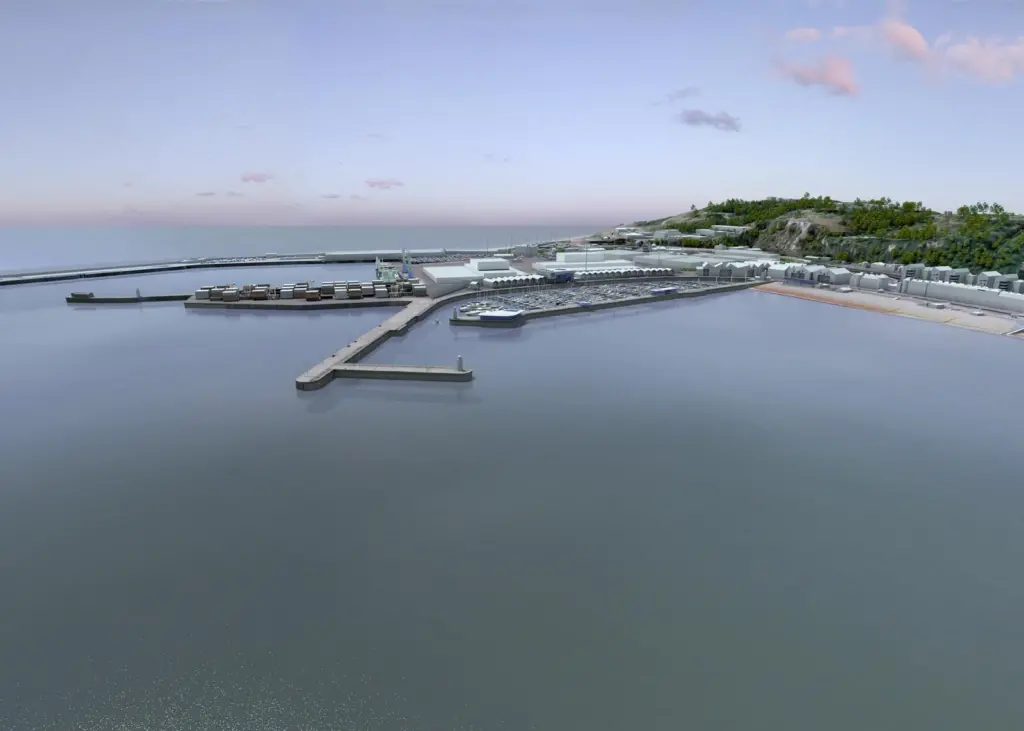
The decision from the MMO comes just fourth months after the initial application was made and means the port, which is the second busiest ferry port in Europe and the leading port in the UK, can capitalise on its key geographic location. It also follows the port’s announcement of the biggest ever single investment in Dover – the £120m Phase 1 of the Dover Western Docks Revival (DWDR) project that will see the development of a new cargo terminal and associated facilities.
“It’s vital in two ways: one for us as a port, it enables us to diversify our business more towards the fresh cargo produce business, provide added value services within the port, and enhance our competitiveness,” Tim Waggott, chief executive, Port of Dover, told Port Strategy. It will also significantly benefit our cargo customers and our core ferry customers, as well as the Dover community and the UK economy.”
Adding to the port’s successful development, it’s expecting record traffic performance of 2.4 million freight vehicles, up from 2.36m in 2007 before the recession hit. Mr Waggott told PS since the UK is a net importer, around a third of these lorries will go back to Europe empty, “so there is a huge opportunity for us to set up a distribution hub”.
“It’s something we haven’t had the facilities or space to be able to take advantage of before, but the DWDR project creates this space and protects port capacity in the long-term,” he added.
With freight traffic between Dover and Calais expected to rise by around 40% by 2030, six of the port’s ferry berths are also getting a makeover, and will be developed as double-deck berths by the end of 2015.
Elsewhere, the port is also working on a Traffic Improvement Programme (TIP) at the Eastern Docks to improve the resilience of the port operation and enhance the visual impression at the front of the port.
The Port of Dover handles up to 160km of freight in a single day as well as large amounts of tourist traffic through its eight ferry berths. The Eastern Docks also accommodates busy general cargo activities whilst the Western Docks accommodates Dover Cruise Terminal, the second busiest cruise port in the UK, and the marina.
Related Articles
 PORT & TERMINAL NEWS
 EXPANSION & DEVELOPMENT
 PORT & TERMINAL NEWS