![PortStrategy[GreenPort]](https://www.portstrategy.com/wp-content/uploads/2026/09/PortStrategyGreenPort.svg)





EFIP respond to EC inland port proposal
The European Federation of Inland Ports (EFIP) has responded to the European Commission proposal for the TEN-T and Connecting Europe Facility announced during the latter part of 2011.
EFIP believes that the proposal for a complete and integrated TEN-T network covering all regions, aiming for a balance of all transport modes taking into consideration the goals for reduction of GHG emissions, is a good one in principle.
The organisation has welcomed that this is the first time that Europe’s infrastructure policy is recognising the role of inland ports can play in enhancing the potential of multimodal transport.
But, it feels that there are still some points of the policy to be addressed.
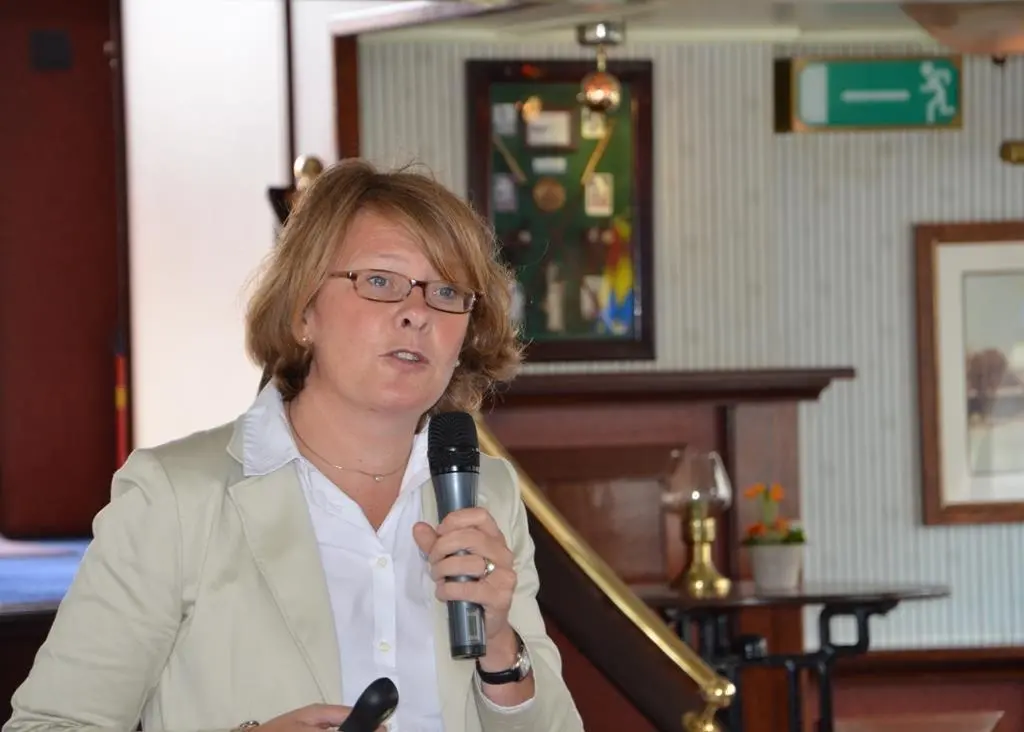
Isabelle Ryckbost, director at the European Federation of Inland Ports (EFIP), said to Port Strategy: “There are still some points to be clarified and there is room for improvement. It seems that some member states do not share the same interest in inland ports as the Commission and have not transmitted all inland ports meeting the criteria to the Commission services.”
And there are more concerns. Ms Ryckbost continued: “In terms of budget nor in terms of projects, inland port and waterway projects have not been well represented in the TEN-T policy.”
EFIP is urging the European policy makers to realise a “modal shift” in the budget spent on the different modes of transport in favour of inland ports and inland waterway projects – and it wants involvement in the governance and implementation of the multimodal corridors.
EFIP hopes the role of inland ports can be further enshrined into the TEN-T review – it wants a “TEN-T (core) port to be more than just a nice label.”
Related Articles
 PORT & TERMINAL NEWS
 EXPANSION & DEVELOPMENT
 PORT & TERMINAL NEWS