![PortStrategy[GreenPort]](https://www.portstrategy.com/wp-content/uploads/2026/09/PortStrategyGreenPort.svg)






Greek privatisation put on hold
The privatisation of Greece’s Port of Piraeus has been put on the back-burner, it was announced this week by the country’s new left-wing government.
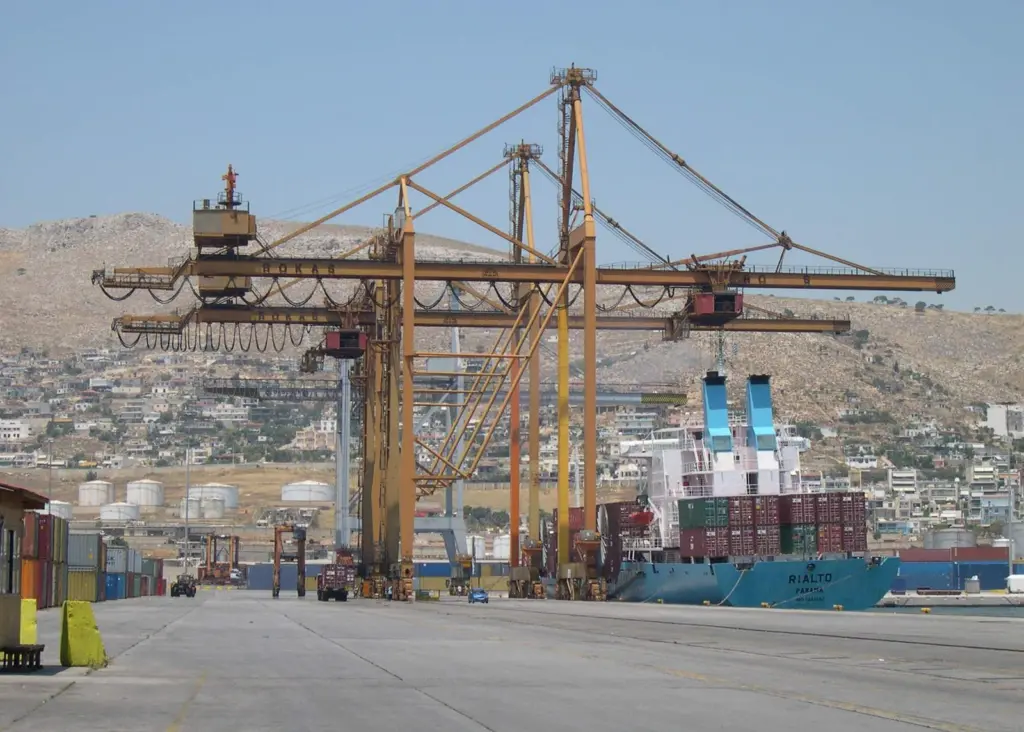
Early 2014 saw the current Greek coalition government invite investors to submit an expression of interest for the acquisition of a majority stake (67%) in the share capital of PPA.
Chinese state-run shipping company COSCO, which already has a 35-year concession to expand the two main container terminals at Piraeus, was among four international companies bidding for the stake. The privatisations were agreed with the previous conservative-led government as part of its international bailout deal. The Chinese conglomerate says this project at the port is a good example of “mutually beneficial and win-win cooperation”.
In response to the news, Foreign Ministry Spokesperson Hua Chunying, said: “We have noted the relevant report and are checking with the Greek side on that. The Chinese side believes that the Chinese government and the Greek government are willing to go hand in hand to advance practical cooperation in an all-round way and deliver benefits to the two countries and two peoples,” she added.
Cosco has outlined plans to make the port a gateway to Europe, saying the China-Europe land-sea express passage is of “strategic importance” and will “facilitate economic development in Greece”.
Despite this, Greece’s new Prime Minister, Alexis Tsipras’s Syriza party, has promised to reverse many of the reforms implemented by the previous conservative government, including a host of privatisations.
Antonis Samaras’ administration had backed the reforms as part of the conditions of a 240 billion euro ($269 billion) EU-IMF bailout.
But, the Greek government says it will observe existing contracts with COSCO, although it’s thought this latest move could prove costly when it comes to other investors, knocking confidence in the country.
Piraeus Port is one of the largest and busiest ports in Greece and in the Mediterranean Sea, handling containers, cargo and passengers.
Related Articles
 PORT & TERMINAL NEWS
 EXPANSION & DEVELOPMENT
 PORT & TERMINAL NEWS